













Lithuania’s cabinet on Wednesday approved an updated National Security Strategy, citing a deteriorating geopolitical environment and growing hybrid threats.
The strategy, the sixth since Lithuania restored independence, was presented to the government late last year and endorsed by the State Defence Council in January. It now awaits final approval by the parliament.
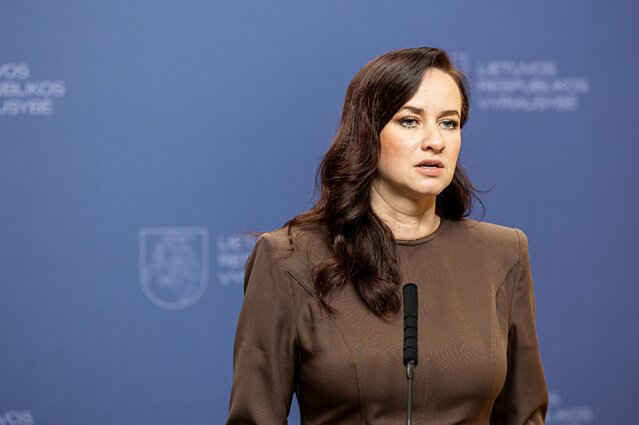
“Approval of the updated National Security Strategy is a consistent response to the changing geopolitical situation and growing threats, including hybrid attacks,” Prime Minister Inga Ruginienė said at the cabinet meeting.
“With this decision, we are not only reinforcing Lithuania’s firm commitment to NATO’s collective defence, but also clearly declaring close cooperation within the European Union and sending a clear signal to our society and allies that Lithuania’s security is and will remain our priority,” she said.
The document was revised following Russia’s full-scale invasion of Ukraine in 2022, which Lithuanian officials describe as a turning point for regional and global security.
The strategy emphasises readiness to defend the state in the event of military aggression and sets strengthening deterrence and preparedness as its core strategic goal.
It states that Lithuania and other countries in the region face an existential security threat and warns that Russia could, by 2030, develop the capabilities needed to wage a large-scale conventional war against NATO.
The updated document also highlights threats posed by Belarus and China. It describes Beijing as the main enabler of Russia’s war in Ukraine due to its role in supplying goods and dual-use products.
In addition to military risks, the strategy addresses vulnerabilities stemming from growing reliance on information and communications technologies, as well as demographic challenges such as declining birth rates, rising immigration and religious extremism.
The document identifies the armed forces as the main pillar of credible national defence and says strengthening them must remain a top priority. It calls for the development of a national military division, expansion of the active reserve, and further development of military infrastructure and training areas.
The strategy also calls for stronger intelligence and counterintelligence capabilities, enhanced civil resistance and more resilient civilian infrastructure. It sets objectives for reinforcing collective security and boosting European defence capabilities.
Deputy Defence Minister Karolis Aleksa said the draft reflects comments from the State Defence Council, including proposals to increase state fuel reserves, ensure uninterrupted communications during crises or armed conflict, strengthen public education efforts, improve coordination between military and civilian medical services, and enhance public preparedness to provide essential and first aid.
“All proposals have been coordinated and taken into account, and we propose approving the draft and submitting it to the parliament for consideration,” Aleksa said.
Lithuania’s current National Security Strategy was adopted in 2021. The document is updated periodically to reflect changes in the geopolitical environment.

Newsletter
Every Friday morning.