













Over the past decade, the structure of Lithuania’s manufacturing sector has changed significantly. High-technology industries have expanded, while low-technology sectors have begun to plateau. Executives at some of the fastest-growing companies told LRT.lt that, if Lithuania is to continue narrowing the gap in living standards with Western countries, it must strengthen its high-tech base and invest in modernisation.
“We constantly monitor our organisation’s efficiency indicators – they clearly show that by creating high value-added technologies we can pay salaries that are competitive in Europe. For Lithuania, which has limited natural resources, strengthening the technology industry would be a strategically sound choice,” said Julius Švagždys, head of corporate marketing at Internet of Things device company Teltonika.
Meanwhile, Žilvinas Lenktaitis, chief executive of meat processing company Biovela-Utenos mėsa, noted that even modern traditional industries now rely on automation, digitalisation and technological innovation.
“For Lithuania’s economy, a balanced structure is essential. Both the high-tech sector and modernised manufacturing must work together to increase overall productivity and resilience to external shocks,” he said.
High technology expanded rapidly
Since 2014, Lithuania’s high-technology industries have expanded nearly fivefold, while medium- to high-technology sectors have more than doubled in size, according to Laura Mociūnaitė, chief economist at the Bank of Lithuania. Over the same period, lower-technology industries have grown far more slowly and have recently stagnated.
“As higher value-added production grows faster, its share in the overall manufacturing structure is increasing: the combined share of high- and medium-to-high-technology industries rose from 18.2% in 2014 to nearly a quarter – 22.7% – in 2025,” she said.
Crucially, these sectors generate a disproportionate share of profits. In 2024, high- and medium-to-high-technology industries produced around 23% of total manufacturing revenues but earned roughly 47% of overall profits, underlining the stronger productivity and profitability of more technologically intensive companies.

Low-technology firms also post strong growth
The economist identified eight of the fastest-growing manufacturing companies in Lithuania between 2014 and 2024: Freda, Teltonika, Hella Lithuania, Neo Group, Schmitz Cargobull Baltic, Biovela-Utenos mėsa, Orlen Lietuva and Thermo Fisher Scientific Baltics.
Mociūnaitė noted that the majority of these do not belong to the highest-technology segment. This suggests that growth is not limited to high-tech industries alone, but is also driven by automation, digitalisation and the adoption of advanced technologies across a wide range of sectors.
“Individual companies can grow rapidly even in contracting or stagnant sectors if they manage risks better, seize opportunities, find new markets and offer higher-quality, more in-demand products than competitors,” she said.
Despite the rising role of higher value-added activities, lower-technology industries still account for the majority of Lithuania’s manufacturing structure, and high-technology firms make up a relatively small share among the largest companies by sales.
She also underlined that growth should be interpreted carefully, as identical increases in turnover can represent very different rates of expansion depending on a company’s size.
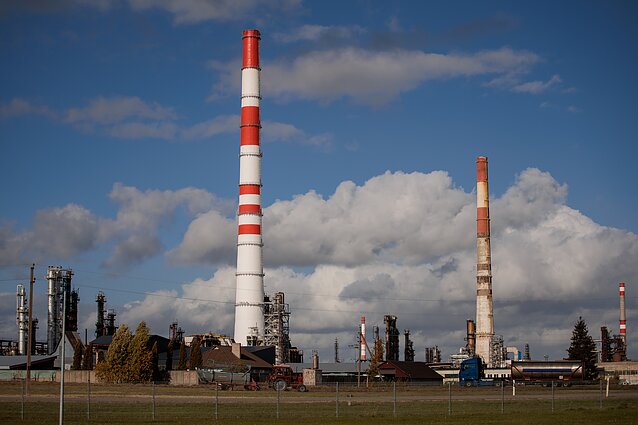
According to the Bank of Lithuania representative, Orlen Lietuva remains the largest manufacturing company by revenue and is classified within the medium- and low-technology group.
Large-scale investment required
Vilius Šemeta, director of strategy, development and technology at Orlen Lietuva, said it was crucial for Lithuania to continue expanding its medium- and high-technology industries.
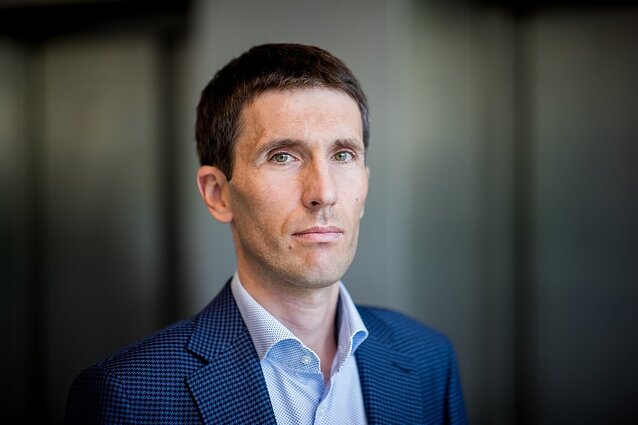
“The more we produce here, the faster our gross domestic product will grow and the more our negative trade balance will shrink. We are a relatively small country with limited natural resources, but we have strong conditions for innovation and are able to train highly qualified specialists. High value-added industries should continue to expand,” he said.
He also stressed that competitiveness in capital-intensive industries such as oil refining depends on sustained investment, innovation and workforce skills.
For Teltonika, talented employees have been key to growth. Švagždys said the group’s rise to a high-tech leader was driven by a focus on value-creating products and well-structured management processes that allow talent to flourish.
At the same time, talent, well-structured management process that allows the talent to flourish and a focus on value-creating products have been central to the rapid rise of Teltonika, which economists identify as the main engine of Lithuania’s high-tech expansion, accounting for roughly 41% of the sector’s growth over the past decade.
Pandemic boost
Growth in medium- and high-technology industries was led by Thermo Fisher Scientific Baltics, which accounted for more than a quarter of the sector’s expansion between 2014 and 2024 and increased its revenues nearly tenfold over the decade.
In 2024, Thermo Fisher Scientific Baltics was also the most profitable manufacturing company, earning nearly a quarter of total sector profits.

Chief executive and board chairman Justas Plankis said rapid growth over the past decade was largely driven by the arrival in 2010 of global leader Thermo Fisher Scientific as a strategic investor.
“This ensured long-term investment in the development and production of high value-added biotechnology products at the Vilnius site. We've systematically expanded our life sciences portfolio with a focus on global markets, while steadily strengthening research and experimental development (R&D) capacity in Lithuania through sustained investment in infrastructure and a highly skilled workforce,” he said.
The company also played a key role during the COVID-19 pandemic by supplying reagents, diagnostic kits and critical materials for mRNA vaccine manufacturers, highlighting the strategic importance of its Lithuanian operations within global life sciences value chains, suggested Plankis.
He also suggested that the expansion of high-technology industry is essential for Lithuania’s long-term, sustainable economic growth.
Progress not limited to high tech
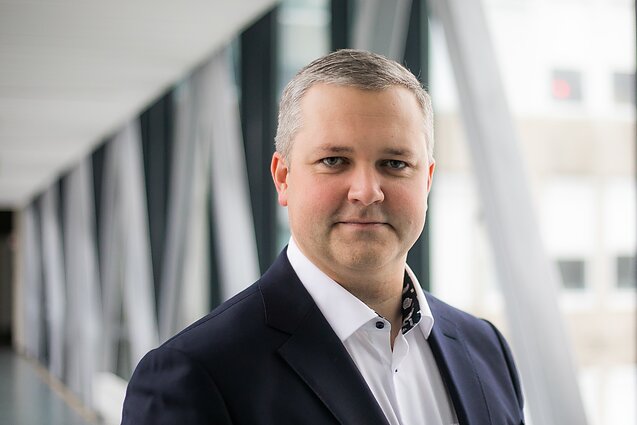
Žilvinas Lenktaitis, chief executive of Biovela-Utenos mėsa, said progress should not be equated solely with the expansion of high-technology sectors.
“High-tech industries are characterised by greater capital and operational mobility – investments can move relatively quickly to where conditions become more favourable or safer in the context of geopolitical uncertainty.
By contrast, manufacturing relies on long-term investments in infrastructure, equipment and technology, and is therefore closely tied to the local economy. It ensures stable regional employment, creates a steady export base and reduces the risks associated with economic cycles,” he said.
The company’s growth over the past decade, he added, has been driven by consistent investment in modernisation, including automation, digitalisation and sustainability projects, enabling it to remain competitive despite rising costs.
Targeted infrastructure and innovation projects have also been key: a new slaughter line in Utena, sustainability initiatives including a solar power installation, reduced plastic use in packaging, and the introduction of antibiotic-free Lithuanian pork with advanced fresh-meat packaging solutions.
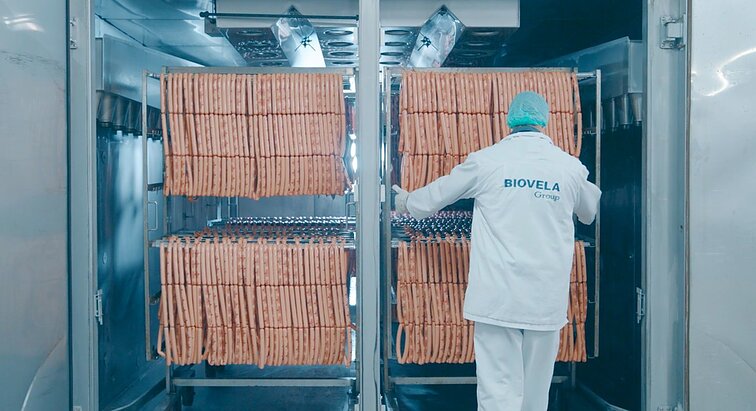
These measures strengthened the company’s market position and allowed it to compete not only on price, but on quality and sustainability as well.
Investment drives expansion
Ruslanas Radajevas, chief executive of Neo Group, also stressed that rapid growth is only possible through investment.
“A €50m investment in 2018 in a new PET production line in the Klaipėda Free Economic Zone, which increased capacity by 50% to 480,000 tonnes per year, created new jobs, and strengthened the company’s export position,” he pointed out.

Radajevas also said that growth was also supported by a patented chemical recycling technology allowing up to 30% recycled raw materials in production, as well as investment in renewable energy and efficiency projects.
According to him, Lithuania already demonstrates one of the fastest growth rates in the EU, and the next step should be an even stronger focus on higher-technology industries, supported by targeted state backing for automation and robotics.
Working with Ikea
In its latest management report, Freda said it invested around €2.5m in 2024 to expand operations, focusing on productivity, new technologies, process optimisation and quality.

The Kaunas-based company’s strategy centres on dynamic development alongside Swedish furniture retail giant Ikea.
Meanwhile, anothed Kaunas-based company Hella Lithuania said it aimed to use at least 75% of its production line capacity in 2024, reflecting modest annual growth across EU automotive platforms, including electric vehicles. However, it cautioned that prospects for 2025 remain uncertain due to volatility in key markets.
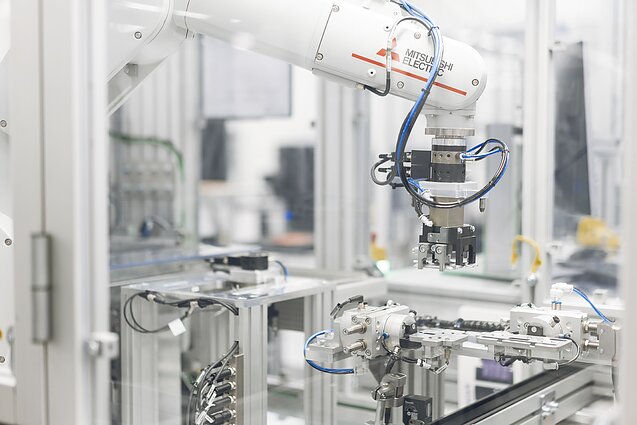
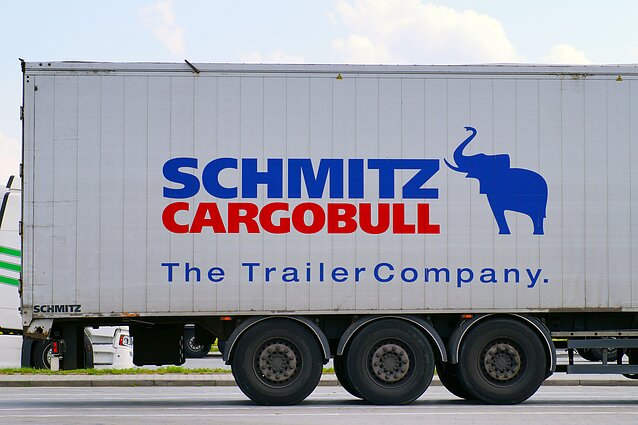
Last but not least, Schmitz Cargobull Baltic, based in Panevėžys, has invested in new assembly-line equipment and production technologies in 2024-2025, aiming to increase capacity in the manufacture of truck bodies, trailers and semi-trailers.

Newsletter
Every Friday morning.