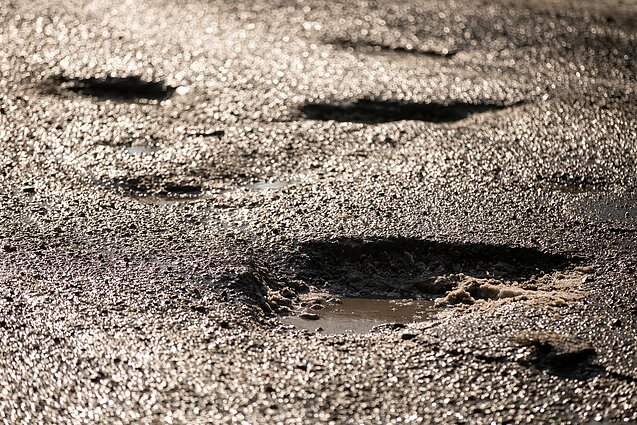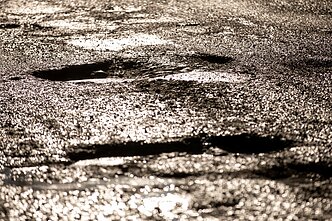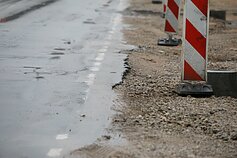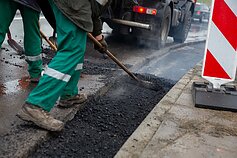















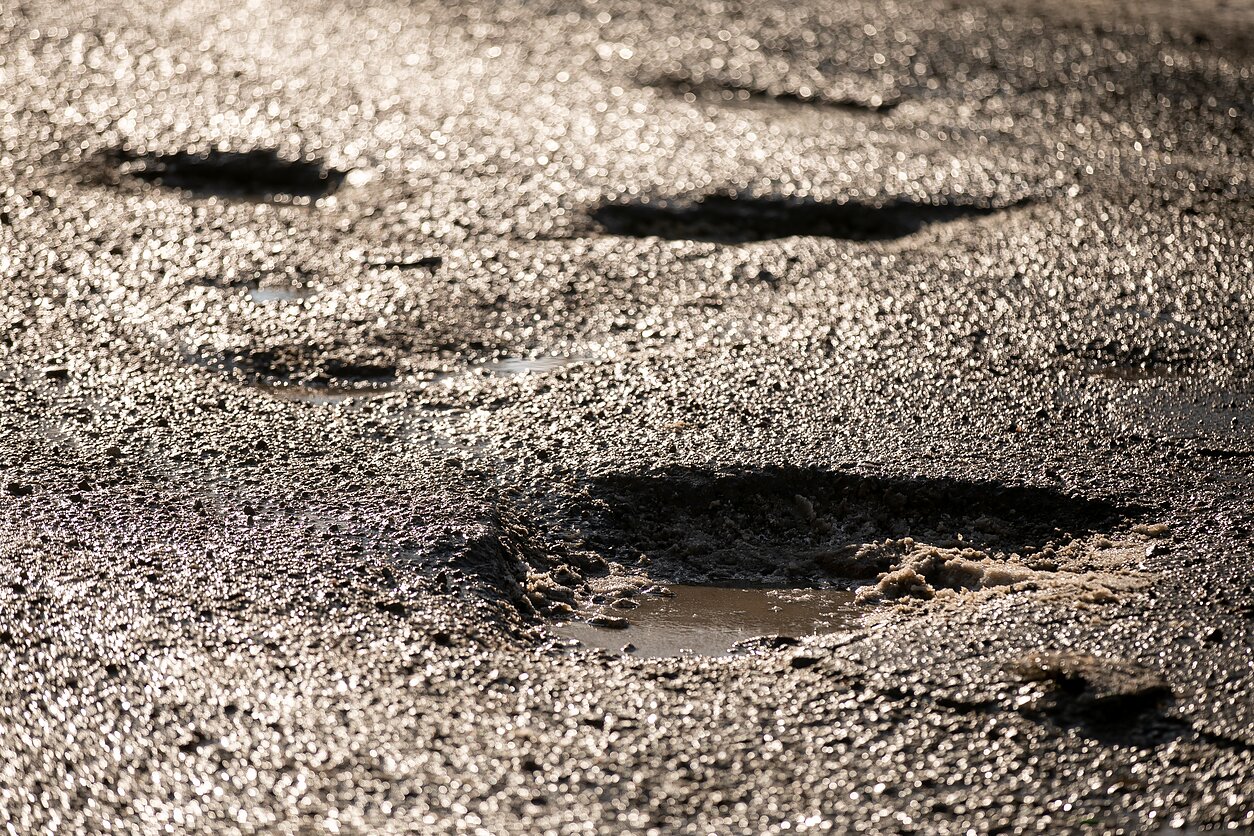
For some, the first sign of spring is blooming snowdrops. For others, it is potholes opening up in the roads. Even before the end of February, their number is increasing – including on Lithuania’s main highways – with some drivers already reporting damage to their cars.
Road maintenance officials say the spring pothole season has begun, warning that the worst is yet to come.
Pothole season under way
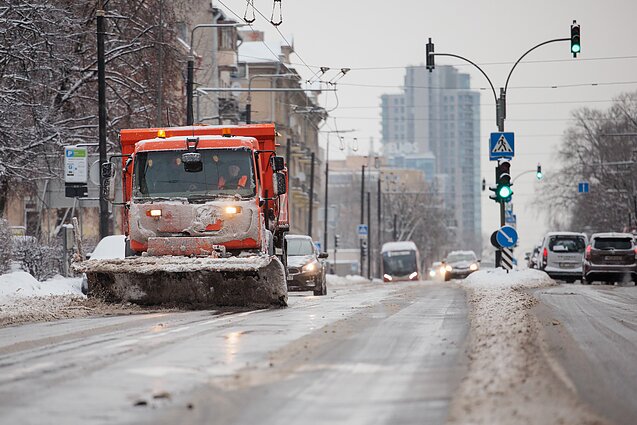
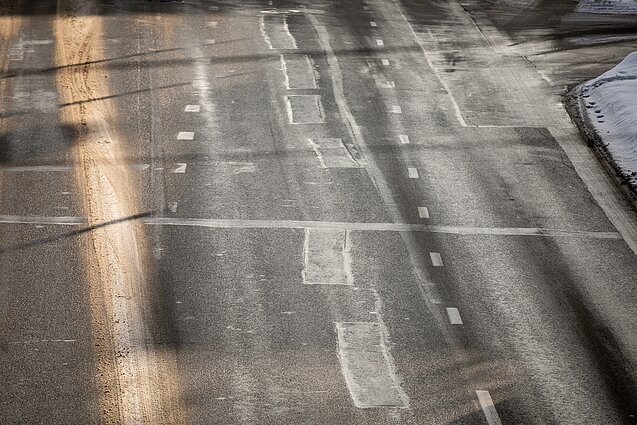
In recent weeks, some city streets have begun to resemble slalom courses, as drivers are forced to swerve around growing numbers of potholes. Road users report that damage is not limited to busy urban streets but is also appearing on major national routes, including the A1 Vilnius–Kaunas–Klaipėda motorway.
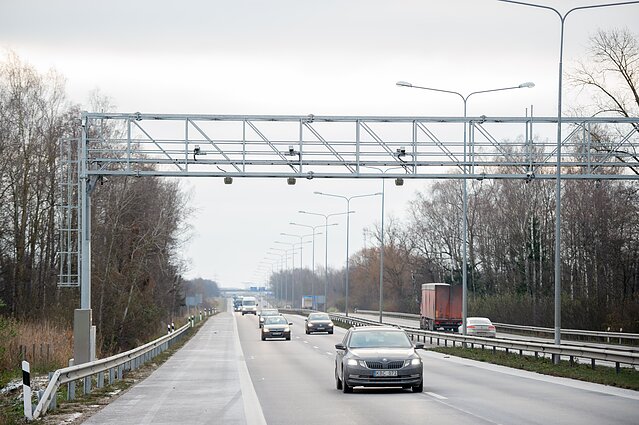
Posts on social media describe cars being damaged after hitting newly formed potholes, resulting in unexpected repair costs and inconvenience. The state-owned road maintenance company Kelių priežiūra acknowledged that conditions have deteriorated in recent weeks.
It said the situation had been caused by rapidly changing weather conditions. Before the severe cold set in, roads were heavily affected by moisture from freezing rain, sleet and rainfall. Temperatures then dropped sharply to -20C and below.
Moisture trapped in cracks and within the road structure expands as it freezes, accelerating the breakdown of the surface. Even without repeated freeze–thaw cycles, a single intense freeze following a wet period can trigger significant deformation.
Cracks on Lithuania’s main motorway
According to Kelių priežiūra, damage has been recorded across various regions, but is most pronounced on heavily trafficked sections, particularly motorways where surfaces endure the greatest strain.
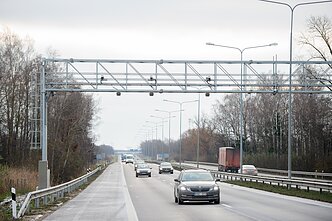
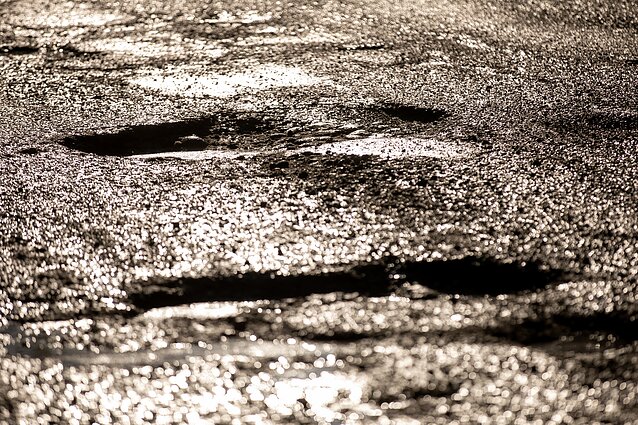
The company confirmed that on parts of the A1 Vilnius–Kaunas–Klaipėda motorway – especially in the western section – crews have identified not only isolated potholes but also transverse ridges and surface unevenness.
Such deformations are often linked to frost effects and the reaction of structural layers to temperature fluctuations and heavy freight traffic. These sections are being monitored in cooperation with the road owner, Via Lietuva.
Warning signs and temporary traffic management measures are being introduced where necessary, with technical solutions selected according to conditions.
The worst is still ahead
The problem is becoming more visible not only on national roads but also on city streets. In Vilnius, the municipal maintenance company Grinda said it has not yet seen a sharp rise in complaints, but expects numbers to increase as temperatures rise.
“Surface damage occurs mainly on older road sections and in areas subject to the heaviest traffic loads. [...] The issue of newly formed potholes becomes relevant every spring. We are already preparing intensively and planning the upcoming works so that, as soon as temperatures rise, we can promptly and systematically repair all emerging defects,” said Martynas Pupininkas, representative of Grinda.

According to Pupininkas, so far this year, Grinda has carried out 111 emergency repairs using more than two tonnes of cold asphalt. However, more substantial and durable repairs will only be possible once overnight temperatures consistently reach at least +5C, frost leaves the ground and surfaces dry out.
Similarly, Kelių priežiūra said fluctuating winter conditions have limited more permanent repair works on state roads. Priority is being given to potholes posing the greatest threat to road safety, using temporary materials such as cold asphalt until warmer conditions allow for long-term solutions.
Insurers report growing claims
Lithuania’s largest insurer, Lietuvos draudimas, says it has already registered nearly 50 pothole-related vehicle damage claims in the first seven weeks of the year, with €32,000 reserved for compensation.
Last year, the company paid out almost €500,000 in total for pothole-related damage, with the average claim amounting to about €1,000. The largest single payout reached nearly €20,000.
Most incidents involve punctured tyres or damaged rims, but impacts can also affect engine protection, suspension systems and other chassis components. The scale of damage often depends on the vehicle’s speed at the moment of impact.
The majority of claims are recorded in Lithuania’s two largest cities, Vilnius and Kaunas. Although Vilnius has a larger population, the number of pothole-related incidents in both cities is similar.
By car brand, BMW vehicles account for the highest number of claims, followed by Mercedes-Benz, with Volkswagen and Audi also among the most affected.
New potholes pose the greatest risk
Deividas Gubinskis, a representative of a Vilnius-based car repair service, says newly formed potholes are particularly dangerous because they tend to have sharp edges that can severely damage or even destroy tyres, especially worn ones.
“Tyres ensure a car’s grip on the road surface, so safety depends directly on their quality and condition. Insufficient tread depth or excessive wear makes tyres more vulnerable to impacts from potholes. As a result, drivers may later face more serious repair costs – from suspension components to repairs to the entire front end. It is therefore worth investing in quality tyres and checking them regularly,” Gubinskis said.
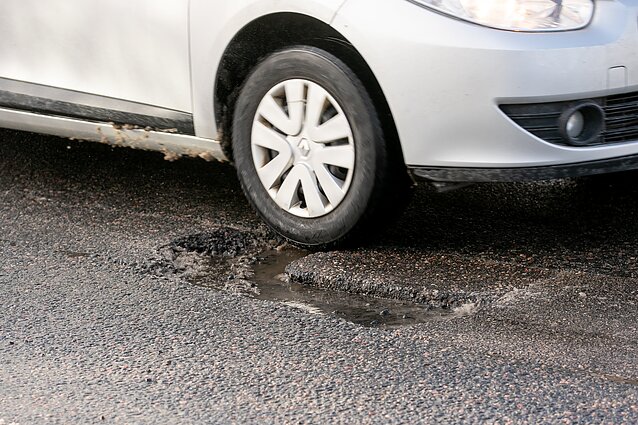
If a driver cannot avoid a pothole, he advises against sudden braking or acceleration immediately before impact, as this can increase strain on the front suspension and wheels.
Instead, drivers should maintain steady control and hold the steering wheel firmly. If a strong impact is followed by vibration or the car pulling to one side, it is advisable to stop safely and inspect the vehicle, including checking tyre pressure indicators where available.

Newsletter
Every Friday morning.