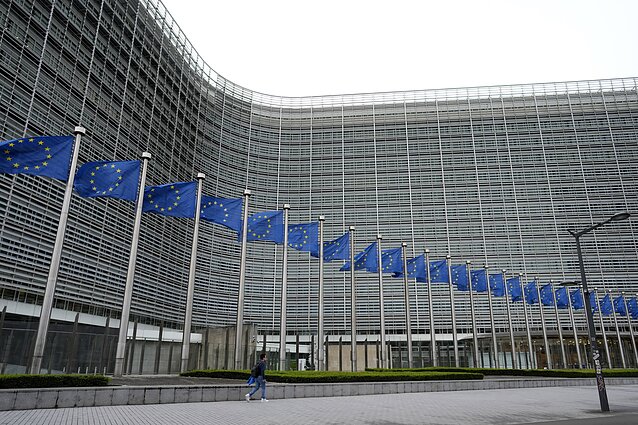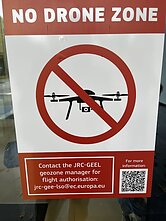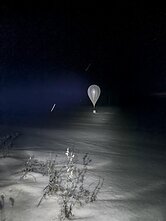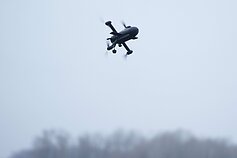
















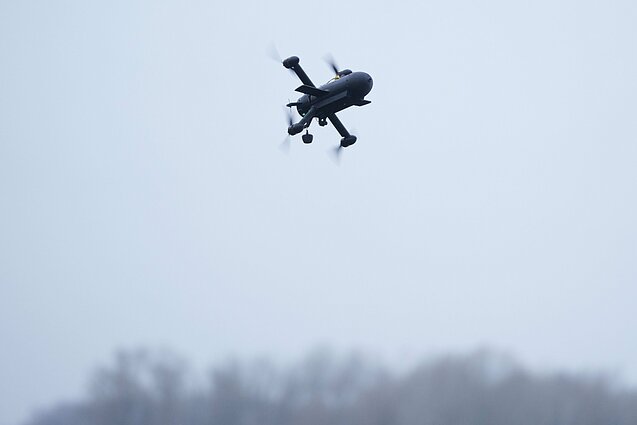
The European Commission on Wednesday unveiled an action plan to tackle drones and boost related technologies. The plan also addresses meteorological balloons, which have repeatedly disrupted operations at Lithuanian airports in recent months. Vilnius has described the smuggling balloons as hybrid attacks.
According to the Commission, the Drone Action Plan aims to improve preparedness, enhance detection capabilities, coordinate responses and strengthen the EU’s defence readiness. It proposes boosting innovation and cooperation between civilian and military structures, reinforcing counter-drone capacities and introducing a Drone Security Package to update existing rules on civilian drones.
The Commission also intends to explore the use of 5G networks to detect drones and will invite businesses to put forward technological solutions.
“We are focusing on three pillars: investment, innovation and coordination across policy areas,” European Commissioner for Home Affairs Magnus Brunner told a press conference in Strasbourg.
“In terms of investment, we are mobilising €400m this year to support member states in purchasing drones and counter-drone equipment. [...] It is also a matter of competitiveness, which is why we will open a new counter-drone competence centre in 2027. We will provide public funding for innovation so that this industry can grow and deliver solutions more quickly.
“When it comes to coordination, today we are announcing an EU drone incident platform that will allow authorities to detect unusual activity and respond more rapidly.”
Alongside the plan, the Commission intends to register all drones operating within the EU and create a common EU-wide register.
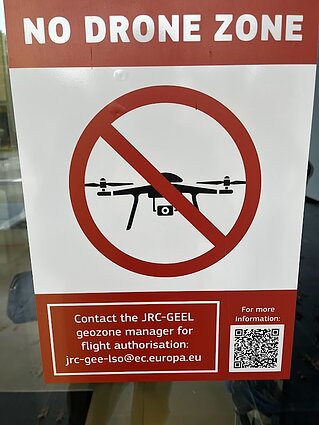
“The idea is simple: no drone weighing more than 100 grams should take off unless it is registered,” said Transport Commissioner Apostolos Tzitzikostas, stressing that the measure is aimed at improving safety. He added that recreational drone users have nothing to fear.
Although the action plan is primarily focused on drones and counter-drone systems, it also addresses high-altitude balloons – an issue that has posed significant challenges for Lithuania. The Commission plans to issue guidance to operators, establish a working group and support member states in countering high-altitude threats.

“While this action plan mainly concerns drones and counter-drone capabilities, we are also taking action against these balloons, as we see this as a serious hybrid operation,” said Henna Virkkunen, the Commission’s Executive Vice-President responsible for tech sovereignty, security and democracy, responding to a question from LRT.
“We are proposing a hackathon for innovators and start-ups to develop technologies capable of detecting and neutralising these balloons. It is a major challenge – they fly very high and very fast and pose serious risks, particularly in Lithuania, as we have seen.”
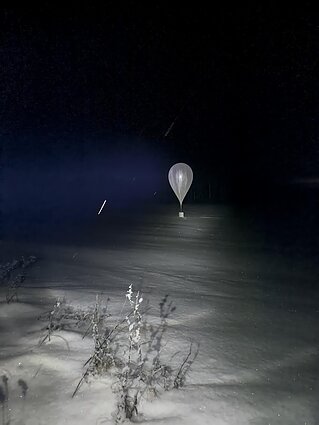
She added that the Commission stands in solidarity with Lithuania. The balloon-focused hackathon is expected to take place in the second quarter of this year.
Last year, Lithuania’s Ministry of Economy and Innovation offered €1m for proposals on innovative ways to combat cigarette-smuggling balloons from Belarus and counter drone-related threats. It received 35 applications.

Newsletter
Every Friday morning.