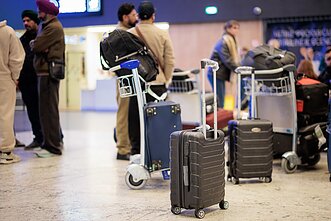
















Disruptions caused by contraband balloons last autumn affected Lithuania’s tourism sector, but charter travel from the country continued to grow, with more travellers opting for package flights despite increased competition from neighbouring airports, the head of Lithuania’s tourism industry said Tuesday.
Žydrė Gavelienė, president of the Lithuanian Tourism Chamber, said the number of travellers flying on charter flights from Lithuania rose 9% last year to about 954,000, up from 873,000 in 2023. The charter flight market itself grew by roughly 10%.
“Last year we saw stable growth. Nearly one million travellers used charter flights through Lithuanian airports,” Gavelienė, who also heads travel agency Estravel Vilnius and the National Tourism Business Association, told reporters. “Despite strong competition, charter travel from Lithuania increased by about 10%.”
She said not all Lithuanians chose to depart from domestic airports, with many opting to fly from Riga or Warsaw instead. During school holiday periods, travelling from neighbouring countries can be 10% to 15% cheaper, she said. Others chose foreign airports to avoid the risk of flight disruptions linked to balloon-related airspace closures.

“The balloon crisis affected the tourism sector, but we overcame the challenge,” Gavelienė said. “We had faced similar situations during the Covid-19 pandemic and at the start of the war in Ukraine, so we already knew how to respond.”
She said a prolonged balloon crisis would have had the greatest impact on charter flights, as most depart before 06:00 in the morning and return late at night. Gavelienė estimated that without the disruptions, Vilnius Airport could have handled about 3 percentage points more travellers.
Despite geopolitical tensions worldwide, Lithuanians have not reduced travel, she said. The average trip cost last year was about 900 euros, rising roughly 10% year-on-year.
“In the European context, travel prices increased only slightly, largely because of intense competition,” she said.
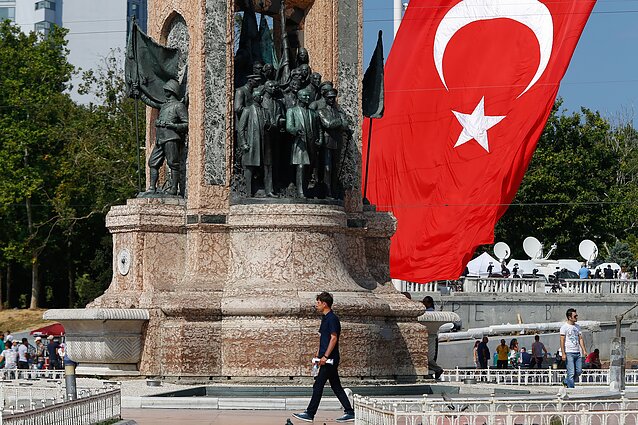
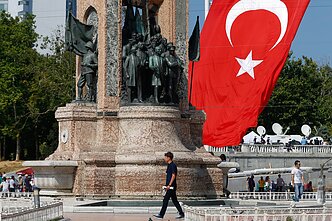
The most popular destinations last year included Turkey, Montenegro, Bulgaria, Egypt and the Greek islands. Gavelienė noted that travel demand was strongest in the shoulder seasons – May, September and October – rather than during peak summer months.
“In summer, about 100,000 people travelled per month, while in the shoulder seasons monthly numbers ranged from 120,000 to 170,000,” she said.
According to Lithuanian Airports, the airport operator handled 7.16 million passengers last year, an 8% increase from 2024. Vilnius Airport accounted for 5.11 million travellers, up 6% year-on-year.

Newsletter
Every Friday morning.