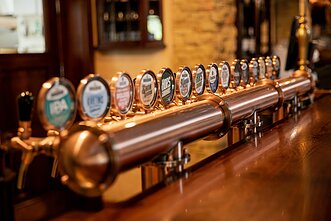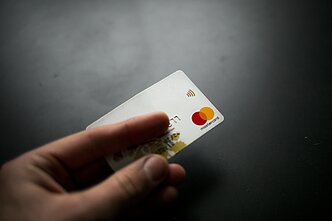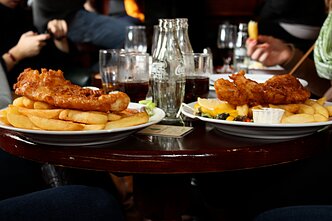








Lithuanians are leaving smaller tips in restaurants and bars than in previous years, as cash payments decline and card transactions become more common, industry experts and economists say.
Social media discussions among restaurant workers reveal wide variations in tipping. Some report earning as little as €20 on slow days, while others can collect €100 or more during busy weekends or special events. Banquets and private events often yield the highest tips, with one worker noting earning €450 during a 19-hour shift.
Seasonal fluctuations also play a role, with tips generally higher during holidays and at the start of the month, when many receive salaries.
Aurimas Zimnickas, head of gastrobar chain Plus plus plus, said customers still leave tips, but amounts are smaller than before. Tips in the chain are recorded through the company’s accounting system and paid to employees along with salaries, with taxes deducted similarly to wages.
Zimnickas noted that card payments now make up roughly 75% of transactions, compared to 50% in 2016, reducing opportunities for cash tips.
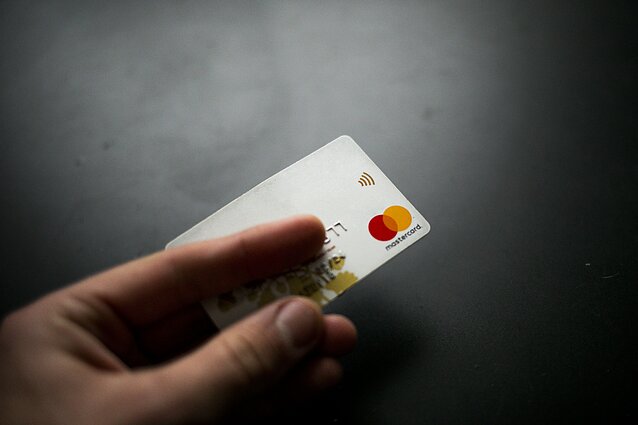
Vidmantas Čičelis, manager of Vilnius-based Local Pub, agreed that cash tips are decreasing as digital payments become more widespread. His bar allows patrons to add tips to card payments, which are later declared and paid to staff through company procedures.
However, Čičelis criticised the complexity of the tipping tax system, noting that tips can be taxed either as wages or as other income, depending on the method of collection, creating inconsistencies and extra administrative work.

Economic factors also influence tipping. Žygimantas Mauricas, chief economist at Luminor Bank, said Lithuania’s tipping culture, historically similar to the United States, is now converging with mainland Europe, where leaving tips is less common.
Rising prices, inflation and higher restaurant wages have reduced the relative importance of tips in employees’ income. Mauricas also noted the increasing popularity of fast-food outlets, where customers are less likely to leave additional gratuities.

Typically, tips in gastrobar chains average €1–2, Zimnickas said. Amounts tend to rise slightly during festive periods or at the start of the month when people have more disposable income.
Tipping is subject to taxation in Lithuania. According to Rasa Virvilienė, director of the Legal Department at the State Tax Inspectorate (VMI), tips collected through the company’s accounting system or electronically are treated as wages and taxed at the standard 20% income tax rate, with social security and health contributions applied.
Tips received directly in cash or via third-party payment systems are taxed as other income at 15%, and employees are responsible for declaring and paying these amounts.

Newsletter
Every Friday morning.