















Lithuania’s birth rate is declining rapidly each year, particularly in regional areas, with deaths now outnumbering births by roughly two to one, according to official statistics. Despite efforts by some municipalities to boost births with generous financial incentives, the country’s demographic indicators remain among the worst in the European Union, raising concerns about long-term economic costs and even national security.
Economists warn that the shrinking population will strain public finances, as health care and education institutions will still need to be maintained even with fewer residents. The decline is also expected to reduce the pool of future military recruits.
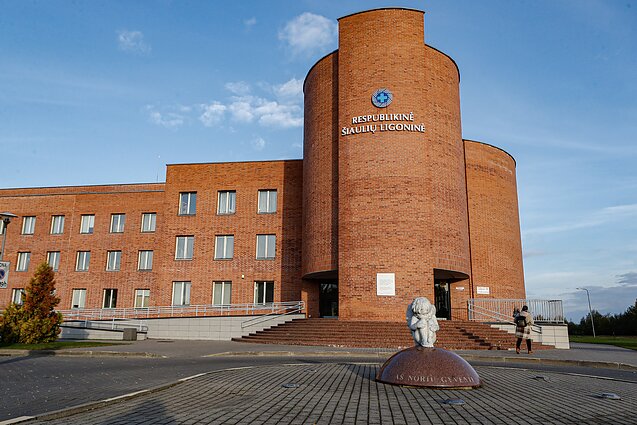
In the northern town of Šiauliai, local authorities continued a long-standing tradition of welcoming the first newborn of the year. A baby boy was born at the city’s Women and Children’s Clinic on January 1. Due to a flu outbreak, visitors were barred from the ward, though an exception was made for the mayor.
The municipality provides a baby gift package to each family, but such ceremonies have become increasingly rare. Over the past decade, the number of births in Šiauliai – a town of over 110,000 people – has nearly halved, falling from about 1,100 a year to around 600.
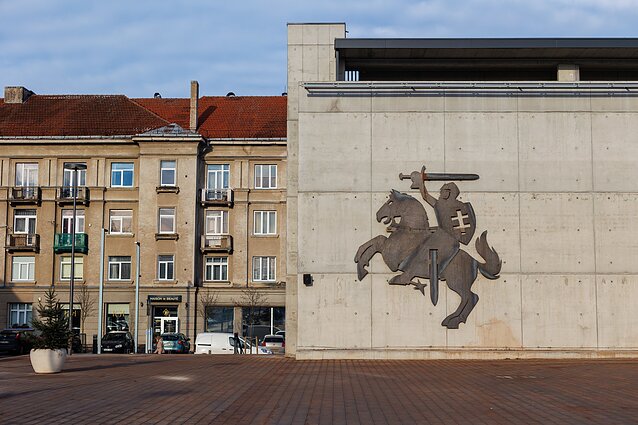
“It’s a pleasure to welcome the first newborn – it’s symbolic, it’s attention to the family and the child,” Šiauliai Mayor Artūras Visockas said. “We know very well that if there are no children, there will be no city. We clearly face birth-rate problems, and showing sincere attention is the right thing to do.”
Women from across the region travel to Šiauliai to give birth, making the arrival of just one newborn on January 1 a sign of the worsening demographic situation. Last year, 1,082 babies were born in the town – 68 fewer than the year before.
“Women are giving birth at an older age, and families more often choose to have only one or two children,” said Monika Stasiūnaitė, acting head of the Women and Children’s Clinic. “This problem is probably present throughout Lithuania.”
Parents who welcomed babies around the New Year said financial support is helpful but not decisive.
“For most people, financial matters are important, but in reality it’s the desire to have a child,” said one Šiauliai resident.
“There’s no single incentive – financial or otherwise – the most important thing is that the child comes into the family with love,” another local resident told LRT TV.
Some municipalities are offering larger cash benefits. In the Radviliškis district, families have received 1,500 euros for each newborn since last year. Mayor Kazimieras Račkauskis said the measure has had some effect, with several more births recorded.

“In 2025, three more children were born,” Račkauskis said. “Maybe it’s not because of the allowance – people don’t have children just for money – but the effort to help young families feel secure may contribute somewhat.”
Nationwide, the birth rate has fallen by about one-third over the past decade. Economist Algirdas Bartkus said population decline in the regions will still require maintaining hospitals and schools, driving up costs.
“Then comes the issue of kindergartens, later schools, and eventually the army,” Bartkus said. “That means there simply won’t be enough mobilisation resources.”
According to statistics, Lithuania records about 20,000 more deaths than births each year, leaving the country with one of the lowest birth rates in the EU and mounting concerns about labour shortages and national defence in the decades ahead.

Newsletter
Every Friday morning.