













"Maybe Christmas, he thought, doesn't come from a store. Maybe Christmas... perhaps... means a little bit more," the line comes from How the Grinch Stole Christmas! by the American children’s author Theodor Seuss Geisel, first published in 1957. Many know the tale from the popular film adaptations, not the book itself.
Although Geisel criticised social materialism and Christmas as its embodiment as early as the 1950s, his message remains relevant today, when consumerism often overshadows the meaning of the holiday and gifts, discounts and endless queues in shops have become synonymous with Christmas.
A golden season for retail
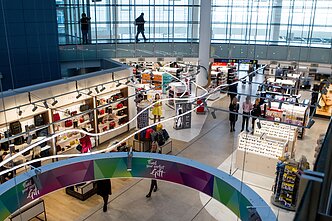
The Christmas period is one of the most important seasons for retail, particularly in the United States, often seen as a barometer of global consumer trends.
Although the pace of spending has begun to slow, overall retail volumes continue to rise. According to the National Retail Federation (NRF), US holiday retail sales in 2025 are expected to exceed one trillion dollars for the first time, an increase of 3.7–4.2% compared with 2024.
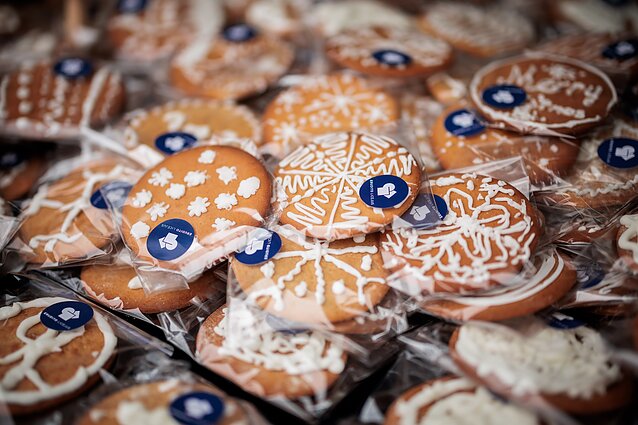
What has changed is not so much what people buy, but how they buy it. As online shopping now makes up an ever larger share of festive sales, the trend is clear: commerce is not declining, but changing shape, increasingly moving into the digital space.
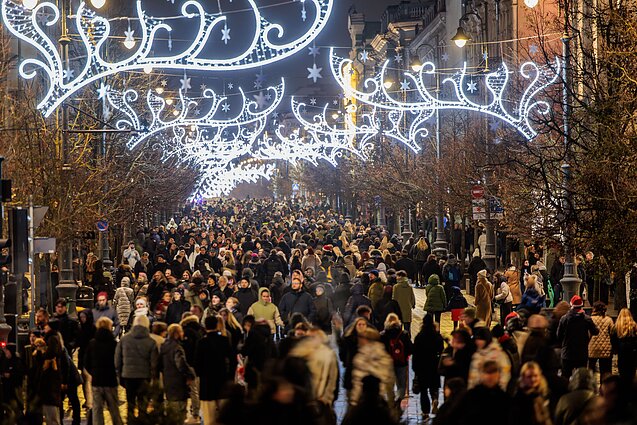
These trends are not unique to the United States. Intense Christmas shopping is becoming increasingly noticeable in Lithuania as well. Although the market is far smaller, the rhythm and mood of consumption during the festive period are becoming strikingly similar, particularly with the growth of e-commerce.
Data from 2025 show that online retail in Lithuania continues to grow steadily, with the festive season remaining one of the busiest times of the year. Major online platforms report increased customer traffic and higher order volumes, while more people are choosing to buy Christmas gifts online.
These figures matter not only in themselves, but also because they reflect broader changes visible in everyday life – conversations among colleagues about presents, busier shops, and couriers rushing to deliver last-minute parcels. All this suggests that Christmas today is not only a religious or family celebration, but also a social phenomenon shaped by consumer culture.
American sociologist John Schmalzbauer argues that commercial systems such as advertising, gift-giving and popular media have been the main forces shaping modern Christmas. Alongside sales campaigns, they have helped turn it into a holiday that brings families and communities together around a shared table.
From Christian feast to secular celebration
Christmas is, by its origins, a purely Christian festival, marking the birth of Jesus Christ. However, the New Testament does not specify an exact date.
The first recorded attribution of December 25 as the date of Jesus’s birth comes from Sextus Julius Africanus in 221 AD. A widely cited explanation is that the date coincided with the pagan festival dies solis invicti nati (the birthday of the unconquered sun), celebrated in the Roman Empire at the winter solstice. The Christian Church, however, reinterpreted the date, linking the rebirth of the sun to the birth of Christ.
Thus, while Christmas is fundamentally a Christian celebration, the late 19th and early 20th centuries saw a process that transformed it into a secular and widely celebrated holiday.
Industrialisation and urbanisation created conditions for Christmas to become a national festival. Advances in transport and communication made it easier to spread festive traditions, goods and ideas, while cities became centres where these traditions could circulate more rapidly than in rural areas.

The rise of the middle class and the emergence of department stores also had a major impact. Shops with festive window displays, Santa Claus and seasonal gifts became focal points of the holiday. Gift-giving acquired symbolic meaning, and the act of exchange became central to Christmas celebrations.
Popular media and film
Mass media and popular culture also played a key role in turning Christmas into a universal celebration.
In the late 19th century, newspapers and magazines began promoting festive customs, introducing readers to gift-giving, Christmas trees and the figure of Santa Claus. This process continued in the 20th century with the arrival of new forms of entertainment, including film and television, which further standardised the rituals and imagery of the holiday.
One of the most influential literary contributions to Christmas traditions was Charles Dickens’s A Christmas Carol, first published in 1843. The story popularised ideas of generosity, kindness and repentance, while placing family values at the heart of the celebration. Ebenezer Scrooge’s transformation became a universal symbol of renewal, and Dickens’s portrayal of Christmas as a time of moral and emotional rebirth inspired countless later interpretations.
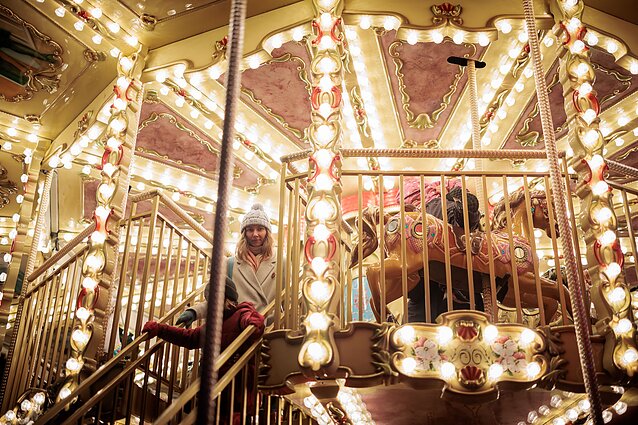
Cinema reinforced these ideas. One of the most enduring films, It’s a Wonderful Life (1946), depicted Christmas as a magical period in which family bonds and love triumph over materialism and personal hardship. Repeated storylines showed families setting aside work and worries to reunite at home, strengthening the perception of Christmas as a time of togetherness, empathy and goodwill.
Popular media also played a decisive role in spreading Christmas songs, now inseparable from the festive season. Songs such as White Christmas and Jingle Bells were broadcast around the world on radio and television, helping to shape a shared holiday atmosphere.
A notable paradox is that although Christmas is a Christian holiday, many of the most famous Christmas songs – including Let It Snow, Rudolph the Red-Nosed Reindeer, The Christmas Song, Silver Bells and Rockin’ Around the Christmas Tree – were written by Jewish composers. Irving Berlin, the son of Russian Jewish immigrants, wrote White Christmas, which became the best-selling single of all time.
Coca-Cola’s Santa
The tradition of Santa Claus has its roots in Saint Nicholas, a 4th-century bishop from the city of Myra, in what is now Turkey. Known for his generosity and kindness, the legends surrounding Saint Nicholas gradually evolved into the symbolic figure recognised today.
The modern image of Santa Claus, however, was strongly shaped by commercial influence.
In 1931, Coca-Cola commissioned artist Haddon Sundblom to create warm, iconic images of Santa Claus for its advertising campaigns. Sundblom’s depiction – dressed in a red suit with white trim – became inseparable from American Christmas traditions and significantly contributed to the holiday’s commercial appeal. The campaign not only popularised the character in the United States, but also had a lasting global cultural impact, shaping festive imagery that persists today.

Between the Nativity and shopping centres
Lithuania is among the few countries that have preserved particularly distinctive Christmas traditions. The reflective period of Advent, Christmas Eve (Kūčios), a table covered with hay and twelve meatless dishes continue to carry deep spiritual meaning for many people.
Yet as the world becomes increasingly globalised, other Western forms of celebrating Christmas have naturally taken root as well.
Popular culture and commercial forces inevitably influence how Christmas is perceived today – in Lithuania and globally. As John Schmalzbauer notes, advertising, gift culture and mass media have altered the forms of the holiday, while also helping to make Christmas a widely recognised social phenomenon.
Perhaps it is precisely this tension that defines Christmas today: between the remembrance of Christ’s birth, gathering around a shared table, and the glittering shop windows and last-minute purchases.
Rather than a simple opposition between faith and consumption, Christmas emerges as a complex, multi-layered phenomenon in which religious meaning, family rituals and cultural narratives overlap.

Newsletter
Every Friday morning.