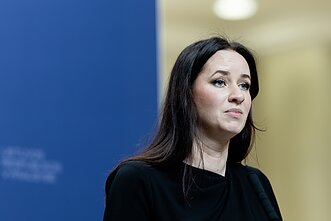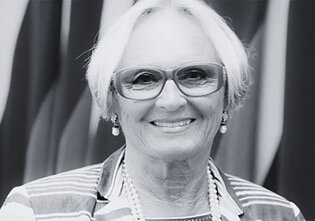














President Gitanas Nausėda’s chief foreign policy adviser, Asta Skaisgirytė, said Tuesday she sees encouraging elements in the newly released US National Security Strategy and does not expect Washington to alter its rhetoric even when views differ between countries, including on how to achieve peace in Ukraine.
Skaisgirytė welcomed the strategy’s language that US policy in Europe should prioritise “building up the healthy nations of Central, Eastern, and Southern Europe through commercial ties, weapons sales, political collaboration, and cultural and educational exchanges”.
“By our geographical definition, we would fall into that group of nations,” she told the radio Žinių Radijas.
She highlighted Lithuania’s strong trade relationship with the United States, including purchases of American weaponry and liquefied natural gas.
“We are doing a lot and will likely continue to do so, because this is our strategic interest – including in the defence industry,” she said.
The strategy released last week describes Europe as overly regulated, lacking self-confidence, and facing what it calls a threat of “civilizational extinction” due to migration. The document also criticizes Europe for relying too heavily on the US for defence.

Skaisgirytė said Lithuania agrees with US calls for more balanced “burden-sharing” in security and stressed that Vilnius is preparing to allocate more than 5% of Lithuania’s GDP to defence while developing a full military division.
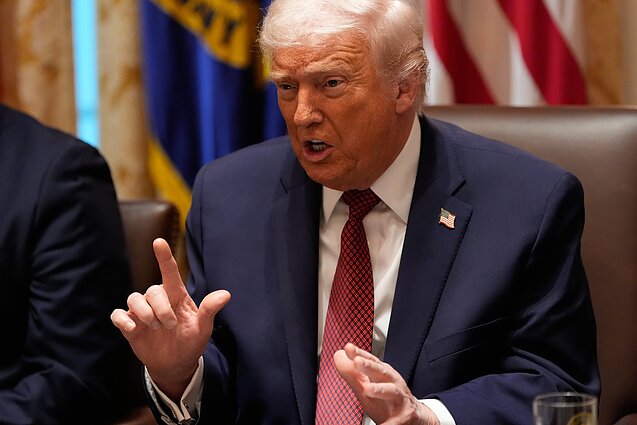
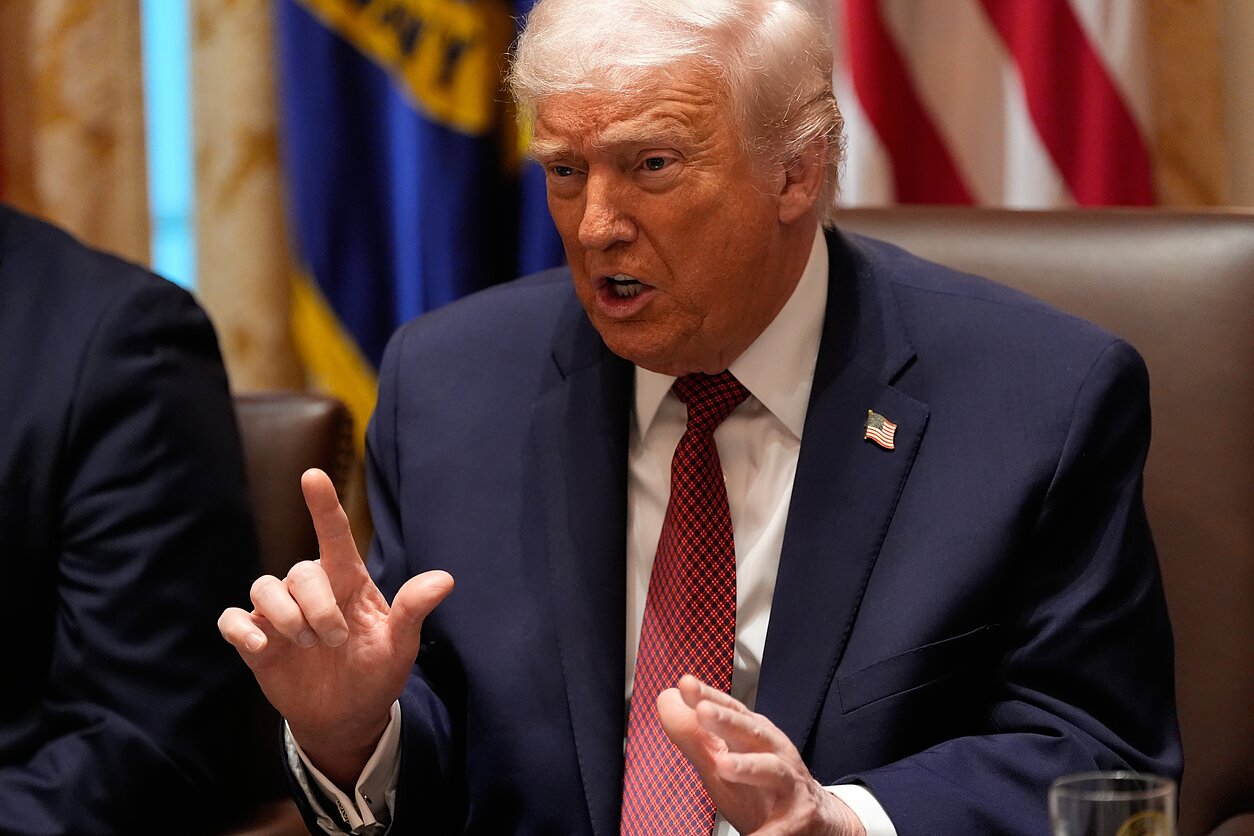
The strategy also states that President Donald Trump’s administration disagrees with European officials who have “unrealistic expectations” for ending the war in Ukraine.
Skaisgirytė said Lithuania should not shift its rhetoric in response to other nations’ strategies. She reiterated that terms for peace must be acceptable to Ukrainians themselves.
“They are now deeply engaged in identifying what the final conditions for peace should be, what security guarantees Ukraine could receive. And let’s be honest – the biggest point of contention remains territory,” she said.
The US strategy names the end of Russia’s invasion of Ukraine and the restoration of strategic stability with Russia as essential goals.
Skaisgirytė said any discussion of the issue depends on how “strategic stability” is defined.
“Of course no one wants war. Americans don’t want war with Russia, Europeans don’t want it, and Lithuanians certainly don’t want war with Russia,” she said.
“When we talk about strategic stability – that there is no war with Russia, Russia remains where it is in Europe, but we find a modus operandi for how to live with it – that’s the point. Russia has been our neighbour for a thousand years. We have learned how to live with Russia and we don’t have a sense of fear. Our society is more resilient than some others. Russia may not seem as frightening to us as it does to those who are geographically farther away. And that is our strength – the strength of our country and our region,” she added.

Newsletter
Every Friday morning.