










Lithuania has risen two spots in the European Gender Equality Index, ranking 14th among EU member states, with its strongest performance in the money domain and its weakest in health.
The country scored 60.9 out of 100 in the 2025 index published Tuesday by the European Institute for Gender Equality (EIGE), below the EU average of 63.4.
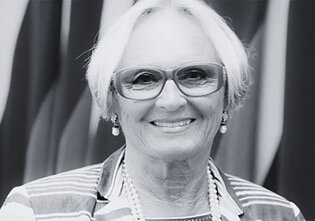
“Lithuania’s result shows progress, but not fast enough to reach the European average,” Equal Opportunities Ombudsperson Birutė Sabatauskaitė said in a press release. “The index shows that we are among the EU leaders in labour market participation, ranking second for the share of women and men working full time.”
However, Sabatauskaitė noted that “income gaps remain, and women still bear a heavier burden of household and care duties”, adding that progress varies widely across different areas.
Lithuania performed best in the money domain, scoring 81.9 points and placing sixth in the EU. EIGE said the result reflects relatively strong economic conditions and one of Europe’s smallest pension gaps: women’s pensions in Lithuania are 12 percent lower than men’s.
Health remains among the country’s weakest areas, with Lithuania ranking 24th. Only 45 percent of women say their health is “good” or “very good”, the lowest share in the EU, compared with 55 percent of men.

“Women in Lithuania live longer than men on average, but their health at older ages is worse,” Sabatauskaitė said. “Only 37 percent of women aged 65 can expect to live without major or moderate health problems, almost ten percentage points fewer than men.”
The report also highlights persistent gender segregation in education. Seventy-one percent of Lithuanian women aged 30–34 have completed tertiary education, compared with 53 percent of men, one of the largest gaps in the EU.
Little progress has been made in reducing occupational segregation over the past decade, according to EIGE. Four in five graduates in education, health and welfare, humanities, and the arts are women, while two in three graduates in STEM fields are men.
Sweden again tops the index, followed by France, Denmark, and Spain. Latvia, the Czech Republic, Hungary, and Cyprus occupy the lowest positions.
The Gender Equality Index measures member states’ progress in six areas: work, money, knowledge, time, power, and health.

Newsletter
Every Friday morning.