















Every tenth worker in Lithuania is now a migrant. According to the latest statistics, around 150,000 citizens from non-EU countries, as well as around 17,000 nationals from other member states, are now working in the country.
Recent years show a steady rise in migration, primarily from non–EU countries, so-called third-country nationals. From 2020 to 2025, the number of third-country workers in Lithuania increased more than 20-fold.
At the beginning of 2020, around 6,800 third-country citizens and only 100 EU citizens were working in Lithuania. In 2021, the number of workers from third countries grew nearly threefold – to 17,600.
In 2022, due to increased flows from Ukraine, Belarus and Russia, the number of third-country workers in Lithuania rose further – the total number of foreign nationals in the labour market reached 37,600. The vast majority – 35,000 – were third-country citizens.
In 2023, the number of foreign workers nearly doubled to 73,900 and doubled again to 141,400 in 2024.
As of October 1, migrant workers make up around 11 percent of all employees in Lithuania.
“Most foreigners work in Lithuania’s major cities – Vilnius, Kaunas, Klaipėda and others, that is, where the largest number of employers operate,”said Milda Jankauskienė, spokesperson of the Employment Service.
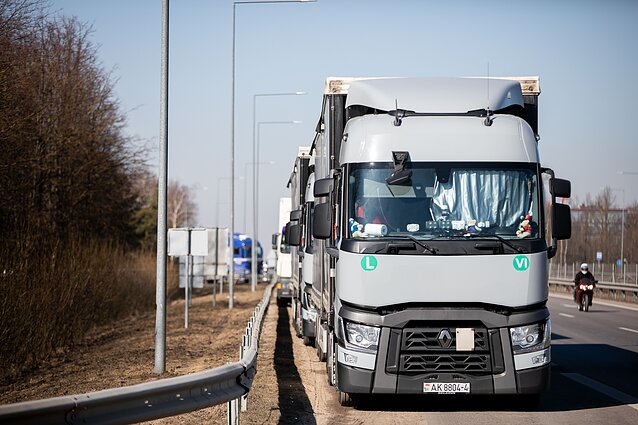
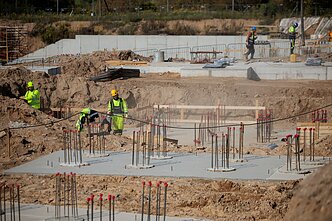
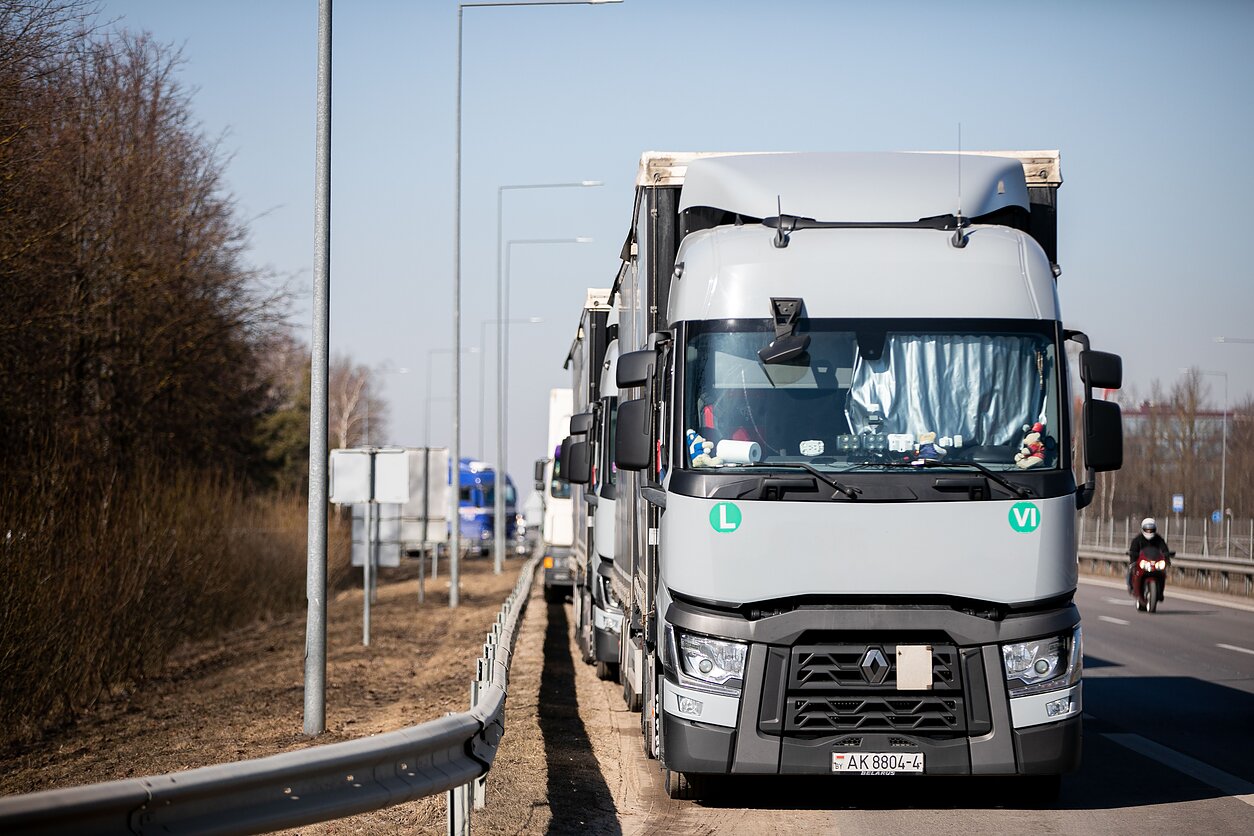
Roughly half of migrants from third countries work in the transport and logistics sectors – about 78,000 people. The second, most-opted work is in construction with 28,000 (18.1 percent) of employees, followed by the manufacturing, accommodation and catering, and IT and communications sectors.
“EU citizens most often work in the construction sector – 5,400 people (32.3 percent), administration and support services – 3,700 (22.3 percent), the manufacturing sector – 2,700 (16.6 percent), as well as in transport and logistics – 1,500 people (9.2 percent),” Jankauskienė said.

Most workers from Belarus
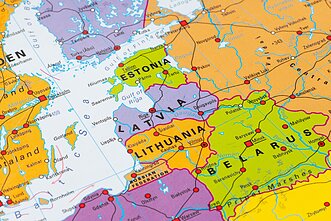
According to 2024 data, most workers arriving in Lithuania came from Belarus, totalling around 46,544 people.
Second place goes to Ukraine, with 39,791 nationals in employment. In third place is Uzbekistan – 7,199, and in fourth – Russia, with 6,094 workers.
A total of 5,325 workers arrived from Tajikistan, 4,660 from India and 4,543 from Kyrgyzstan. Another 3,480 workers are from Azerbaijan, 2,354 from Kazakhstan, 1,226 from Georgia and 1,080 from Moldova.
According to STRATA, the Government Strategic Analysis Centre, migrants are currently helping to address the labour shortage.
An increase in migrant workers has also highlighted income inequality between the arrivals and the local population.
“In medium-skilled jobs, where most foreigners are employed, their average wage was about 11 percent lower than that of Lithuanian citizens – €1,472 and €1,630 respectively,” said Giedrė Beleckienė, the chief policy analyst at STRATA.
“This difference suggests a potential inequality risk, with foreigners in jobs requiring the skill level ending up in a less favourable position than local workers,” she added.
Meanwhile, in high-skilled jobs, foreign nationals earn on average about 13 percent more than Lithuanian citizens.
“This may indicate that high-skilled positions are being filled by foreign specialists with specific, scarce competencies whose market salaries exceed the average. It is also likely that these are positions that are harder to fill with local labour, so employers are prepared to offer more attractive pay,” Beleckienė said.

Newsletter
Every Friday morning.