















On Wednesday, the Lithuanian government has announced it will extend temporary protection for Ukrainian citizens fleeing the war until March 2027.
Under the current regulations, temporary protection was set to expire on March 4, 2026.
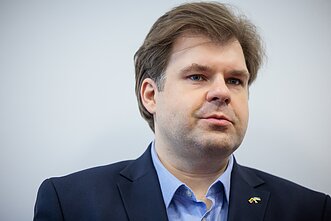
“The European Union has agreed to extend temporary protection because the war is not over. We proposed to do the same in Lithuania with this government resolution,” acting Prime Minister Rimantas Sadžius said during a Cabinet meeting on Wednesday.
Temporary protection is a special measure for those forced to leave their country under exceptional circumstances. Beneficiaries enjoy the same rights across the EU, including the right to reside, access to employment, housing, medical care, social support, and school enrolment for children.
According to the Interior Ministry, Lithuania’s Migration Department registers around 30 to 40 new applications daily for temporary residence permits on the basis of temporary protection, for those unable to return to their country.
At present, residence permits issued to Ukrainians are valid until March 4, 2026. Following the government’s decision, they will be extended by an additional 12 months.
“This will reduce the administrative burden for individuals, as they will hold longer-term residence permits. It will also ease the workload for Migration Department staff and make it easier to manage permit renewals as March 4, 2026 approaches,” the ministry said.
The extension also continues the policy of not requiring foreigners working in Lithuania under temporary protection to learn Lithuanian. In July, the government decided that war refugees would not have to speak the language while holding temporary protection status.
Temporary protection was first introduced in February 2022, when Russia launched its large-scale invasion of Ukraine. EU member states initially granted it for one year, with annual extensions.
In June, the EU extended temporary protection until March 4, 2027 for more than four million Ukrainians who have fled the conflict.
In Lithuania, the Migration Department currently provides temporary protection to around 47,600 people.
The Lithuanian government has also committed to providing medical rehabilitation and psychiatric care to minors who were forcibly transferred from Ukraine to Russia and later returned.
“Children will be accommodated in institutions offering inpatient medical rehabilitation, with accommodation and catering provided for accompanying adults,” the ministry said.
The programme is expected to assist around 150 children per year.

Newsletter
Every Friday morning.