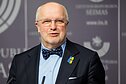

Criticising the incoming government’s hint at taxing banks, President Gitanas Nausėda argues that additional levies would worsen Lithuania’s investment climate.
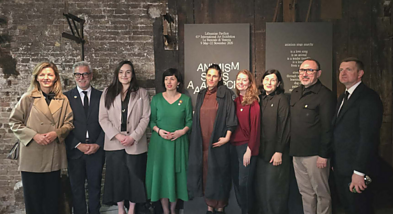
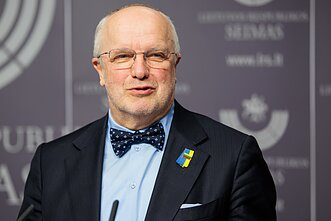
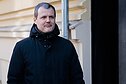
“When considering any new taxes on banks, we must understand that this affects certain investment conditions in the banking system,” the president told reporters after a meeting with the Board of the Seimas on Tuesday.
“We cannot introduce new taxes all at once and expect that banks from Poland, Germany, and other countries will willingly come to Lithuania,” he added.
According to Nausėda, potential investors in Lithuania are aware of the geopolitical threats faced by the country.
Following the tax reform implemented by the previous ruling coalition earlier this year, the new government led by Inga Ruginiene promises not to introduce any new taxes, except for possible levies on banks.

A draft government program published on Tuesday spells out intentions to apply a “financial stability tax, calculated on the basis of liabilities”, to banks, but does not specify what the new tax might look like.
Ruginienė did not provide any details about the new tax during her appearance on the LRT TV programme Forumas on Monday, only saying it was proposed by other parties in the coalition.
President Nausėda said he could not comment on the specific proposal for a financial stability tax because the idea had not been presented to him in detail. He said, however, that since a current tax on banking windfall profits is nearing its expiry, “its extension could be considered”.
The so-called bank solidarity contribution introduced several years ago is set to expire this year. The government expected to generate approximately 590 million euros in revenue from the levy between 2023–2025.
The tax was introduced on excessive profits enjoyed by commercial banks after the European Central Bank hiked interest rates. The levy is charged on the part of net interest income that exceeds the average of the last four years by more than 50 percent.

Newsletter
Every Friday morning.