














NATO experts have completed their assessment of Lithuania’s airspace surveillance system and are currently preparing an analysis to be presented to Supreme Allied Commander Europe (SACEUR) Alexus Grynkewich.
“NATO experts left Lithuania at the end of August and are currently preparing an analysis that will be presented to SACEUR so that he can come to Lithuania with detailed information and possible solutions,” the Defence Ministry told BNS on Wednesday.
NATO experts visited Lithuania after two incidents in the summer, when two Russian-made Gerbera drones crossed into Lithuania’s airspace from Belarus. One of them was carrying two kilogrammes of explosives.
Military officials believe both drones entered Lithuanian airspace after their flight paths were diverted by electronic warfare systems amid attacks on Ukraine.
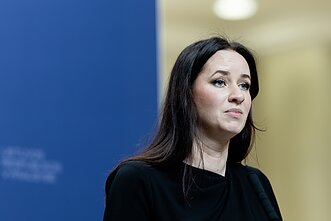
Defence Minister Dovile Šakalienė said following those incidents that she and Grynkewich had agreed on additional allied assistance in protecting the country's airspace, starting from sharing additional intelligence information.
Grynkewich plans to visit Lithuania in September.
Lithuania has closed part of its airspace on the border with Belarus until October, ahead of the Zapad military exercise planned by Russia and its ally Belarus in September.
The Defence Ministry said “this was done in view of the security situation and threats to the public, including risks to civil aviation posed by unmanned aircraft violating airspace, as well as the need to create the necessary conditions for the Lithuanian Armed Forces to carry out their statutory tasks in peacetime in response to such and similar airspace violations”.
Šakalienė said last month that competent authorities were also finalising decisions that would make it possible to shoot down targets in the airspace.
According to her, the new legal regulation would allow certain airspace corridors to be closed "quickly and effectively" to destroy targets without harming civilian facilities.
Lithuania plans to purchase additional air defence capabilities worth 500 million euros in the coming years.

Newsletter
Every Friday morning.