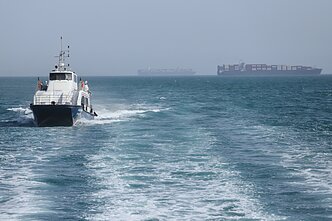

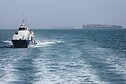










A newly launched electric passenger ferry on the Neris River in Vilnius was temporarily docked over the weekend after heavy rain caused water levels to rise sharply, bringing debris and safety concerns.
The ferry service, operated by the city-run mobility agency JUDU, was suspended Saturday morning. “Attention passengers: Due to rising water levels in the river and to ensure safety, ferry service is temporarily suspended,” the agency announced on Facebook.
The abrupt halt drew ironic responses from residents online, with some mocking the idea that a boat could be grounded by too much water. “If planes stopped flying because there’s too much air, we’d be in trouble,” one user quipped. Others accused city officials of poor planning and wasting taxpayer funds.
JUDU later clarified the decision was not due to high water levels alone, but to hazards caused by the sudden rise. According to Arnas Misiūnas, JUDU’s head of public transport coordination, storm runoff had brought large branches, logs, and even whole trees into the river, some of which collected near floating docks used by passengers.
“These obstacles posed safety risks both in the water and on the pontoons,” Misiūnas told LRT.lt. “Over the weekend, our team cleared the debris. The service has now resumed.”
The electric ferry, named Rytas, began regular operations on July 25. The initial route runs between King Mindaugas Bridge and the Žvėrynas district, stopping at five points along the way. Trips last between 45 and 55 minutes depending on current conditions.
Tickets cost €3 if purchased in advance or €4 onboard. Eligible groups, including students, seniors over 80, and others covered by legal exemptions, receive an 80% discount, paying just €0.60. Tickets are valid for 90 minutes across all modes of public transport, including buses and trolleybuses.
Two more electric ferries are expected to join the Vilnius fleet this autumn, while a fourth is currently being tested in Riga. Each vessel costs approximately €450,000.
Though the project has faced scepticism, city officials emphasise its value as a sustainable transportation alternative. Misiūnas said the incident was a learning moment but showed the team’s readiness to adapt.

Newsletter
Every Friday morning.