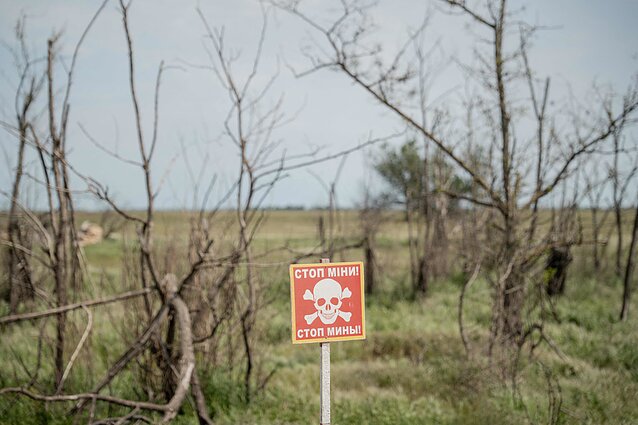











Lithuania plans to spend €500 million over the next decade on anti-tank mines, prioritising local manufacturers. However, domestic companies say the current technical specifications appear tailored to Polish-made mines, raising concerns about whether it’s viable to invest in domestic production.
Five Lithuanian firms are considering participation in a Defence Ministry tender to supply anti-tank mines.
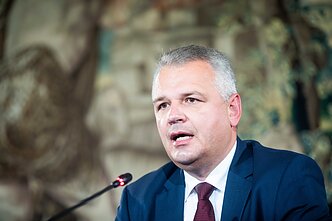
“This would be the first time an A-category weapon is produced in Lithuania – either partially or entirely. It would mark a major breakthrough for our defence industry,” said Darius Antanaitis, co-founder of Ostaralab.
Still, companies remain cautious. Business representatives say the technical criteria favour existing Polish designs, potentially sidelining local innovation.
“The specifications are strict. To meet them, we would need to completely redesign a mine to match the Polish model,” said Antanaitis.

Loreta Maskaliovienė, vice minister of defence, disagrees with the notion that the tender favours foreign products. “I don’t believe they were designed for another country. The priority remains to support Lithuania’s own defence manufacturing, including mine production,” she said.
The planned order involves tens of thousands of mines, which would translate into a multi-million-euro contract, said Antanaitis.
Despite the potential, some companies are hesitant.
“After fulfilling the order, we would have to shut down production, because there would be no further buyers. That would mean closing the factory and laying off employees,” Antanaitis noted.

The ministry says it is working to ease entry for local producers. Legal amendments to support the defence industry have been submitted to Parliament, though the industry says reforms are moving too slowly.
“In Estonia, conditions for manufacturing A-category weapons are already slightly better than what Lithuania is currently considering,” said Vincas Jurgutis, a representative of the Lithuanian Defence and Security Industry Association..
According to Maskaliovienė, orders for mine systems are expected to grow. In total, Lithuania plans to invest €800 million over ten years in anti-tank and anti-personnel mines.
A new procurement for anti-personnel mines is expected to launch in six months, once Lithuania officially withdraws from the Ottawa Convention, which bans the use and production of such weapons.
“We will again give preference to Lithuanian producers. We are already doing the preparatory work,” Vice Minister Maskaliovienė said.

“I truly believe Lithuanian manufacturers will be ready to take part in this process,” added Jurgutis.
Lithuania’s exit from the Ottawa Convention will be finalised at the end of this year. Until then, discussions about domestic anti-personnel mine production remain largely theoretical. Even so, manufacturers expect more challenges ahead.
“Countries that have signed the Ottawa Convention won’t supply any parts for anti-personnel mines,” Antanaitis said.
Lithuania is not alone. Other countries bordering Russia, including Finland, are also leaving the convention. Finland’s defence minister said the decision was driven by lessons from Russia’s tactics in Ukraine.
Finland is considering launching domestic production. Poland, Latvia, and Estonia have not announced similar plans but are reportedly assessing their defence needs.
Correction Aug 1, 2025: Several quotes in the article were previously misattributed.

Newsletter
Every Friday morning.