















Lithuanian businesses say the onset of a trade war sparked by new US tariffs marks a new reality of reduced trade with America, intensified competition in Europe, and a push to break into markets in Japan and India. In response, the business community is calling on the government to at least delay its proposed tax reform.
President Gitanas Nausėda has urged patience, suggesting it is too soon to fully understand the impact of the tariffs. Prime Minister Gintautas Paluckas, however, says there is no immediate economic effect and suggests businesses may be trying to exploit the situation to delay tax changes planned by his government.
In Panevėžys, the cable manufacturer Lietkabelis had been preparing to expand exports to the US after earning certification a few years ago. Now, uncertainty looms.
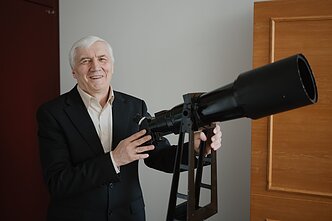
“It is definitely a challenge,” said Sigitas Gailiūnas, the company’s CEO.

Following the US announcement of 20% tariffs on European goods, products like cables and wires from Lietkabelis risk becoming uncompetitive in the American market. Although only 1% of the company’s products are exported directly to the US, about a third reach the market through partners in Scandinavia and Germany.
“They have branches in America and many of them are considering shifting some of the production currently done here in Europe to the US,” Gailiūnas said.
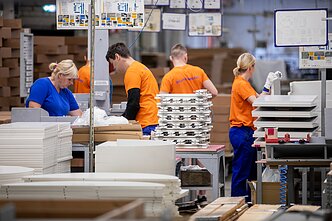
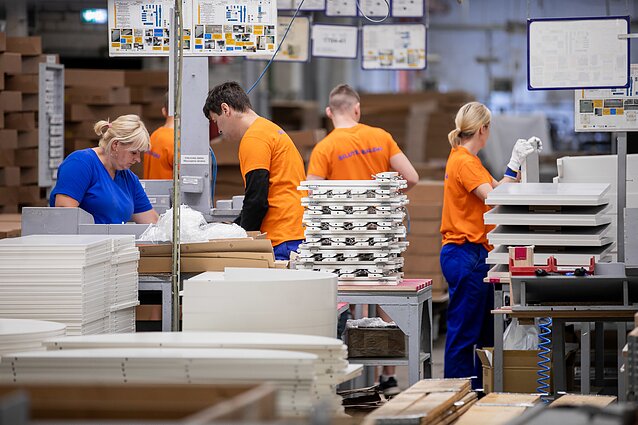
Some companies are already ahead. Lithuanian furniture group SBA has built a factory in North Carolina, set to open within six months. The 70-million-euro investment is the largest Lithuanian capital project in the US.
“Our business plan remains unchanged. The alternative would be shipping goods from elsewhere, which would increase costs by 20%,” said Jurgita Radzevičiė, head of SBA Home.
For those unable to relocate production, competition in Europe is expected to grow fiercer, particularly with Asian suppliers like China. Transatlantic container traffic could also decline.
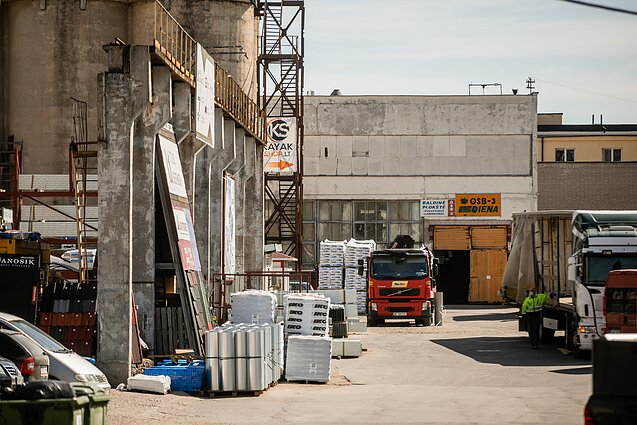
“We must prepare for a broader impact and work with the EU to protect our industries, our producers, our jobs,” said Lithuanian Confederation of Industrialists president Vidmantas Janulevičius.
Janulevičius emphasised that Lithuanian companies must explore new, often expensive, markets.
“Markets like Canada and Japan are not cheap, but they offer opportunities to offset losses if tariffs can’t be reduced,” he said.
The Ministry of Economy and Innovation has announced a €20 million support package for businesses affected by the tariffs. More than 1,000 Lithuanian companies currently export to the US.
“Our priority is to help businesses adapt, find new markets, and retain existing ones,” said Economy Minister Lukas Savickas.
Businesses want more
Business groups welcome the assistance but say it is not enough. With uncertainty akin to the pandemic, they urge the government to freeze tax reforms, including halting planned corporate and personal income tax increases.
“Tariffs are taxes too, just not imposed by the Lithuanian government. We must consider the entire tax structure and not make changes during this period,” said Gailiūnas.
“Raising taxes during an economic war would be disastrous, totally disastrous,” added Business Confederation President Andrius Romanovskis.
While acknowledging that tariffs could shave GDP growth, Savickas said Lithuania’s economy is still projected to grow, which would generate additional revenue for defence spending.
Prime Minister Paluckas suggested businesses may be using the tariff issue to delay reforms: “Everyone uses the tools and opportunities they have.”
President Nausėda noted that the real effects of the US tariff proposals will become clearer over time, especially as the European Commission prepares countermeasures.
“The US may be forced to negotiate,” Paluckas added.
Meanwhile, the Investors’ Forum warns that if a full-scale trade war breaks out, goods could begin to pile up at borders, and Lithuanian customs authorities should prepare for possible disruptions.

Newsletter
Every Friday morning.