













Lithuanian emigres are increasingly choosing to return from abroad and settle in the country’s less populated regions. In response, the state Employment Service has created an interactive map with 50 indicators on housing, work, education, and other issues.
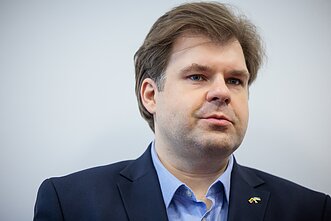
“We can see that this year, over 8,000 more Lithuanians have returned than left the country. It is also interesting to note that Lithuanians are returning not only to the big cities,” said Tadas Kubilius, head of Grįžtu.lt, a consultation and information centre for Lithuanian expats planning to return to Lithuania.
The positive trend has continued for four years in a row, with around half of those coming back choosing to live in the countryside.
The new tool “Gal Į Lietuvą?” aims to help smooth the return process.
“A person can find out all about employment in a particular municipality of their choice, what would be the cost of renting and buying a house, what are the educational institutions in that municipality,” said the initiative’s coordinator Agnė Skučaitė-Leonavičienė.
“There is also data on schools that are prepared [to welcome returnees] and have special integration programmes for children, including for those who do not speak Lithuanian or who are not yet proficient in it,” she added.

Additional data sets include price comparisons, as well as wages and biggest employers.
According to a recent survey by the Employment Service, more than 55 percent of Lithuanian migrants would like to or are already planning their return home. Of those, 23 percent would settle in a major city.
The attitude toward emigres is changing in Lithuania as well, said Kubilius from Grįžtu.lt. “The success stories inspire more people to come back,” he added.
The main motivation to head back to Lithuania revolves around family, relatives, and friends. These trends are reflected in the annual diaspora survey carried out by the Foreign Ministry.
“People also say that they do not feel as good anywhere as in Lithuania,” Kubilius said. “And they also see positive political, social, cultural and economic changes in Lithuania.”
This is in line with the disproved and false stereotype that only those who failed abroad choose to return to Lithuania, Kubilius added.

Newsletter
Every Friday morning.