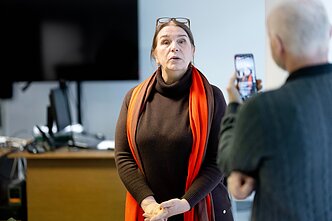













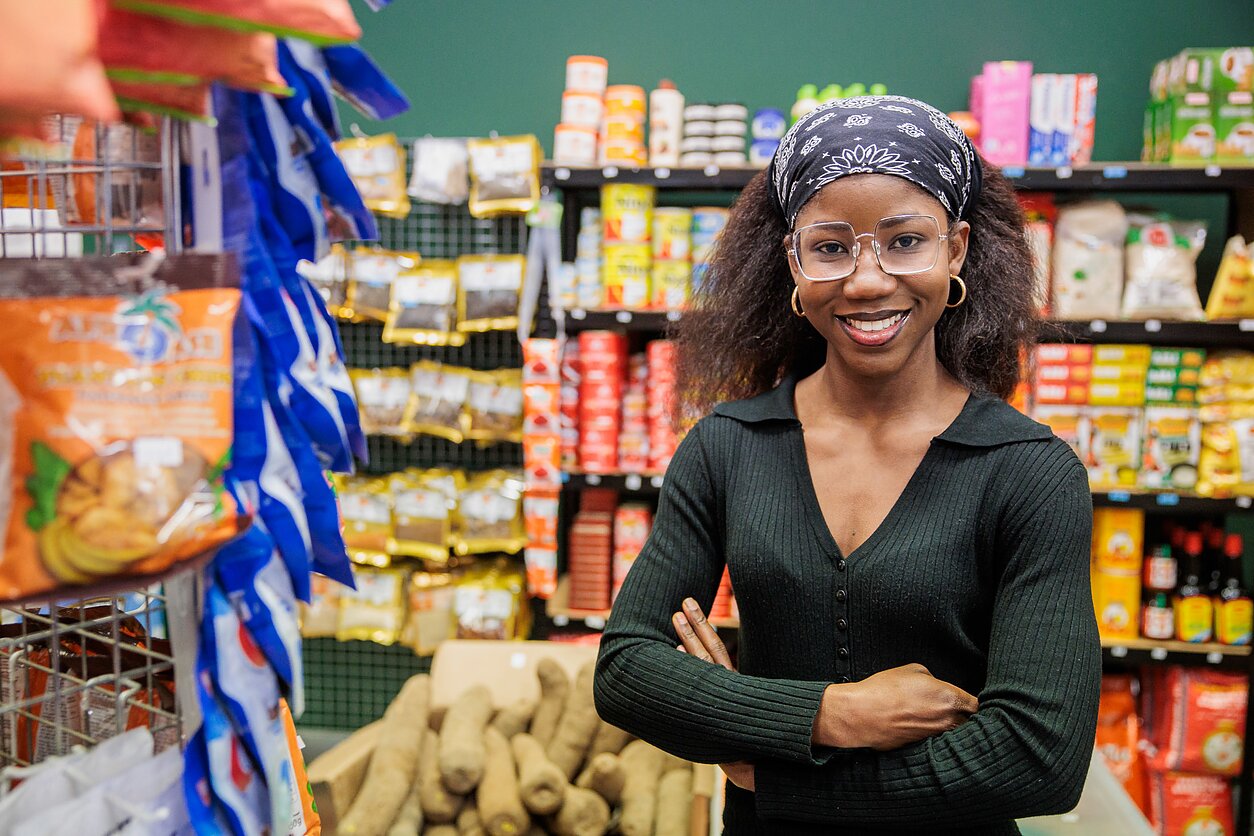
Princess Benido (Obaa Borga) from Ghana first came to Lithuania as an Erasmus student studying IT. Soon, she married a Lithuanian man and settled in Vilnius, opening one of the capital’s first African stores. In an interview with LRT.lt, she speaks about cultural differences, starting a business, and encountering racism.
“When I came, I had no plans of staying. The programme was supposed to last five months, so I planned to finish the programme and go back home,” she said. “The Covid-19 pandemic broke out and I couldn't go back. I tried several times to book flight tickets home, but they kept getting cancelled, so I gave up and decided to stay for one more semester.”
Eventually, Borga found a job in Lithuania and later met her future husband.
“When I met him, I decided to stay a little longer and see how things went – if I didn't like it, I would leave. That's how I ended up in Lithuania,” she said.
When asked about cultural differences, Borga said she was surprised by the way Lithuanians keep to themselves.
“In Ghana, there are a lot of smiling people and the locals don't try to pretend – they really want to talk to you and be friends, especially when you are a foreigner.
“When I came to Lithuania, the first people I met were my university community and they were very nice. But if you have to go further into the city, you realise that everyone is just minding their own business and nobody wants to be friends with you,” she said.
Craving African food
The idea of starting her own business – OBA African Store – came when she was pregnant with her daughter.
“When I was expecting, I wanted a lot of things and for some reason, I really wanted African food, but it wasn't easy to get it,” she recalled.
Borga decided to open an online shop first to see if there was demand.
Later, she realised that people always preferred to come into a shop than browse online.
“They like to look at the goods, touch them. This is one of the reasons why I opened a physical store,” she said
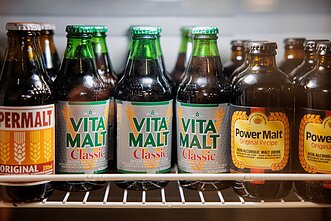
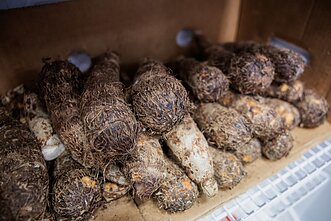
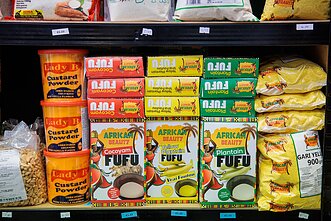
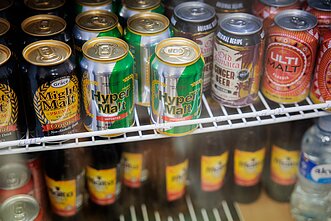
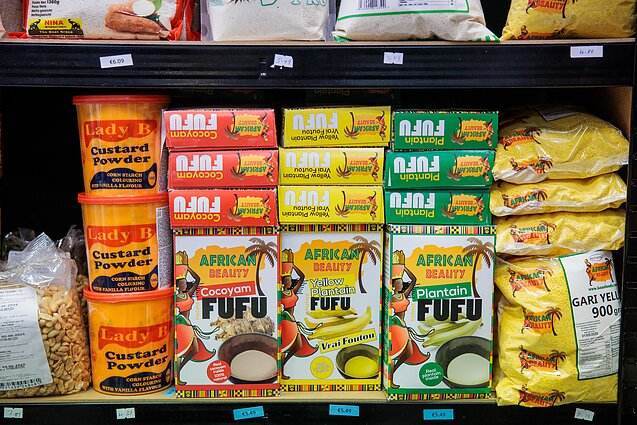
The shop offers a variety of African products, including groceries, as well as fashion and beauty products. Borga sources many of them directly from suppliers in Africa.
Asked if Lithuanians are interested in such products, Borga said the locals were very curious.
“They ask questions, they want to try different products – it's wonderful. 99 percent of Lithuanians are very open to innovation,” she said.
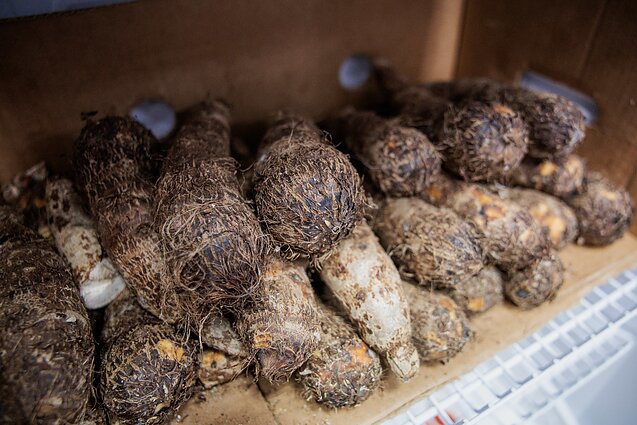
“A lot of them don't know what they are looking for, they don't know what's made of what, but I always try to explain it to them, give them recipes”, Borga added.
For now, the shop isn’t too profitable – “it's more of a hobby for now,” the woman said, smiling.
Knowing Lithuanian would make running her business easier, she admitted. “I cannot blame anyone but myself for not knowing the language well yet,” she said. “I came to your country, I have to learn your language.”
The Ghanaian woman said her husband, who works in finance, often helps her with the language.
“I don't yet know how to speak certain business terms and so on. [...] When people speak, I understand a lot, but I just cannot say it myself, so in most cases, I rely on my husband to do certain things for me,” Borga explained.
Facing racism
Part of her work involves creating content on social networks as a way to attract business.
However, while most of the Lithuanians she had encountered were kind, Borga said she did face racism and hate speech on social media.
“There are closed-minded people in every country. [...] They see you as a foreigner, they don't know why they hate you,” she said. “People call me the N-word and say my skin is dirty, but of course, there are also very nice, kind, and supportive Lithuanians.”
That hasn’t prevented her from wanting to raise her family here in Lithuania.
“You always want to be where your heart is. My husband is Lithuanian, so of course I want to be here. It's very beautiful and I like it here,” said Borga.

Newsletter
Every Friday morning.