














Although the suicide rate in Lithuania is decreasing year on year, it remains high among people aged over 60. Experts stress that older people are often reluctant to seek professional help, while the situation is particularly bad in the districts, where there is a shortage of mental health specialists.
At a press conference organised for World Suicide Prevention Day, psychologist Linas Slušnys pointed out that people over 60 still believe in various myths about psychological help, which contributes to the rising number of suicides among the elderly.
According to Psychologist Brigita Gelumbauskienė, misconceptions about psychological help come from the Soviet era.
“If we are talking about people over 60 years old, they still come from the Soviet period when there was little psychological help, a distorted attitude and treatment. There are still a lot of lingering beliefs, maybe someone has suffered from those bad ‘psychologists’, maybe they have seen some bad examples,” she told LRT.lt.
The psychologist notes that older people also think that it is too late for them to change something.
“The older people write themself off, isolate themself and thus keep these experiences to themself. [...] When people think like that, they do not seek help,” Gelumbauskienė said.
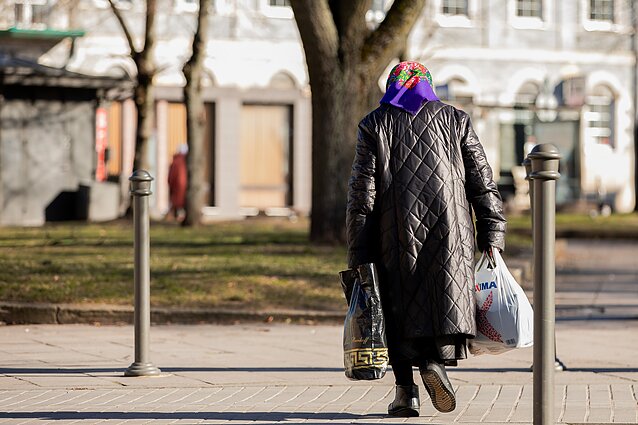
It is also important to educate people about the help they can get in a psychologist’s office, says Kristina Čiuželienė, head of the helpline Sidabrinė Linija for seniors. The generation that grew up during the Soviet period, is not used to asking for help, she notes.
“They are even shy to call the helpline. They say: ‘I’ve known your number for some time, but I kept thinking maybe it’s harder for other people, so I didn’t want to bother you.’ This shows that this generation has been through a lot of hardship and they have learned that they have to suffer,” Čiuželienė explains.
Stigmas in regions
According to the head of Sidabrinė Linija, seniors are especially reluctant to seek psychological help in the regions, as they are afraid that others will find out about their problems.
“There is one [mental health specialist] for the whole district, and people are afraid that he will go and tell all the secrets to the whole district,” Čiuželienė says, adding that stigmas about mental health are still prevalent outside the main cities in Lithuania.
“If we are talking about small towns and provinces where there is one psychologist and one psychiatrist, people don’t want to go to the clinic because they think ‘my neighbour will see me there’. There is a belief that it is shameful to ask for psychological help,” adds psychologist Gelumbauskienė.
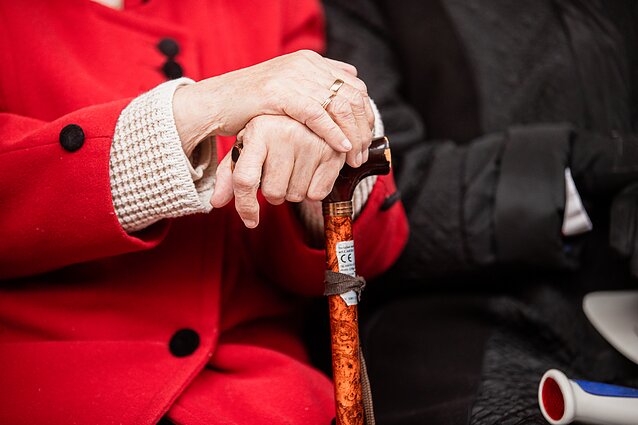
According to the Lithuanian Institute of Hygiene, 562 suicides were recorded in Lithuania last year, 364 of them in district municipalities.
Čiuželienė notes that it is also still rare for seniors to openly share thoughts about suicide even when they call the helpline.
“That generation doesn’t dare to talk about it, it’s actually quite a big stigma and a big fear. It is unusual for them to call someone and talk to them or ask for help,” the head of Sidabrinė Linija says.
Psychologists say it takes time to develop the skill of asking for help. However, communication and education make a strong contribution to reducing stigma and building the necessary skills.

Newsletter
Every Friday morning.