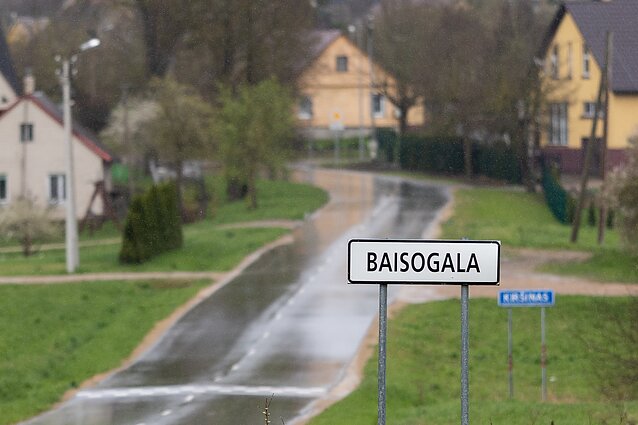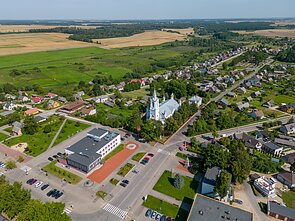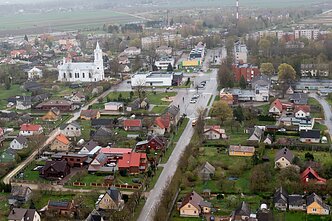


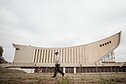







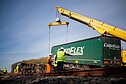



The German munitions manufacturer Rheinmetall is planning to open a factory in Lithuania. Baisogala, a small town in northern Lithuania, has been picked to host the plant, stirring both expectations and fears among the local population.
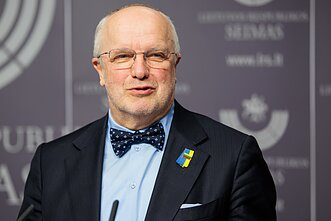
Economy Minister Aušrinė Armonaitė recently visited Baisogala, a town of 2,000 residents in Radviliškis District, seeking to reassure the local community. She says that the construction of a Rheinmetall ammunition plant will bring many benefits, from rising property prices to jobs and better infrastructure.
“No one asked our opinion at all,” says a local woman about the plans for her town. “And it is not up to us whether we say we approve or disapprove, I will no longer be working there anyway.”
The community seems divided on the issue. Some residents say they are looking forward to hosting the plant. Others are worried about its environmental impact – and that an ammunition plant could make their town a target in case of a war.

“We will be the safest town in Lithuania,” says one woman, convinced that a military plant will be properly secured. She does not mind the Rheinmetall factory at all, she adds.
“At first I was really scared, I was in agreement with a lot of people in Baisogala who said that this would be a target,” the woman says.
A local man believes that the German factory will come with German air defence.
“People do not follow the situation in Ukraine, how Russia is fighting – they are attacking civilian targets. Having a factory here means that the German air defence system would come here and with that system, we get a defence umbrella,” he insists.
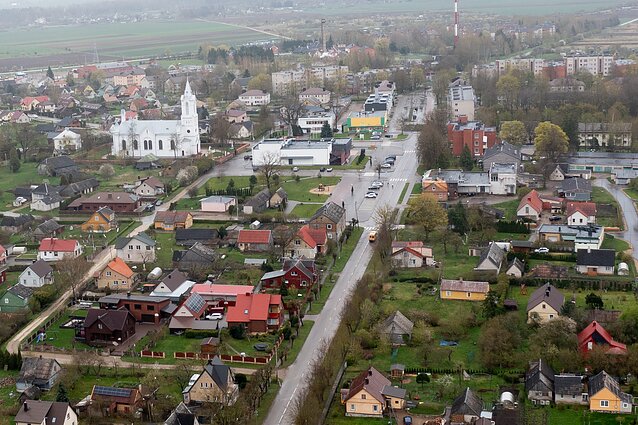
“There is protection here and in case of war, the safe zone will be protected, and the prospect of jobs for young people, in short, Baisogala will rise,” says another.
The German military giant Rheinmetall is to invest more than 180 million euros in an artillery ammunition plant in Lithuania, which is expected to create at least 150 new jobs.
“Everybody is wondering, what is in it for the town? Will the road be fixed, what kind of work will be done, will there still be a need for local business,” says Economy Minister Armonaitė. “The answer to all these questions is yes. The infrastructure will improve and there will be a boost for local businesses because there will still be a need for services and suppliers.”
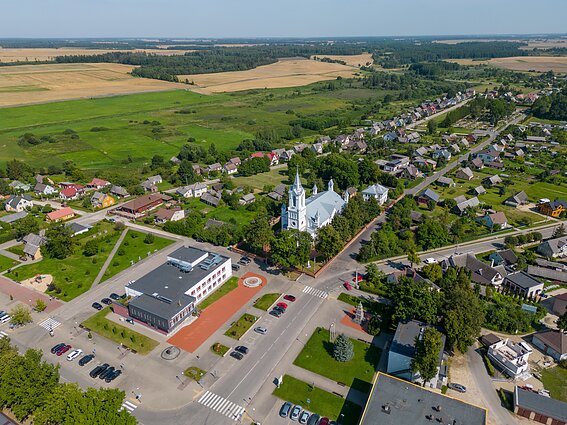
“We believe that this project will bring prosperity to our district and will attract new investment,” says Radviliškis District Mayor Kazimieras Račkauskis.
The land envisaged for the would-be plant is now used by the University of Health Sciences. Its council recently agreed to give up the plot, in exchange for land in other places.
Construction of the Rheinmetall plant is scheduled to start in autumn.

Further reading

Newsletter
Every Friday morning.