









Two architects plotted a radical, new version of Vilnius that would have fundamentally changed the face of the Lithuanian capital. The project, however, was only partially realised during the Soviet occupation.
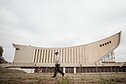
In 1964, a project for the new centre of Vilnius was drawn up by the brother architects Algimantas and Vytautas Nasvytis. It was centred around Konstitucijos Avenue, where the business district is currently located, as well as the CUP shopping centre.
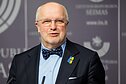
"Many architectural historians note that the post-war decade was devoted to reconstruction, while the 1960s were devoted to ideology. We can see this, especially in Vilnius, where Lukiškės Square became Lenin Square [...] and a boom of Stalinist buildings all around," said Marija Drėmaitė, an architectural historian.
Meanwhile, the 1970s became "more about the prosperity of modern and material life", she added.
Vytautas Nasvytis, one of the authors of the project, said in 1977 that the area would become "the most popular place in the centre of Vilnius", complete with a quay, a pedestrian bridge, swimming pools with fountains and cascades,
Ultimately, only about 70 percent of the ambitious plan was realised. No swimming pools or cascades appeared while the Žalgiris residential area was never built.

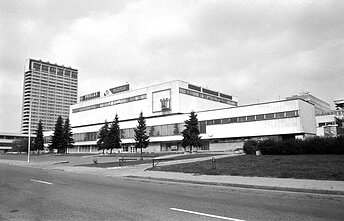
The first important object of the new Vilnius central business district was the Vilnius Central Department Store, now known as CUP, which opened in May 1974,
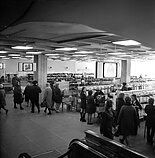
In the propaganda films of the time, the new 16,000-square-metre facility is presented as one of the cornerstones of the drive to "improve life". Contemporary newsreels also showcased a hitherto unseen technical innovation – escalator.
"The five-storey store will house a counting office, a fashion showroom, a cafeteria for visitors and a canteen for staff. A local television system is planned, which will greatly facilitate the work of the sales staff," read an article in the Komsomolskaya Pravda newspaper of 1973.

The store was tasked with achieving growth in turnover and high service culture, but the reality was different – only those with special status or connections could access more exclusive goods.
"One did not go to the central department store for everyday shopping, but for special, deficit purchases. It was the only place where certain goods were put on sale at all," said Drėmaitė.
Many people in Vilnius visited the store as a tourist site, to try on clothes they didn't plan to buy in the self-service halls or to ride the never-before-seen escalator.

The first skyscraper
The shop was just one of the features of the new business centre. On the other side of the street was a building for household services, with laundries, hairdressers and other amenities for everyday needs.
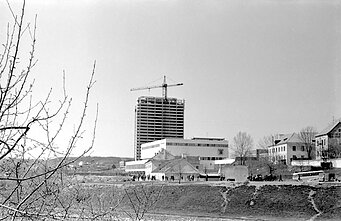
The most prominent object in the new centre of Vilnius was to be the first skyscraper, Hotel Lietuva, which was intended to house only special guests.
The construction of the hotel, which is now Radisson Blu, took almost two decades to finish, from 1966 until 1983.
"There was a trend to copy the style of hotels abroad when building hotels to accommodate foreigners," said Drėmaitė. Western-style hotels also appeared in Riga and Tallinn at around the same time.
The main goal of the entire architectural complex was also intended to serve as a propaganda landscape, giving foreign visitors the image of Soviet modernity.

The hotel was part of the Soviet hotel chain Inturisto and was dedicated exclusively to foreign tourists. On the other side of the new centre was the much more modest Turisto Hotel, which was intended for "internal tourism".
Although the new district was presented as part of a Soviet utopia, it was hard for Vilnius residents to get used to the place.
What we know today as the business district along Konstitucijos Avenue is "a continuation of what was conceived in 1964", said Drėmaitė.
For a long time, the entire urban landscape of the Neris right bank was too remote and largely inaccessible for Vilnius residents. One of the key features of the vision – a pedestrian bridge – was only opened in 1995.
Today, the new centre has a different face, complemented by active leisure and entertainment areas, popular with Vilnius residents and visitors. These spaces have also expanded since the construction of the White Bridge in 1995, which connected the new district to the historic centre of Vilnius. After 2000, as the district expanded beyond Konstitucijos Avenue, the vision of the Nasvytsis brothers was directly continued, and new skyscrapers have unseated Hotel Lietuva as the city’s tallest building.

Newsletter
Every Friday morning.