














Lithuania’s authorities have found no violations since the tightening of controls on grain imports from Russia and other heightened-risk countries on Monday but recorded a decline in the volume of shipments.
“We haven’t identified any violations to date; we simply noticed a decrease in the number of those transporting grain,” Gediminas Gvazdaitis, director of the Supervision Department at the State Food and Veterinary Service, told LRT RADIO.
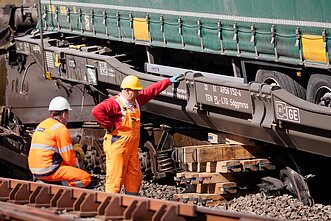
As of Monday, the authorities have been inspecting every rail or road shipment destined for the Lithuanian market or export via the Klaipėda Port. They are planning to further tighten the controls in the near future to involve checking the origin of grain transported through Lithuania as well.
The authorities are currently only checking feed grain shipments, but the State Food and Veterinary Service would like to inspect food grain shipments as well, according to Gvazdaitis.
Neringa Motiejūnaitė, head of the Customs Department’s Procedures Division, said that customs declaration statistics show the quantities of grain imported from Russia and other heightened-risk countries “definitely decreasing”.
According to Gvazdaitis, with the tightened grain import controls, the authorities are taking and testing samples from every shipment, not every twentieth as before.
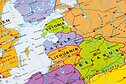
The list of heightened-risk countries includes Russia, Belarus, Transnistria, Russia’s annexed Crimea and other Ukrainian territories that are not controlled by the Kyiv government, as well as Abkhazia and South Ossetia.
Further reading

Newsletter
Every Friday morning.