













With Vilnius planning to phase out Russian as a foreign language in its schools, other municipalities say they will not be following suit.
Students in Lithuanian schools normally study two foreign languages. Most start English in year four, at the age of nine or ten, and pick another language two years later, in the sixth form.
Students at the Engineering Lyceum of Vilnius Gediminas Technical University (VGTU) have a choice of three second foreign languages: French, German, or Russian. According to the school’s headmistress Lina Bagdžiūnaitė-Litvinaitienė, there could be other choices, but the school’s designs do not necessarily coincide with those of the students and their parents.
“This year we offered Norwegian because we had the opportunity. As a free extracurricular subject, but no one signed up,” she says.
Vilnius authorities plan to allocate one million euros to strengthen the teaching of EU languages. Moreover, they decided that the city’s schools will stop offering Russian as a choice to six-graders as of next September.

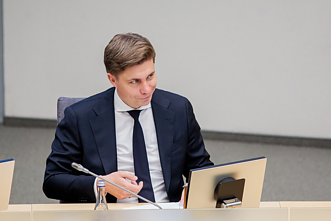
"We would like pupils to stop choosing Russian as a second language in year six. [...] Headmasters have to adapt their curricula to reflect this recommendation. It is not a law, but it is quite strong and it would be quite difficult to ignore it,” explains Vilnius Deputy Mayor Arūnas Šileris.
The Ministry of Education, meanwhile, is not considering strict bans on Russian language teaching. The processes should happen naturally, it says.
“The situation now is that in some municipalities there is no choice of German as a second foreign language. Even more municipalities don’t have French in any of their schools,” says Deputy Education Minister Ramūnas Skaudžius.
Further reading
According to the headmistress of the VGTU Engineering Lyceum, it may be difficult not only to find, but also to retain teachers of other foreign languages. Especially those who have not worked in such a job before.
“There is a chance that they will resign after a few months, and then we will have to look for another one. Again, the question is whether it will be easy to find one. [...] Consistency and continuity are the most important things in education. If there are interruptions and changes, it is natural that the quality will be affected,” emphasises Bagdžiūnaitė-Litvinaitienė.

Other municipalities have no plans to abandon Russian as a second foreign language.
“This is a natural process. Both parents and school students should have the right to choose. Forcing or coercing is not a democratic approach to the learning process,” says Klaipėda Mayor Arvydas Vaitkus.
Municipalities also point out that many Russian language teachers will soon reach retirement age and do not want to change their qualifications, while there are too few teachers of other foreign languages.
“We don’t have anywhere to get these specialists from, so we don’t have the capacity to do without Russian at the moment,” says Panevėžys Deputy Mayor Loreta Masiliūnienė.
“Clearer recommendations should be adopted at the national level, not just the hope that in the long run fewer and fewer students will be choosing Russian,” says Gražina Mackonienė, a representative of the Ignalina District Municipality.
According to the Education Ministry, 15 percent fewer pupils have chosen Russian this academic year than before.

Newsletter
Every Friday morning.