















Around 50 people in Lithuania have been fined for illegally downloading music or movies over the last four months, since authorities have started enforcing anti-piracy regulations more actively.
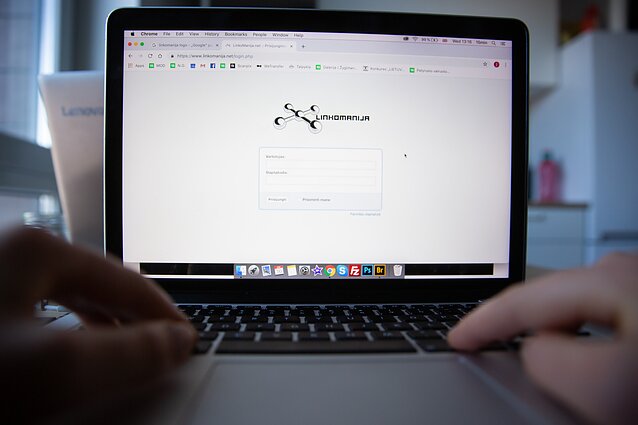
Linkomanija, the most popular torrenting site in the country, has been blocked for five years now. However, bypassing the restrictions is relatively easy.
Since July, therefore, the Lithuanian Radio and Television Commission has been issuing fines to people who illegally download films or other content, and several dozen people have been sanctioned so far.
“A person committing such an offence for the first time is fined 140 euros. If the offence is committed repeatedly, the fine is higher,” said Vadimas Gasperskijus, spokesman for the Lithuanian Radio and Television Commission.
The Commission says it can track when people are downloading pirated content.
“We can see them and their IP addresses and we cooperate with internet service providers to obtain information. When we identify the people who are downloading, distributing content, we contact them and ask for explanation. Once they have explained, we assess whether or not fine them,” says Gasperskijus.
The lawyer Andrius Iškauskas, who has represented copyright holders in court, says that the current measures against illegal downloads are quite sufficient – and online pirating should decrease in the future.
“The government has made it very clear to its citizens that no, we do not tolerate piracy, and even you, who are just users [of pirated content], are essentially pirates. And I think that, alongside other measures, it was a logical step that fits well into the overall anti-piracy effort and will reduce piracy,” says Iškauskas.

The Ministry of Culture says that websites offering illegal downloads even mislead users into thinking it is legal. Sometimes people download a film without realising they are committing an infringement. However, this alone will not help them avoid liability.
The ministry is now looking for contractors to help better implement anti-piracy laws. “The aim is to find a technological solution to help users distinguish between legal and illegal content. One of our recent studies showed that a quarter of users still cannot tell whether a website offers legal content or illegal content,” notes Deividas Velkas, spokesman for the Ministry of Culture.
The Lithuanian Radio and Television Commission says that when it contacts people about online pirating, they first ask for proof that they have actually committed the crime. The Commission does send them proof.

Newsletter
Every Friday morning.