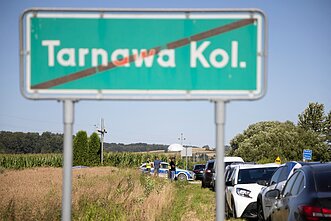
















A delegation of Lithuanian parliamentarians is going to Poland on Thursday to find out why support shipments to Ukraine are being held up at the border.
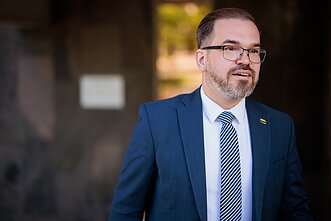
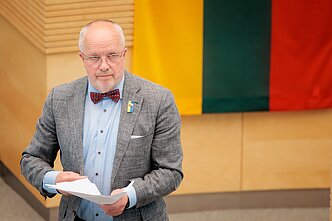
Conservative MPs Laurynas Kasčiūnas, who chairs the National Security and Defence Committee, and Žygimantas Pavilionis, chairman of the Foreign Affairs Committee, also plan to discuss defence and other common interests with their Polish counterparts.
Haroldas Daublys, head of the Šaulių Leičiai project, has said that shipments to Ukraine sometimes get held up in Poland, particularly if they include dual-use goods such as thermal imaging cameras and drones.
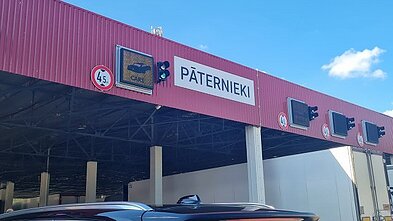
“I have encountered situations where the Poles are very careful about the cargo [...], they check, coordinate, clarify, ask for clarifications from their colleagues. And all this can take anywhere from five to 20 hours just in the Polish customs. Add to that that there is also a queue at the border, so it can take anywhere between six and 24 hours,” Daublys told LRT RADIO on Thursday.
According to Kasčiūnas, a Polish logistics company could be hired to speed up the transport of aid, as they have more rights in the country than organisations in any other EU country.
“This represents additional cost for those transporting support, additional time, a lot of bureaucratic hurdles. We understand that the process needs to be controlled, so that no black market develops. But on the other hand, things can certainly be done more simply. I think that Žygimantas and I will raise these issues today and tomorrow,” said Kasčiūnas.
Pavilionis said that logistical issues were left uncoordinated for a period of time before the October parliamentary elections in Poland.
However, he added, there are “positive signs” in the negotiations between Kyiv and Warsaw on the transportation of grain and other goods.
“I very much hope that those mechanisms for reconciling mutual interests between Kyiv and Warsaw will emerge and that we will all, together with Warsaw and Kyiv, resolve these problems quickly,” he said.
Kasčiūnas stressed that Poland has a “key role” as a regional leader and, together with the Baltic states, will shape the EU agenda for supporting Ukraine.

Newsletter
Every Friday morning.