












As talks with the Education Ministry are hitting a wall, the striking teachers’ union plans to take the negotiations to the Lithuanian parliament which begins debating next year’s government spending bill.
Representatives of the Education Workers’ Union and the minister of education are back at the bargaining table this week, as the teachers’ strike enters its third week.
The union is bringing its moderated proposal for one of the key requirement, raising teachers’ salaries. “The final offer is 15-15, this is as low as we can go,” says the union’s president Andrius Navickas.
Raising teachers’ pay by 15 percent from January and 15 more from September – by a total of 30 percent – is the union’s final proposal. However, the Education Ministry is not budging, insisting that 10-10 is the maximum the government can afford.

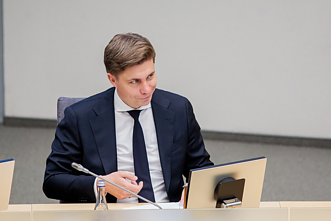
“And until there is an agreement on this, the trade union has said there will be no deal,” says Education Minister Gintautas Jakštas. “Wo we know where the point is that we can’t agree on. I would very much like that the state be able to raise as much as the trade union is demanding.”
The ongoing negotiations between the union and the Ministry of Education have hit an impasse, comments President Gitanas Nausėda.
“It is probably fair to say that the minister had almost nothing in his briefcase to offer for the negotiations,” Nausėda said on Monday. “And when the teachers’ union, which is on strike, visited [the President’s Office], they were ready for compromise offers, but in fact there was no compromise to speak of, because when they went to the Education Ministry, they found out that [the minister] would not move an inch.”
Both the union and the education minister are saying that the negotiations in the current format have run their course. The government has submitted its draft budget bill to the parliament, Seimas, so now decisions on next year’s public spending will be made there.

“Since the budget bill has gone to the Seimas, we are planning to move both the strike and the negotiations to the Seimas, and we are planning to go to the political groups and to talk to the MPs, because we think that the state is more than just the Ministry [of Education],” says Navickas, the president of the Education Workers’ Union.
Some of the striking teachers from Klaipėda, the city on the Baltic coast, are marching 300 kilometres on foot to Vilnius. They started the march on September 29 and have already walked some 250 kilometres.
“It’s just not possible to be silent anymore,” says Maja Petrovienė, history teacher and one of the marchers. “It will be on them if they leave things as they are and nothing changes. We have done our best and we will return from Vilnius to Klaipėda with dignity.”
Further reading
Teachers in Kaunas, which lies en route between Klaipėda and Vilnius, joined the marchers in solidarity for one day. Even though Kaunas tea say they support the idea of a strike.
“We are actually shocked by certain processes in the education system, by the fictitious contract that was signed last week,” says Mindaugas Grigaitis, a Lithuanian teacher from Kaunas, referring to a collective agreement that the Education Ministry signed with the other teachers’ unions.
“We think that this initiative and this union [Education Workers’ Union] best represent the teachers and their interests,” believes Grigaitis.
According to Navickas, the president of the Education Workers’ Union, if the parliament approves their proposed pay policy for teachers, they will go back to negotiations with the Education Ministry and seek a compromise on the remaining demands, key among them reduced class sizes. Both sides hope that a compromise on these issues can be reached.
Further reading

Newsletter
Every Friday morning.