
















Alcohol consumption in Lithuania fell by almost 7.5 percent last year, meaning on average everyone drank almost a litre less alcohol than in 2021. According to Statistics Lithuania, alcohol consumption simply returned to pre-pandemic levels, although people started drinking more spirits.
Can Lithuania still be considered a heavy-drinking nation? The World Health Organization has several times ranked it as the top-drinking country, even above Russia.
Data collected by Statistics Lithuania suggest that, on average, Lithuanians do not shy away from a glass, but comparing them to other nations is tricky, since countries use different methodologies to collect data. The World Health Organization’s rankings should therefore be taken with a grain of salt.
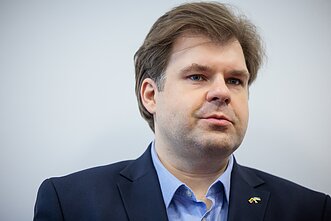
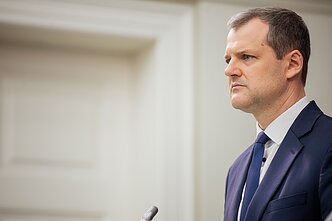
“We are a drinking country. And we are in the top ten. But Russians drinking less? You have to look at those figures critically,” says Jūratė Petrauskienė, head of Statistics Lithuania.
According to the agency’s data, last year the country’s population over the age of 15 consumed on average a little over 11 litres of pure alcohol.
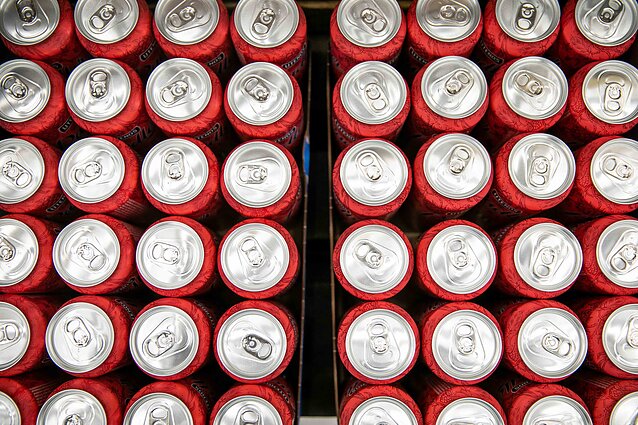
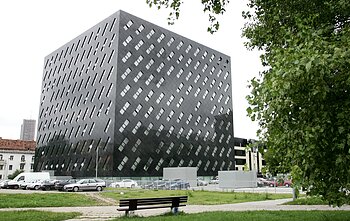
To give a sense of how much alcohol was consumed in 2022 in the country, the agency says that if it was all turned into beer and had to be stored, that would require eight buildings like the Prosecutor General’s Office.
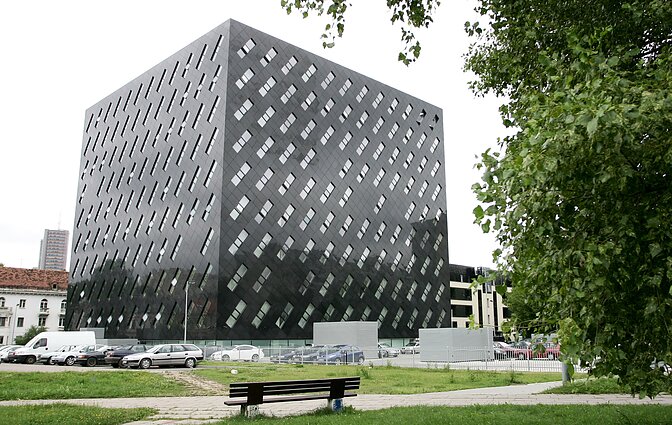
Alternatively, if one spent 15 hours looking at the flow of the River Vilnia, the amount of water would be equal to the beer measure.
“We are back to the pre-pandemic level,” Petrauskienė says about the drop in overall alcohol intake.
However, the consumption of strong spirits has gone up, as did the incidence of alcohol related diseases, rising above the levels before the Covid-19 pandemic.
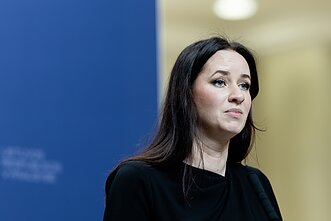
“The trend is upward, especially in mental and behavioural disorders, among both men and women,” says Živilė Našlėnė of the Hygiene Institute. “This is not a happy trend.”
Moreover, more children are diagnosed with alcohol poisoning, she adds.
Ignas Rubikas, head of the Mental Health Department at the Ministry of Health, says there is a need to educate young people.

According to Statistics Lithuania, the use of tobacco products, such as e-cigarettes and nicotine gum, doubled last year. Teenagers aged 15-17 are particularly receptive to new forms of smoking.
“The ministry looks to introduce so-called early intervention programmes,” says Rubikas. “These are programmes for young people who are still experimenting, who are not yet addicted.”
“What we know is that primary prevention works best because alcohol consumption serves to fulfil certain needs: sociality, communication, acceptance into a particular social group, relaxation. Those needs can be met in other ways,” he adds.
For example, the Australian government has entered into a serious battle with the tobacco companies over electronic cigarettes. The Australians have introduced bans on disposable e-cigarettes, limits on the nicotine content of e-cigarette liquids, and controls on imports.

Newsletter
Every Friday morning.