













School dances were big occasions for students in a small Lithuanian town. So when the school refused to pay teachers for supervising them after hours, the students went higher.
A disco boll still hangs in the dining hall of in the Juodupė Gymnasium in Rokiškis, northern Lithuania. It is a reminder of school dances that used to take place here.
Such events have to be supervised by adults, usually teachers, but it has been getting harder and harder to persuade them to stay in school and work after hours.
“Discos in schools cannot happen without adult supervision, and we do not have enough, there is no one to watch the dances,” says Dainora Mineikienė, headmistress of the gymnasium. “We have to pay them, because everything happens after working hours.”
Moreover, even if they’re paid, the teachers are reluctant to serve as security guards, staying vigilant that no outsiders get in.

Meanwhile, students say there is precious little entertainment for young people in Rokiškis, a town of under 12,000 people. They would like to see disco nights at school revived.
“Discos in schools are like community events. Everybody gets ready together, socialises. And young people need a party from time to time, to blow off steam and get together,” says Karolina Žeimytė, president of the Rokiškis District Student Council.
In order to revive school dances, students in Rokiškis have started looking for solutions themselves. They turned to the municipal authorities and asked for funds to pay for security.
And Rokiškis District Council granted their request.

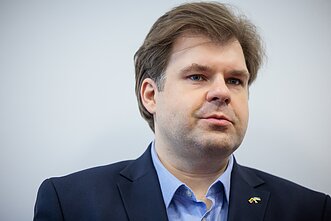
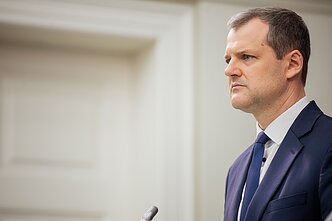
“The students have expressed that they need this kind of entertainment, but they also realise that it cannot happen without adult supervision. Teachers are asked to make sacrifices, to be on duty after work, not everyone wants to do it voluntarily. That is why we have decided to provide funds for schools to hire security,” says Rokiškis Mayor Ramūnas Godeliauskas.
Schools in the municipality will be able to apply for funds to hire security for events, he adds. Rokiškis District has set aside 5,000 euros for the purpose to be used until the end of the year.
Ordinary people in the town agree that kids need to have fun. “I think it’s necessary, in our time there used to be school dances, it was so much fun,” a resident of Rokiškis tells LRT TV.
“Of course it is necessary, how else are people going to blow off steam? Then they sit in front of computers and phones and do nothing,” says another man.
The authorities of Rokiškis promise that if the experiment succeeds, they will make available more funds next year.

Newsletter
Every Friday morning.