



Over 200 people have been recognised as ‘defenders of freedom’ over the last 18 months, after the status was formalised in a law. However, they do not include those who perished under Soviet tanks in January 1991.
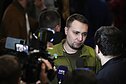
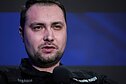
In January 1991, Gediminas Jankus was among those who defended the parliament building – called the Supreme Council at the time – from potential attacks by Soviet troops. Unlike most others, he had a formal role as the leader of riflemen. More than three decades later, he is officially recognised as a ‘defender of freedom’.
For Jankus, it is a moral recognition of “the sacrifice and determination of those who took the oath and remained faithful until the end”, he said.
A year and a half ago, the Lithuanian parliament passed a law, giving a formal definition of who can be recognised as defenders of freedom. The category includes those who have served in the Supreme Council’s Protection Unit, the National Defence Department, the Border Guard, the Voluntary National Defence, the State Security, the Police, as well as the former Riflemen.
But most importantly, ‘defenders of freedom’ are people who swore an oath to Lithuania when its fate was far from certain: between March 11, 1990, when it formally declared independence from the Soviet Union, and August 21, 1991, when it secured international recognition.
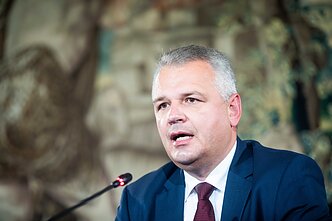
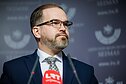
“That time is considered a risky period, people took risks when they went to serve in state institutions,” explains MP Arvydas Pocius, a member of the conservative Homeland Union (TS-LKD) party and the author of the law.

However, the definition in the law has raised questions for the relatives of those who perished on January 13, 1991. The hundreds who were wounded or killed on that night are not included as ‘defenders of freedom’, which is all the more confusing as January 13 is now officially celebrated as the Day of the Defenders of Freedom.
“It is strange that we publicly refer to some people as defenders of freedom, but the law describes them differently,” wonders Robertas Povilaitis, the son of a man who died on January 13.
MP Eugenijus Jovaiša, who was also among the defenders of the Supreme Council in 1991, admits that the name of ‘defender of freedom’ is important.
“It would be important for me too – for me, for my relatives and for my loved ones,” he notes.

The author of the law Pocius sees no contradiction, however, and says that those who were killed or wounded in January 1991 have been honoured with the status of ‘defenders of independence’.
According to Pocius, the difference between the two is that the ‘defenders of independence’ had the choice to stay or leave, while the ‘defenders of freedom’ had given the oath and had no such choice.
According to ‘defender of freedom’ Jankus, everyone was important but the roles were different: “There were many of them, and I respect them.”
In all, 208 people have already received the defender of freedom status, three applications have been declined.
MP Jovaiša promises to propose amendments and make the ‘defender of freedom’ status more inclusive. But MP Pocius sees no reason to do so: everyone has been honoured, he notes, and the status does not confer any material privileges.

Newsletter
Every Friday morning.