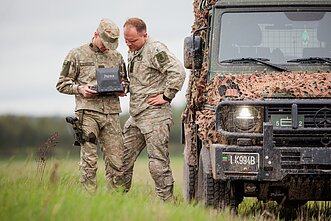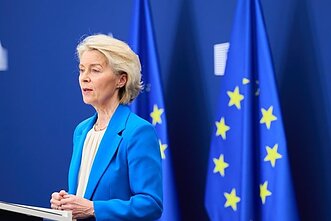













The Baltic states should prepare for Russia’s “next aggression against us”, Estonian Defense Forces (EDF) commander Lieutenant General Martin Herem wrote in an op-ed for the country’s public broadcaster, ERR News.
In the op-ed, Herem paints a bleak picture of the security outlook for the Baltic states even if the war becomes "frozen for some time" and Russian troops leave Ukraine, but retain the “ability to strike it from a distance”.
Russia will not abandon its claims on territories in Ukraine, writes Herem, adding that Russian children will continue learning that parts of Ukraine belong to Russia.
Now, Russian propaganda has shifted its attention from the “Nazis” in Kyiv to demonising the entire population of Ukraine, describing the war as a “crusade” and creating “step-by-step an emotional justification for genocide”.
Herem also argues that due to tens of thousands of dead and injured Russian soldiers, millions of their family members “really believe that Russia's enemies, ie Ukraine and the Western countries that support it, are to blame for these losses”.

Most prominent among the supporters, Herem writes, are also the Baltic states. All of this “could sustain the anger and hatred for decades”, he adds.
“No matter how Russia's aggression against Ukraine ends up, aggression, hatred and the need for revenge, as well as the belief in one's own power and right, do not seem to evaporate anywhere,” Herem writes.
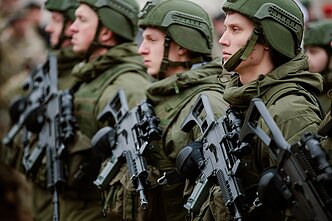
Although the focus should fall on Ukrainian victory, the Baltics must also “be prepared for the next aggression against ourselves, our allies, and our values” as Russia will still be able to amass firepower, and troops, and mobilise its industry for war means.
“You might be forgiven for thinking that Russia lacks modern technologies, but in order to build a "stupid", but massive and dangerous, army, you don't need a tonne of 21st-century tech,” he writes.
The general proceeds to paint an imaginary scenario of Russian aggression against the Baltic states “a few years from now”.
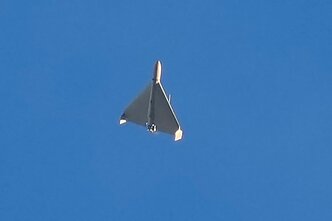
Russia could use the cover of military exercises to concentrate “1,000 tanks and 4,000 armoured personnel carriers, 1,000 artillery systems and 100,000 soldiers on our borders”.

“Does it make a difference for the average person, including trained reservists, whether they are facing a T-62 or T-72 tank?” Herem writes. “Does it matter to the residents of Jõhvi, Tartu or Võru, which type of missile, carrying at least 100 kilogrammes of explosives, hits them?"
Based on its annual production numbers, Russia could fire 166 artillery shells per kilometre of frontline every day during a month-long aggression.
“This is more than in Ukraine right now, where the active front line is, however, almost as long,” he writes. “This means that we must constantly and systematically develop our military capabilities.”
“We have no right to underestimate Russia's aggressiveness in the future, and there is also no reason to think that the defeat of the Russians in Ukraine would be the end of any danger lurking in wait for us,” Herem writes.
There is no single solution against Russia, “but it is possible to fight back”, he concludes.

Newsletter
Every Friday morning.