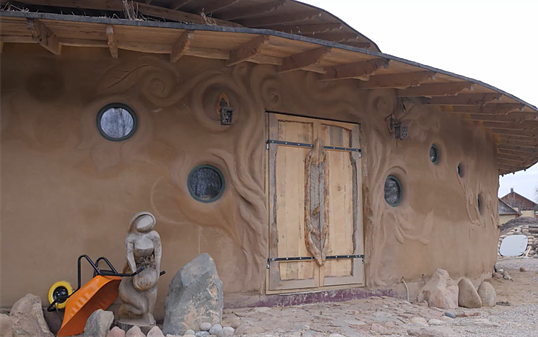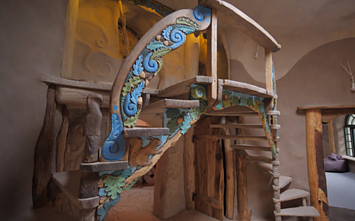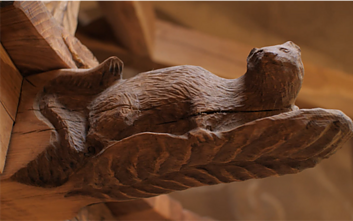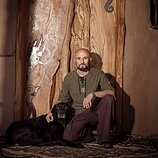













Artist Oleg Kovrikov has worked in theatre and as a psychotherapist, but is now also an architect. He is working on a unique 500 sqm fairytale house for children.
After building a house from clay, straw and earth for himself seven years ago, Kovrikov embarked on another project. Using the same materials, the artist has created a space for children.
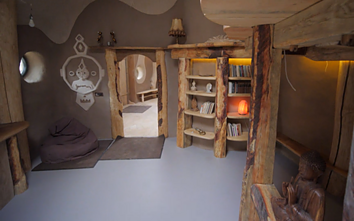
“Each room has its own atmosphere, its own feelings, its own mood. The challenge was not just to create a form – I wanted it to have a purpose. One room is more suited for calm, another for activity, another for reflection, and a fourth for creativity,” says Kovrikov.
A large team from all over the world contributed to this idea.
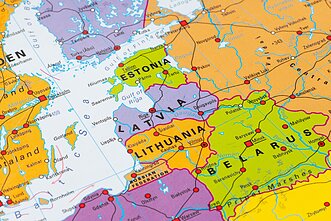
“It wasn’t just me, it was a big team, maybe 15 people. There were people from Belarus, the island of Bali and Spain,” says Kovrikov.
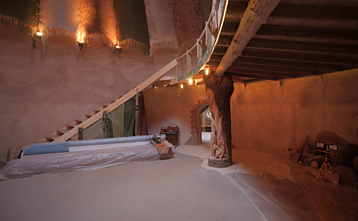
The house was built using straw and hempcrete, he notes. The whole dome is divided into several sections, which are accessed through a number of different exits and entrances.
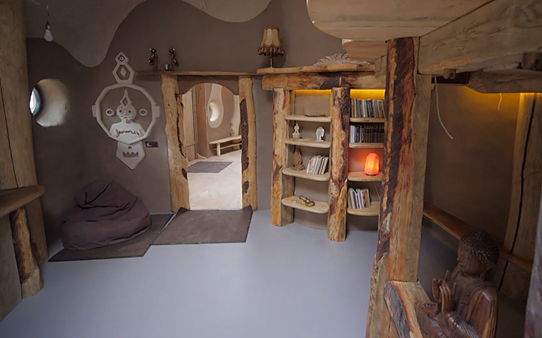
“The four-metre-high ring is divided into three sections. There are three passages from the dome to the outside. Each corridor has a room on both the right and the left, such as the kitchen, the teachers’ room and four classrooms, which we have divided into categories: for creativity, for the senses, for the mind, for the body and for the soul, and I call the last one the ‘calm room’,” says the architect.
When asked where he gets his ideas from, the artist says that everything comes from his inner child. But he also observes his offspring, who give him ideas on what decisions are better.
“Since this is for children, you go to your childhood, to your inner child. The fairy tales that you have lived with or dreamt about can be realised, materialised here. Sometimes I observe my children, I play with them and I learn how they communicate, how they occupy spaces. I am very happy that there is a kindergarten nearby and that the children come and have lunch with us. Then I see what paths they take, what they are interested in,” he explains.
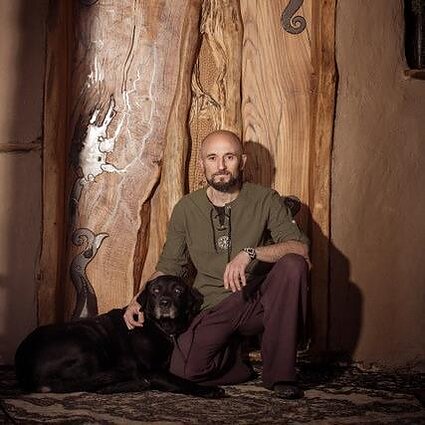
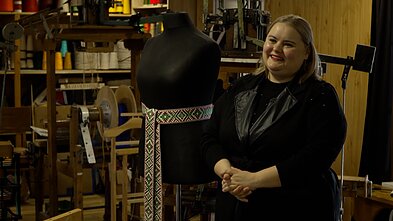
His team is made up of only 10 percent construction workers and the rest are artists, he says.
“My task in this project is twofold. In fact, I am like an ideological inspiration, because I discovered the original form and the purpose of the spaces, but I did not create them alone. If I were working alone, I would need executors, and they are usually only interested in money.”
The architect is delighted that he and his comrades have created an exceptional building.
“The biggest challenge for me was not to build a building, but to show that in such a chaotic period it is possible to come together and make a very bright, beautiful piece of work,” says Kovrikov.

Newsletter
Every Friday morning.