





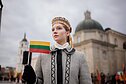



On June 23-24, the shortest night of the year, Lithuanians celebrate St John’s Day – or Joninės – combining Christian feast with pagan traditions. Next to bonfires and fortune-telling rituals, wreath making is an inseparable part of midsummer celebrations.
Celebrations of the summer solstice date back to Lithuania's pre-Christian history. Back then, the festival was called Kupolės – after herbs that were ritualistically collected on the day – or Rasos, literally, the Dew Festival.
Most of the midsummer rituals were related to agriculture to ensure bounteous crops and prosperity.
Unmarried women also used charms to predict when they would get married. They made garlands of flowers and herbs and threw them over their heads onto tree branches (the number of tries they needed was how many years before they would get married) or floated them in a lake (if two wreaths stuck together, wedding bells were expected within a year).

With the advent of Christianity, Rasos came to be identified with the Feast of Saint John the Baptist and was renamed Joninės. However, Lithuanians still nurture folk traditions on the shortest night of the year.
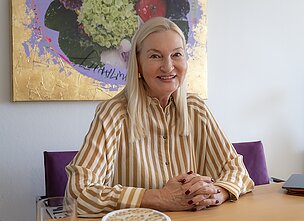
Gražina, a resident of Lithuania’s Panevėžys, has been making wreaths on the eve of Joninės for over 60 years. She says she has made thousands of them in her lifetime.
“In the old days, when we used to graze the cows, we used to make wreaths for the cows and get sweets for this. It was a very big reward for us. We used to celebrate Midsummer in the meadow, it was a very big celebration. We always made wreaths,” she remembers.
The woman believes that anyone can learn to make colourful wreaths, as it does not require any tools.
According to ethnologist Aušra Sidorovienė, today, as in the past, Midsummer wreaths are floated in the water, thrown into a well, or placed under a tree to summon good luck and love. But for this, it is also important to celebrate Joninės wholeheartedly.

“Let's come to Midsummer dressed in white [...] and be in communion, try to stay awake all night and have fun,” Sidorovienė says.
In ancient times, it was believed that those who spent the shortest night of the year in nature instead of sleeping would keep good health and strength throughout the year.
Read more: Rituals and traditions of Lithuania's midsummer festival Joninės

Newsletter
Every Friday morning.