












Lithuania will evaluate the technical and economic feasibility of deploying small modular nuclear reactors, as officials weigh energy security needs against concerns over cost and safety.
Representatives of the nuclear energy sector say that building several such reactors could secure a steady supply of relatively low-cost electricity. However, nongovernmental organisations remain sceptical, noting that no small modular reactors are currently operating in Western countries, raising questions about their safety and price reliability.
Small modular reactors, or SMRs, are a new generation of nuclear power plants distinguished by their smaller capacity, typically up to 300 megawatts, compared with traditional reactors that often exceed 1,000 megawatts.
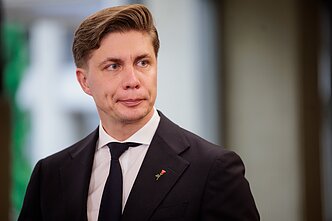
Energy Minister Žygimantas Vaičiūnas said Lithuania is gradually returning to discussions on nuclear energy for two main reasons: its historical experience in the field and the need to diversify energy sources.
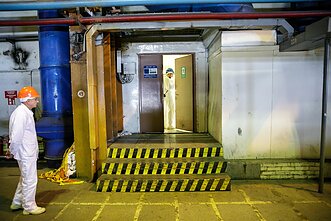
Ignalina Nuclear Power Plant in north-eastern Lithuania generated electricity between 1983–2009.

“Lithuania has a long history of nuclear energy, which means we have experience we can use,” Vaičiūnas said. “We are evaluating all options in the energy sector, and source diversification is important. We believe these technologies should be assessed responsibly.”
He added that the government aims to identify two or three SMR technologies this year for further evaluation, noting that the technology is advancing in the United States and that neighbouring countries are also considering similar projects.
Energy expert Vidmantas Jankauskas said opinions among specialists remain divided.
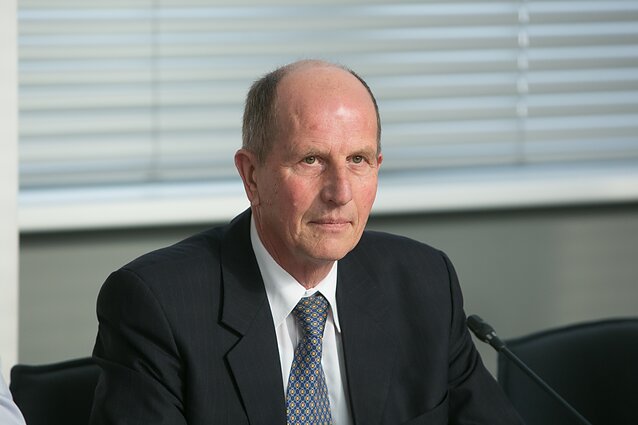
“Small reactors are not necessarily that small,” Jankauskas said, explaining that one key advantage is their modular design, allowing them to be assembled and delivered more quickly than traditional plants, whose construction can take eight years or longer.
He noted that while solar and wind power generate electricity in Lithuania, they cannot serve as baseload sources due to their variability. Nuclear plants, by contrast, can operate about 95% of the time, providing consistent output.
Jankauskas also pointed to growing electricity demand from major technology companies such as Google, Amazon and Microsoft, which are willing to sign long-term contracts to secure stable energy supplies.
Meanwhile, Poland is moving forward with plans to build its first large-scale nuclear power plant, even as it considers SMRs. According to Laurynas Vaičiūnas, LRT partner in Poland, the country has selected a US partner for the project, aiming to boost economic opportunities and attract American investment.
The project involves constructing three reactors north of Gdańsk, with the first expected to become operational by 2036. Initial construction work could begin as early as this year.
Vaičiūnas said Lithuania is not directly following neighbouring countries but remains open to new technologies.
“A decision has been made that Lithuania will not develop large-scale nuclear power,” he said. “As for small reactors, this option is being considered not only by Poland but also by Estonia. We must remain open to technology while making responsible decisions about the future.”
He added that while similar reactor technology has long been used in submarines, its commercial competitiveness remains uncertain, and Lithuania does not plan to be among the first adopters.

Newsletter
Every Friday morning.