















The 6 million euros raised for a Bayraktar is not the first time Lithuanians have chipped in to buy a combat plane. In 1943, Lithuanians of Chicago raised funds to buy a bomber for the US military.
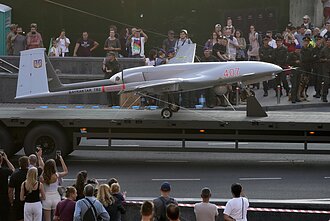
Earlier this month, people in Lithuania gathered over 6 million euros in just three days to buy a Bayraktar drone for Ukraine in an initiative organised by Andrius Tapinas, a journalist and public figure.
Read more: Turkey gifts Bayraktar drone to Lithuania to hand it over to Ukraine
But, according to historian Associate Professor Dr Juozaps Blažiūnas, this was not the first time that Lithuanian people raised funds for foreign militaries.
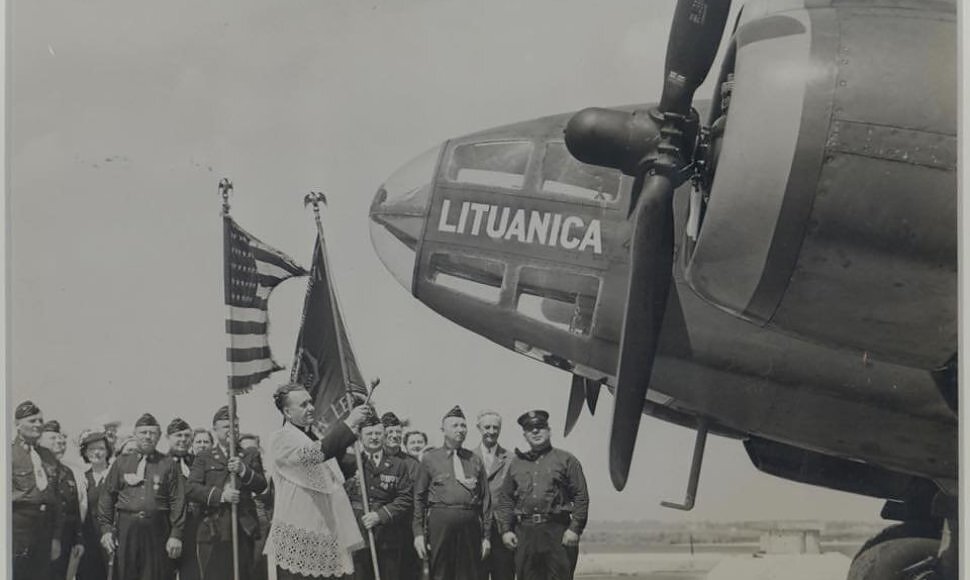
In 1943, the Lithuanians of Chicago gathered one million dollars – which would amount to 17 million US dollars today – for the United States Army and bought a bomber plane, naming it Lituanica.

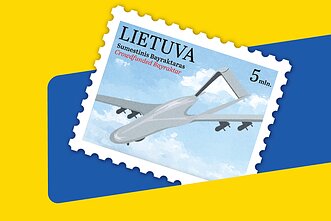
Read more: Lithuanian Post’s stamp to commemorate Bayraktar fundraising campaign
At the time, around 100,000 Lithuanians lived in Chicago, while 1943 was also the 10th anniversary of the flight of Steponas Darius and Stasys Girėnas across the Atlantic, as well as the 25th anniversary of Lithuania's independence. The country was then already under Soviet occupation.
The money was raised during a banquet on February 12 commemorating Lithuania’s February 16 declaration of independence. Antanas Smetonas, the last leader of independent Lithuania before the occupation, was also in attendance.
According to the historian, the bomber purchased at the military airfield was consecrated by the parish priest of the Holy Cross parish, Anicetas Linkus.
"The pilots were American, but they were given the Lithuanian flag," says Blažiūnas. "They congratulated the pilots, gave them the national flag and the plane took off, circled and, to put it nicely, flew off to fight the enemy.”
Donations losing pace

Luka Lesauskaitė of the Lithuanian Red Cross says she has noticed support for the Ukrainians beginning to decline.
"As far as the willingness to contribute physically, with our own hands, we can feel that too,” she said. “Three months ago, when we announced that we were looking for new volunteers, we received 12,000 questionnaires in five days, and people couldn't stand still, they were calling, texting, asking when they could start volunteering.”
“Today we have 17,000 volunteers, but it's mostly the same people who volunteer at the registration centres or our offices," Lesauskaitė added.
In terms of financial support, the Red Cross said that the public was very active in the first month.
"After announcing the short donation number, on the first day we collected over 200,000 euros, and during the Our Hands and Hearts for Ukraine campaign we collected over 3 million euros, all of which went to the Ukrainian people here in Lithuania.”
“Many people have already contributed in one way or another, donating money, giving away flats, donating items, organising events, showing other initiatives, so it is natural to feel tired or to realise that I have already done what I can do. But it is important to remember that the Ukrainians will still need our help," she added.
Karolis Peleckis, a representative of the Blue/Yellow NGO in Lithuania, said they had collected over 29 million euros.

However, the pace and amount of donations are slowing down and decreasing.
"At the end of February and the beginning of March, we could see over a million euros a day, and now, in the last 13 days, [just over] 680 000," he added.
According to Daiva Griknienė, the public relations officer of the Order of Malta Relief Service, there are several reasons why donations are declining.
“Previous donations and volunteering – 'I have already contributed' – the timing of the summer holidays, a drop in interest or acceptance of the situation, etc,” she said.
“At the moment, people are more willing to donate to various targetted campaigns, eg the Bayraktar [initiative], and less to basic human needs. And NGOs tend to take care of the basic needs of people, which is less attractive to the public", Griknienė added.

Newsletter
Every Friday morning.