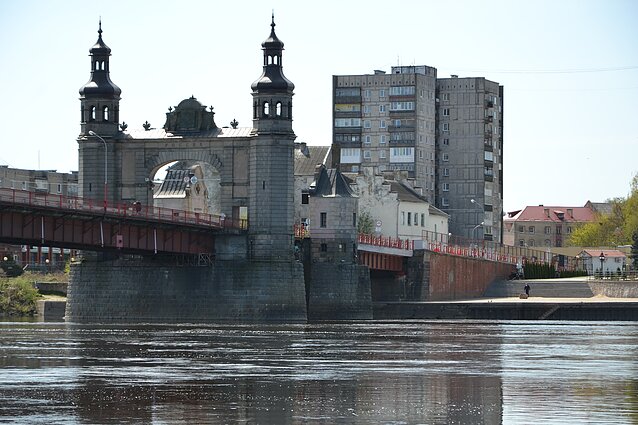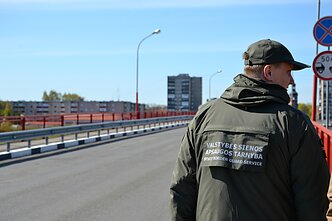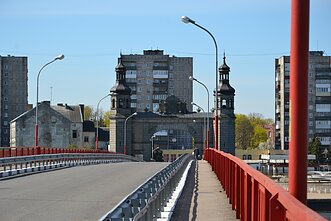












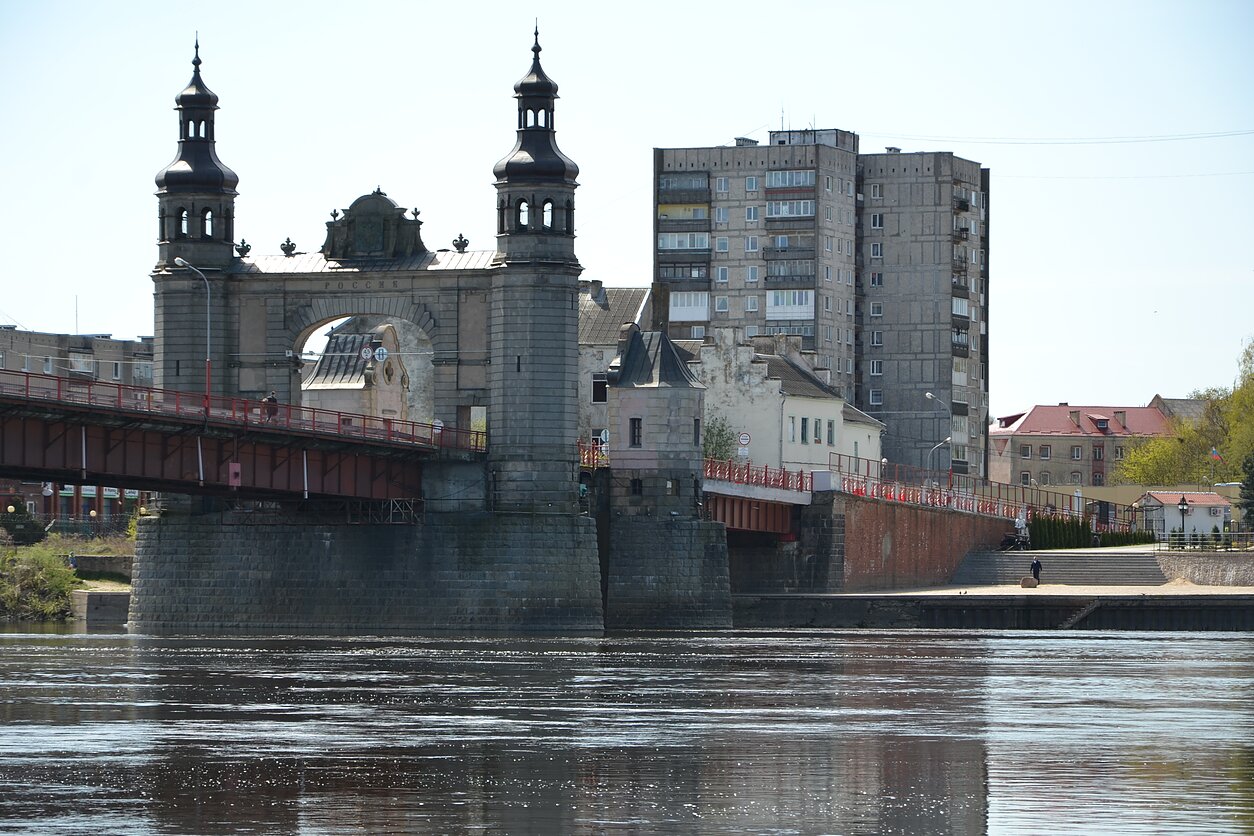
In Panemunė, Lithuania’s smallest town, the two banks of the Nemunas River are connected by the Queen Louise Bridge. A few steps along it, and you are in the Russian Federation.
Officers of the Lithuanian State Border Guard Service (VSAT), working at the Panemunė border checkpoint, tell about a minibus bearing the letter “Z”, a symbol of Russia’s aggression in Ukraine, which they saw on the Queen Louise Bridge after the start of the war. The vehicle did not cross the demarcation line and drove deeper into Russia after staying at the border for some time.
Residents of Panemunė also said that rumours about an armoured vehicle on the Russian side of the bridge have been circulating recently. According to the border guards, they checked the bridge after receiving reports but did not find the vehicle in question.
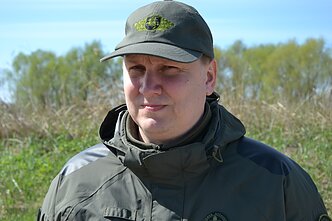
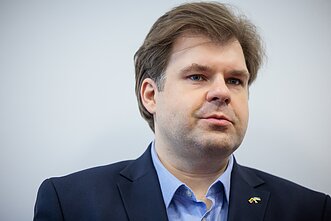
“There have been no provocations, and we certainly haven’t noticed any increased movement of Russian border guards or troops. I can reassure the public that there is no reason to panic about the threat from the Russian Federation,” said Gediminas Jucius, an officer at the Bardinai border checkpoint near Panemunė.
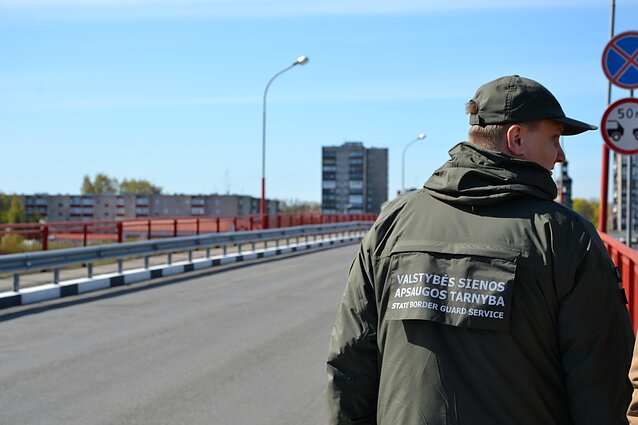
Pedestrian traffic
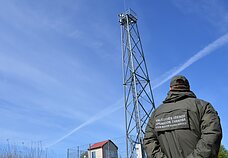
According to Jucius, Lithuanian border guards monitor the country’s border with Russia without interruption. For this, they use a video surveillance system. The CCTV cameras are installed in special towers on the riverbank and are controlled from the border post. Meanwhile, officers also patrol the river, as well as narrow paths along the banks of Nemunas.
Not only the Queen Louise Bridge but also the railway bridge connects Lithuanian and Kaliningrad. The trains that carry freight across the river run only during the day. However, the number of trains crossing the bridge has decreased recently due to the EU sanctions on Russia.
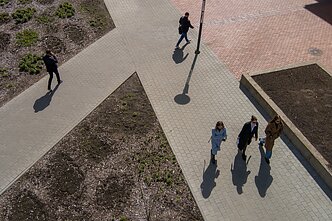
The Queen Louise Bridge, which connects the cities of Panemunė in Lithuania and Sovetsk in Russia became a pedestrian bridge on April 28, when Russia decided to close the car traffic because of the poor state of the arch on its side of the bridge.
“We have not received any official information from the Russian border guards as to when the traffic will be resumed. They only said that they will inform us when the arch of the Queen Louise Bridge will be repaired,” Jucius said.
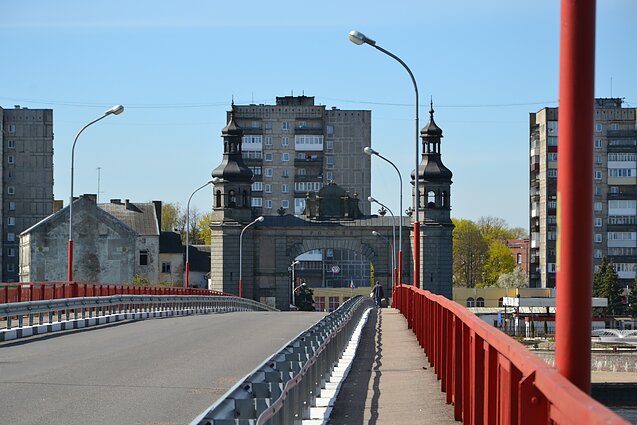
Only pedestrians are currently allowed to cross the bridge. According to the VSAT officer, around 150 people cross the bridge in both directions each day.
“The traffic is higher from Russia’s side due to its citizens travelling to Lithuania or in transit through Lithuania,” Jucius said, adding that there are no restrictions for Russian citizens, who have visas and other valid documents, to enter Lithuania.
Normal life
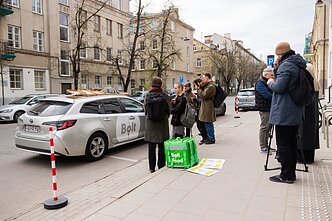
People crossing the Queen Louise Bridge spoke about their life between the two countries.
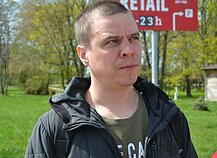
“I was here for work. I signed a contract, and now, I will work here,” said Andrei from Sovetsk, who got a job in Lithuania and will soon start crossing the bridge every day.
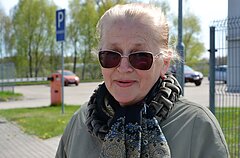
Olga, who lives in Klaipėda, travels to Russia twice a year to visit her grandchildren and other relatives. She left her car at a paid parking lot outside a bar in Panemunė, while she recently spent four days in Russia.

“It would be best if things were as they were before,” said Olga about the inconveniences caused by the closure of the car traffic on the Queen Louise Bridge.
According to her, life in Russia has not changed.
“Everything is fine. The shops are full. I bought two kilos of salt – I plan to pickle cucumbers. The kids are not planning to go to Lithuania – they are working, life is good,” Olga said.
Less than 200 people are currently living in Lithuania’s smallest town Panemunė. Meanwhile, around 40,000 are residing in Sovetsk, just a few hundred metres away.

Newsletter
Every Friday morning.