










LRT English is partnering up with Lithuanian Dream to bring you a weekly English-language podcast. In the new installment, Arūnas Borisas, a guide at the Museum of Occupations and Freedom Fighters, tells us about the KGB and why it was so feared.
The Soviet KGB, or the State Security Committee, in addition to conducting intelligence and counter-intelligence, was in charge of tracking and repressing any domestic opposition to the Soviet regime.
“[In Lithuania] it was the main tool of the occupying power to keep people in total fear and ensure obedience,” Borisas summarises the organisation's role.
With Lithuanians mounting a particularly strong and lasting resistance to the Soviet rule, the KGB developed extensive operations in the country. Even after the post-war resistance was effectively crushed in the 1950s, it remained a formidable force.
“The KGB was spying on the so-called disloyal citizens. For example, former political prisoners, deportees, dissident priests. They were also controlling people who were going abroad or returning from abroad,” says Borisas. KGB agents were also inspecting international letters and parcels and listening in on phone conversations.
In the 1970s, for example, the KGB headquarters in Vilnius had a staff of 700; 114 more employees were stationed in Kaunas and 70 in Klaipėda.

While individuals flagged as potential dissidents merited targeted spying operations, the KGB kept a looser network of agents in schools, research institutions, key industry organisations.
“It was enough to just have one spy somewhere in a school, for example, among coworkers – they'd just come and ask you, hey, what do you think about what's going on in the country, is everything ok? And if you say, I think politics is wrong, then the KGB can invite you to come for a talk,” Borisas explains.
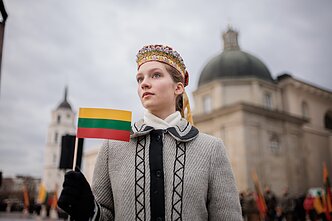
If the criticism was innocuous enough – for example, that there aren't enough schools in the region – KGB agents would simply have a chat with you and explain why you're wrong. For more serious ‘crimes’ – like displaying a Lithuanian tricolour flag – a person could risk losing their job or even ending up in prison.

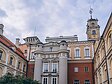
The KGB headquarters in Vilnius now houses a museum. Borisas says that people react to the displays – which cover Soviet and Nazi oppression during World War Two, the occupation and life of deportees in Siberia – in different ways, but most come out with the strongest impression from the building's basement where the KGB cells are preserved.
“Nobody leaves the basement not being emotionally touched,” he says.
Listen to the full episode of Lithuanian Dream Podcast on Soundcloud or on Spotify below.

Newsletter
Every Friday morning.