









There seems to be little consensus in Brussels on how to deal with Moscow. Diplomats call the EU’s approach to Russia outdated, while Russian officials say relations are “destroyed".
EU policy and relations with Russia are now based on five principles: the implementation of the Minsk agreements on the war in Ukraine; improving relations with the EU’s Eastern Partners and other countries; strengthening the EU’s resilience; direct people-to-people contacts and support for Russian civil society.
“Objective historical processes are taking place and they will take time. Yes, there is no strategy, but I don't think anyone is to blame for that,” said Kadri Liik, an expert from the European Council on Foreign Relations (ECFR).
The principles are a “compromise” which is acceptable for countries that want to cooperate with Russia and those who don’t – foremost, the Baltic states and Poland.

'Dead end'
Brussels’ most recent attempt to reach out to the Kremlin ended in a fiasco when the EU's top diplomat Josep Borrell was “humiliated” in Moscow. Meanwhile, French President Emmanuel Macron's efforts to create a new European security architecture that would include Russia have gone little further than declarations.
According to observers, the Kremlin is trying to strengthen its position in domestic politics by playing hardball with the EU. This has created an unexpected challenge in Europe's relations with Russia.
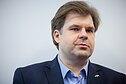
“It only becomes more difficult to have good relations with the EU, which means that it will only become more dependent on China,” said Sven Biscop, programme director at the Egmont Institute in Belgium. “If I were in Moscow, I would be really worried not about the EU, but about China’s growing power and influence in all former Soviet republics.”
After his visit to Moscow, Josep Borrell expressed regrets that Russia was “moving away from Europe”. Meanwhile, an increasing number of Russians do not see themselves, or their country, as European, according to a survey by the Levada Center.
“Russia has pushed itself into a dead end with such maneuvers, [...] which leaves us with very limited choices,” said Biscop.
The EU risks being pushed out
There is a widespread perception among Russia's foreign policy makers that the EU’s power will diminish in the future, economic motives will outweigh principled positions, leading to favourable transactions for Moscow.
When Josep Borrell consulted EU Ambassador to Moscow Mark Ederer over lunch last week, the diplomat allegedly said the EU’s approach was outdated and too focused on the war in Ukraine, Bloomberg reported on March 13.
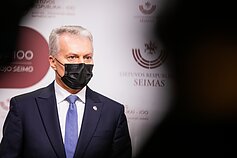
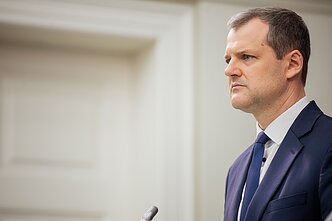
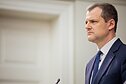
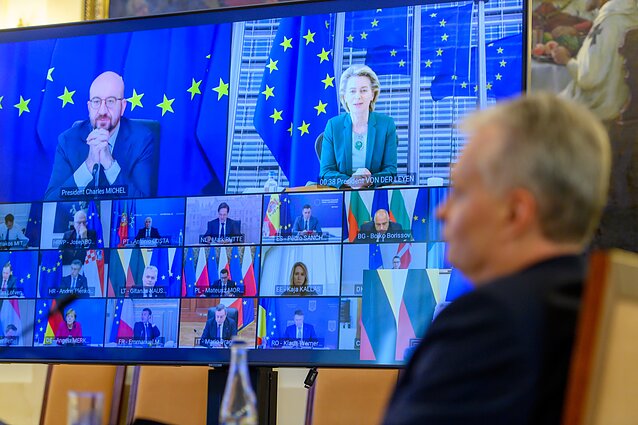
Lithuanian President Gitanas Nausėda, however, called on the EU to take a “strict and principled position towards Russia” and to work on implementing the Minsk ceasefire agreements between Ukraine and the Russian-led separatists.
Yet, attitudes in EU countries are changing not so much due to public humiliations of diplomats, but due to growing warnings about the Kremlin’s harmful activities across the continent.

“All member states are victims of harmful cyber attacks by Russia. Even my country, Belgium, is becoming a target in cyberspace,” said Biscop.
Growing competition among the world’s major powers – the United States, China and Russia – in which EU leaders are declaring “strategic autonomy”, is also worrying.
“I hope that as the competition for great power intensifies, the member states will realise that they will have to act as a united EU in order to defend their interests. Otherwise, Europe will become a stage for great power rivalry without anyone caring about our interests,” said Dr Sven Biscop.
This understanding is becoming more prevalent in Paris, Berlin and elsewhere – no single European country can equal Russia or China.
"The EU has become a foreign policy actor as our rules and norms spread. We are now in a defensive position. This is an important change and it will take time to adapt,” Liik told LRT.lt.
Europe needs to adapt to the reality that the world no longer reflects its own outlook, she added.

Baltic compromise
The Baltic states, Poland and other countries in Central and Eastern Europe are sceptical about attempts to establish a dialogue with Moscow. Previously, Lithuanian Foreign Minister Gabrielius Landsbergis called on the Kremlin to take the first step and allow free elections to take place in the Duma next autumn.
Moscow had hoped that the EU would not be able to maintain sanctions for aggression against Ukraine, but Brussels recently imposed additional sanctions for the poisoning of Alexei Navalny and human rights violations in the country.
Such steps are first and foremost necessary for the EU itself to express its dissatisfaction with the situation. “We need to realise that sanctions will not affect Russia’s behaviour [in the short term] but it is necessary to show a position,” Liik said.
The question arises as to what the EU should seek to achieve in its interactions with Russia.
“As long as the Russian regime enjoys confrontation with the EU’s domestic policy goals, we can only show strategic patience and say that we will adhere to sanctions. Perhaps we can remind Russia that we will implement the green course, diversify energy sources and reduce our dependence on Russian resources,” said Biscop.
“If I were Russian, I would really think about it,” he added.
However, the idea that it is possible to steer Russia towards democracy, without the society playing the lead role, is an illusion.
“Russia's democratisation, as it seemed in the 1990s, would of course mean a much closer relationship with the EU than it is now. We must make it clear that Russia’s choices will have consequences. And then the Russians will have to decide how they want to treat their country,” said Liik.
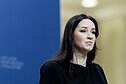
According to Raik, Russia will not abandon its goal of weakening the EU. The goal for Brussels, therefore, is to increase the cost that the Kremlin has to pay for its harmful activities.
“Eventually, the day will come when changes will take place in Russia that will change our forecasts and policies, but it is impossible to predict when and how this will happen,” she said.
The story, including quotes by experts, have been translated from Lithuanian.

Newsletter
Every Friday morning.