












Stumbling Stones, a series of stories by LRT RADIO, pays tribute to some of the most accomplished Litvaks born in Lithuania.
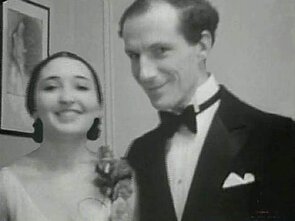
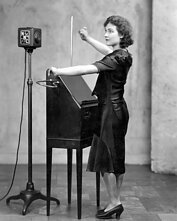
Clara Reisenberg Rockmore was a pioneer of electronic music who helped perfect the theremin, an electronic musical instrument.
Born in 1911 in Vilnius, to a Lithuanian Jewish family, Clara enrolled at Saint Petersburg Royal Conservatory at the tender age of four – the youngest student in the institution's history.
When she was 10, Clara's family emigrated to the United States.
Even though she studied to be play the violin, health problems prevented her from pursuing this career.
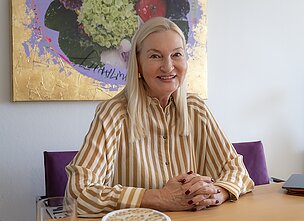
“She probably had not envisaged any other future for herself than to be a violinist. When she moved to the United States with her family, she continued studying violin for a short while, but then she had some strange joint problems [and] she simply couldn't play anymore,” says author Elena Gasiulytė.
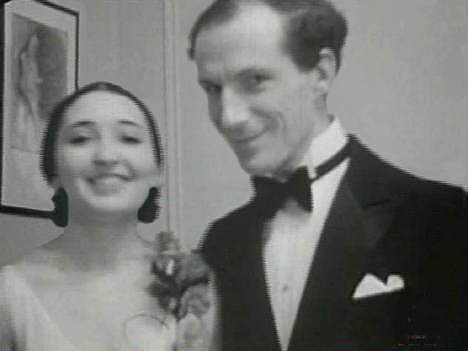
Reisenberg suffered from tendinitis, attributed to childhood malnutrition, which affected her bow arm.
So instead, Clara started playing the theremin, an electronic instrument that is controlled without any physical contact by the performer.
It is named after Léon Theremin who patented the device in 1928.
“At the time, Clara was probably more famous than the instrument's inventor,” says Gasiulytė.
Reisenberg played and helped perfect the novel instrument. “Everyone called her the theremin diva.”
Theremin, an engineer from Russia, proposed to Clara several times, but she refused. In 1933, she married lawyer Robert Rockmore and started performing under his name.

Despite playing an utterly modern instrument, Clara was more traditional in her approach to repertoire. She would play classical pieces on theremin and perform in traditional concert halls.
“There's a curious incongruity in her performances – this weird, phantom-like electronic sound [of the instrument], but the melody she plays is, say, Bach,” according to Gasiulytė.
This is what may have prevented Reisenberg from playing a more central role in the history of electronic music.
“She did not attempt to make novel musical compositions, she only used a very novel musical instrument,” Gasiulytė says.
As a result, she adds, Reisenberg is difficult to classify: neither an avantgarde musician, nor a classical player.
Read more:
Stumbling stones. Litvak novelist campaigning for Lithuanians who saved Jews
Stumbling stones. Danielius Dolskis, Lithuania's first king of Schlager music
Stumbling stones. Ilgovskis brothers, the developer tycoons of interwar Kaunas

Newsletter
Every Friday morning.