













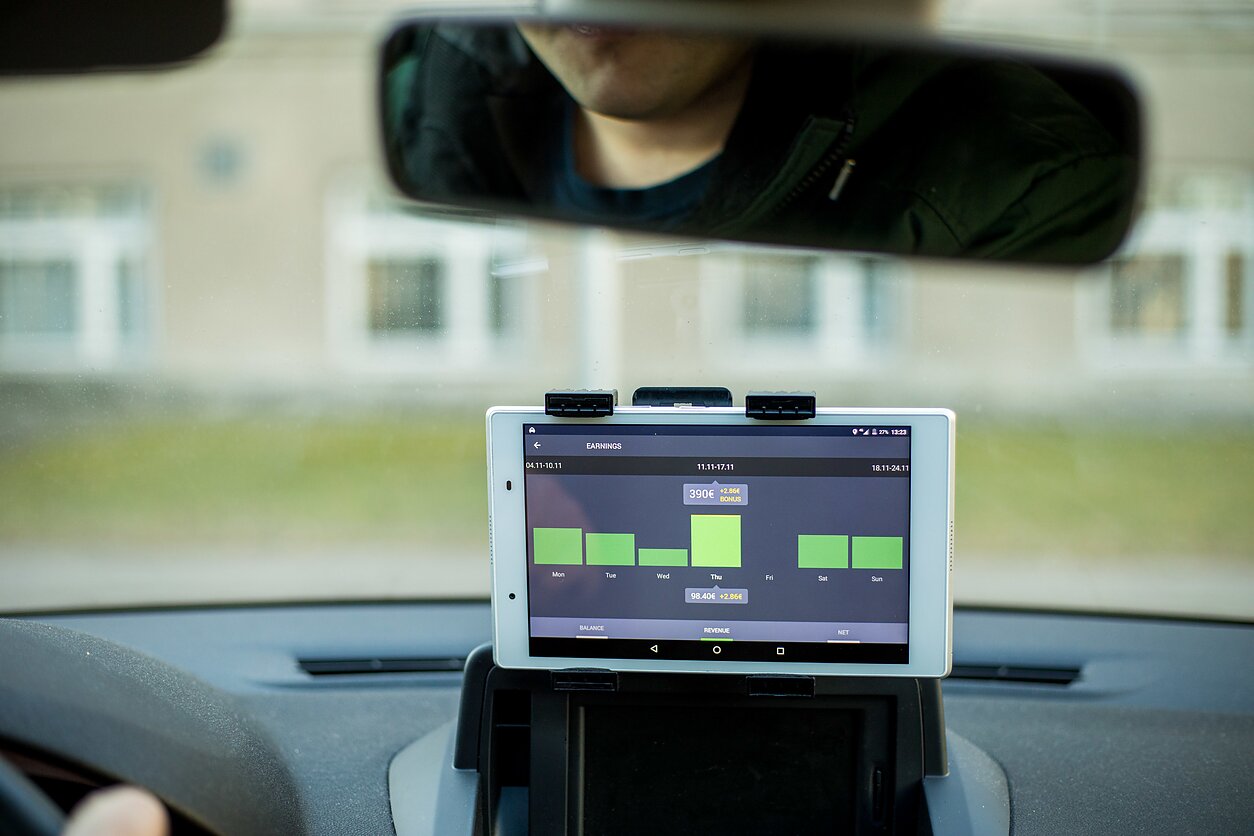
Lithuanian authorities are planning tighter controls on ride-hailing drivers after inspections in Vilnius and Kaunas uncovered widespread violations, including vehicle safety deficiencies, improper insurance, traffic offenses and unpaid taxes.
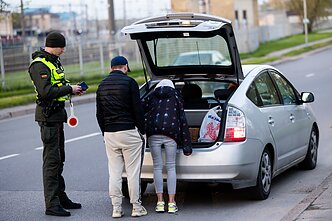
Transport Minister Juras Taminskas said more than 80% of ride-hailing drivers inspected in Vilnius and over 57% of those checked in Kaunas had committed violations during three special enforcement operations in recent weeks.
The most common violations involved failure to comply with mandatory vehicle inspection requirements, improper vehicle markings, insurance and documentation discrepancies, migration violations and breaches of traffic rules, he said.
“There are quite a variety of violations. We are recording a particularly large number of discrepancies related to technical inspections,” said Remigijus Lipkevičius, head of the Lithuanian Transport Safety Administration (LTSA).

Under current rules, vehicles up to five years old used for ride-hailing services must undergo technical inspections annually, while older vehicles must be inspected every six months.
Lipkevičius said some drivers were attempting to circumvent the requirements by obtaining inspection certificates valid for 24 months rather than undergoing inspections twice a year. Others were choosing cheaper insurance policies instead of coverage specifically required for ride-hailing services.
Taminskas said 12,630 permits had been issued for ride-hailing activities in Lithuania.
Of those operating in the sector, 5,000 had outstanding debts to the state, including 900 foreign nationals. One driver alone owed the state approximately 1.5 million euros, although the minister stressed that the debt was not necessarily related to ride-hailing activities.
The total outstanding debt among people working in the sector amounts to approximately 9 million euros, he said.
“Someone who owes money to the state cannot engage in ride-hailing activities. It will be up to the LTSA to ensure that people with outstanding debts to the state cannot work as ride-hailing drivers,” Taminskas said.
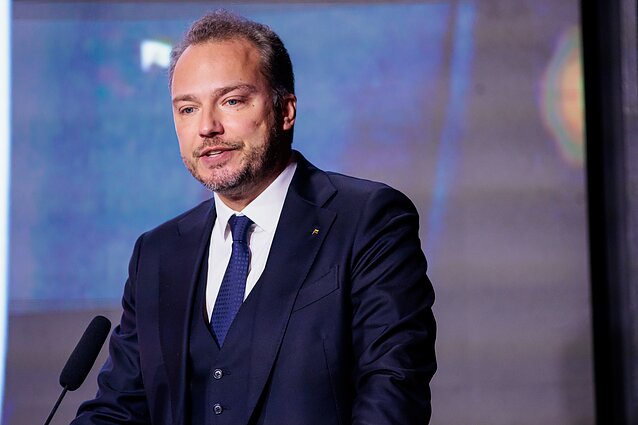
He described the situation as unacceptable and said the government would strengthen enforcement, improve information-sharing between institutions and prepare legislative amendments to close regulatory gaps.
More roadside inspections are planned, with additional funding for the LTSA and police to be included in next year’s budget, he said.
“The main goal is finally to put the ride-hailing sector in order, so that everyone feels safe when ordering a ride, traffic rules and other requirements are followed, and taxes are paid to the state,” Taminskas said.
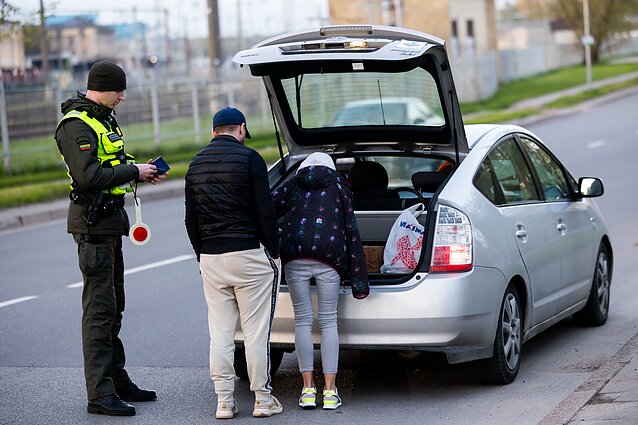
Police Commissioner General Arūnas Paulauskas said enhanced roadside checks would continue while authorities awaited legal changes requiring ride-hailing vehicles to display more visible identification.
He said clearer markings would allow police officers to identify ride-hailing vehicles more easily during routine patrols, rather than only during specially organised enforcement operations. Officers would then be able to stop the vehicles and check drivers’ documents and sobriety.
Meanwhile, the LTSA is considering introducing mandatory examinations for prospective ride-hailing drivers, as well as a test on customer service standards.
Under the proposed system, applicants would have to complete training courses and pass the examinations before receiving a permit to operate, Lipkevičius said.

Newsletter
Every Friday morning.