














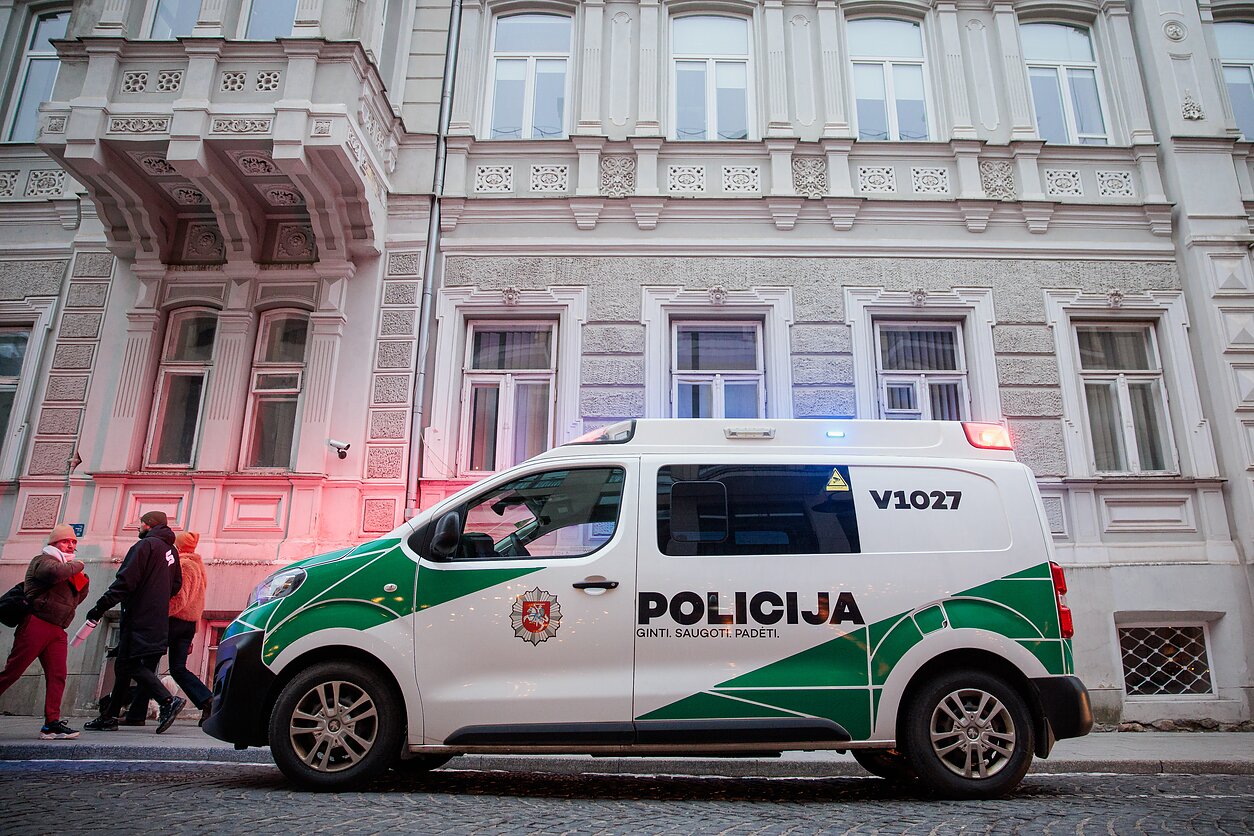
Lithuania continues to have the highest intentional homicide rate in the European Union, but it has also recorded the bloc’s most significant improvement over the past decade, according to Eurostat data.
The country recorded 2.63 intentional homicides per 100,000 inhabitants annually, the highest rate in the EU, followed by Latvia, Estonia and Finland, Eurostat reported Wednesday.
Although Lithuania has traditionally topped the bloc’s homicide statistics throughout much of its post-independence history, the longer-term trend offers some grounds for optimism. A decade ago, the rate stood at 5.27 homicides per 100,000 inhabitants, meaning it has halved – the largest decline among EU member states.
The change is even more striking when measured in absolute numbers. In 2024, 74 people were intentionally killed in Lithuania, compared with 560 in 1994.
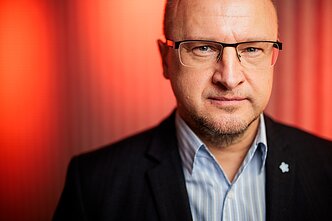
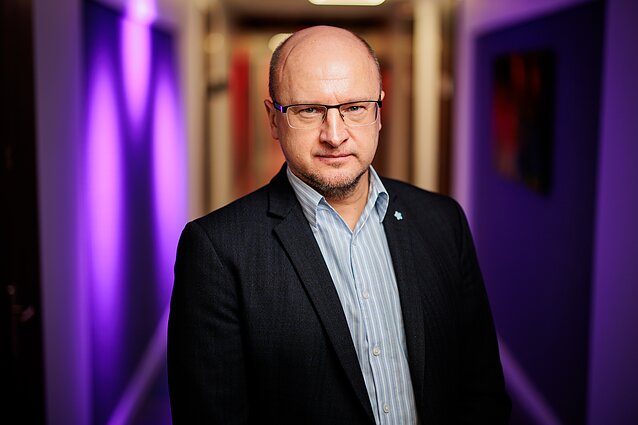
However, the country’s persistently high ranking reflects deeper social and cultural problems, according to Gintautas Sakalauskas, a criminologist and associate professor at Vilnius University.
A legacy of violence and aggression
Sakalauskas said Lithuania, Latvia and Estonia had historically recorded the highest homicide rates in Europe, pointing to a culture of violence, aggression and disrespect.
Some of the underlying causes, he said, can be traced back to childhood, infancy and upbringing.
“Statistics show that there is a great deal of aggression. Other indicators point to the same thing: domestic violence and bullying in schools,” Sakalauskas said.
Lithuania also stands out for its number of serious bodily injury cases. Violent incidents in the country are more likely to result in death or severe injuries than in many other European countries, he said.

“There are quite a lot of cases in which a person is struck repeatedly with various objects and seriously injured – 50 or 60 blows,” the criminologist said, describing the brutality sometimes involved in violent crimes.
At the same time, Sakalauskas urged caution when comparing homicide statistics between countries, as legal definitions and criminal classifications differ.
Lithuania applies a relatively broad definition of intentional homicide, including cases involving indirect intent.
“For example, if someone punches another person in the face, the victim falls, hits their head on the edge of a sidewalk and dies, this is classified as intentional homicide with indirect intent,” he said.
In Germany, the same incident would probably be classified as serious bodily injury resulting in death rather than intentional homicide, he added.
The typical circumstances surrounding homicides in Lithuania often involve people from the same social environment and gatherings where alcohol is consumed.

Men most frequently kill other men to whom they are not related, while women are more likely to kill men close to them, Sakalauskas said.
Lithuania also has one of the EU’s highest suicide rates. According to the criminologist, the two phenomena share some underlying causes.
“Some people direct their anger outward, for example, immediately reaching for a knife or striking someone, while another person slams the door and walks away or takes their own life. It all comes from the same root,” he said.
Harsher sentences are not the answer
Despite the substantial decline in homicides, Sakalauskas warned that the pace of improvement could slow in the coming years.
He attributes the progress so far largely to cultural changes and improvements in social relationships.
“Relationships are changing, attitudes toward other people are changing, and there is less aggression,” he said.

He rejected suggestions that tougher criminal penalties were responsible for the decline, noting that homicide rates had fallen even without the repeated calls for harsher punishment that often follow particularly brutal crimes.
Nor should alcohol consumption be treated as the sole explanation for violence, he said.
“Many people drink alcohol. A few percent of the population drink heavily and intensively, but they don’t kill anyone. It is just one factor in a complex combination of causes,” Sakalauskas said.
European trends and hidden crimes
Homicide rates have declined in most European countries over the past decade, although some have recorded increases, including France, Croatia, Austria and Germany.
Sakalauskas said the increases were relatively small and that their causes were difficult to establish. He also cautioned against linking them to migration.
“This is a long-term trend, not just a matter of the past 10 years. On the other hand, homicides account for a very small share of overall crime in any country,” he said.
Lithuania records approximately 50,000 criminal offenses annually, of which about 75 are homicides, he noted.
“That tells us something, but far from everything,” he said.
The criminologist also pointed to the problem of unreported or undetected killings, which account for a small but persistent share of homicides.
These can include cases of missing people whose deaths are never discovered, as well as potential abuses by medical professionals that may remain undetected for years.
Sometimes unidentified bodies are found in forests, with no one reporting the person missing.
“An examination is carried out, but if nobody has reported the person missing, there is no further difference. The person is buried at municipal expense, and that is it,” Sakalauskas said.

Newsletter
Every Friday morning.