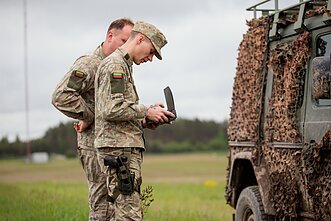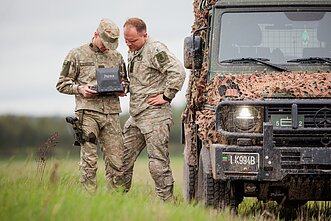














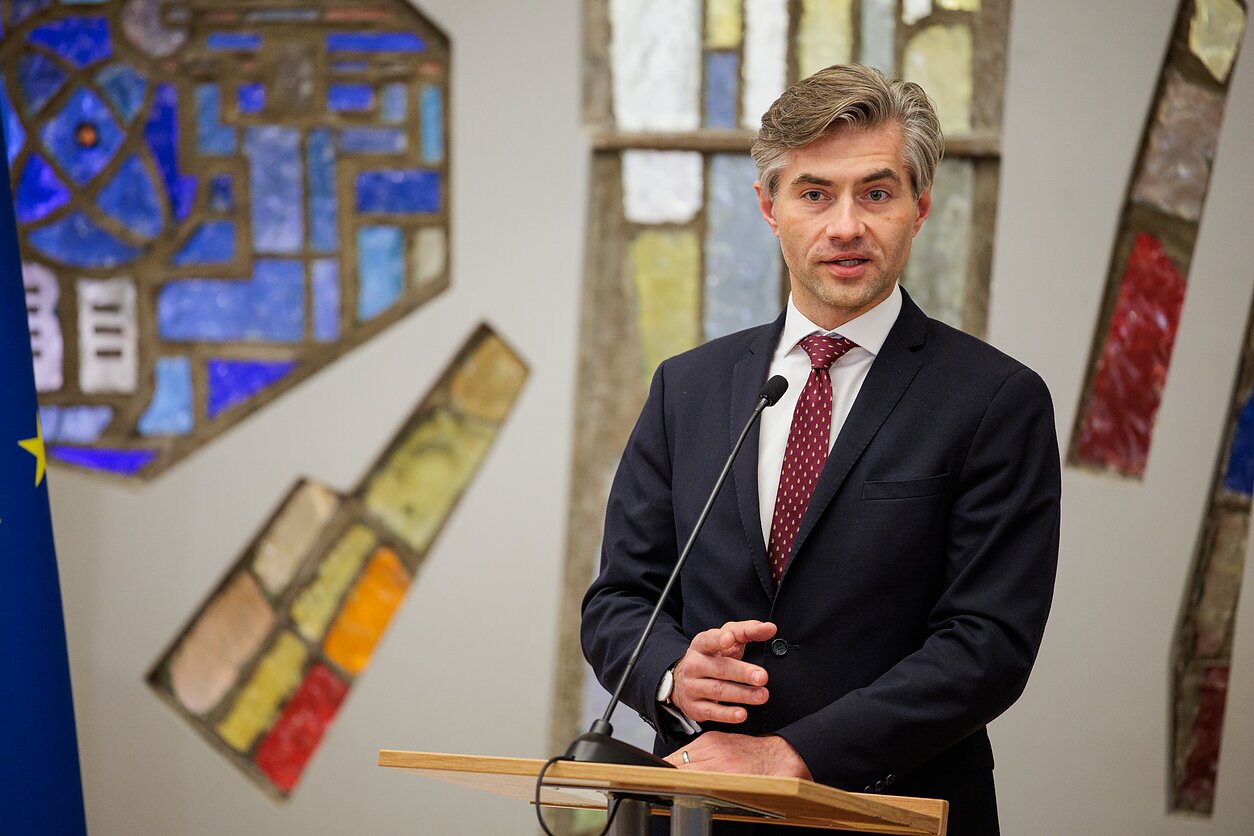
Lithuania’s Foreign Minister Kęstutis Budrys says his recent comments about NATO’s ability to neutralise military capabilities in Russia’s Kaliningrad region were intended to counter what he described as Moscow’s exaggerated narrative about the exclave’s strength.
“First of all, my remarks were not intended for Russia, and I was not speaking to any propaganda outlet,” Budrys said on Tuesday.
He said his comments were directed mainly at audiences less familiar with military matters.
“When we convince people that our deterrence is effective and can remain effective – and deterrence means peace and long-term peace – then everything else will also begin to normalise,” he said.
In an interview last week with the Swiss newspaper Neue Zürcher Zeitung, Budrys said NATO had the capability to destroy Russian air defence systems stationed in the Kaliningrad region.
According to the minister, the remarks were intended as a response to claims that Lithuania is vulnerable because of the Suwałki Gap – the narrow corridor linking the Baltic states to the rest of NATO territory.
He argued that such perceptions are heavily influenced by Russian propaganda.
“Russia creates these ‘bubbles’ suggesting that air defence systems in Kaliningrad can strike targets across Lithuania, or that coastal defence systems could sink the entire NATO fleet,” he told Lithuania’s national broadcaster.
“They have partly achieved their objective by creating the impression that Kaliningrad is a fortress preventing NATO forces from approaching,” he added.
Budrys said such narratives harm not only Lithuania’s security image but also its economic attractiveness, and that he wanted to “break this narrative” by highlighting NATO’s capabilities and Lithuania’s resilience.
President Gitanas Nausėda said the minister’s remarks to the Swiss newspaper were “not the most successful”, although he warned against what he described as attempts to create a “lynch mob” against Budrys.
Prime Minister Inga Ruginienė also called for restraint in public statements on security matters.

Newsletter
Every Friday morning.