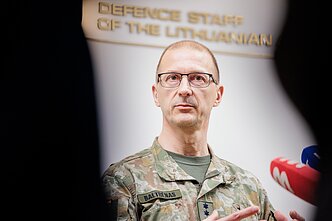






Reported changes to United States troop deployments in Europe pose no threat to NATO’s eastern flank, while Ukraine’s ability to strike targets deep inside Russia is strengthening Kyiv’s position in the war, NATO International Military Staff Director General Remigijus Baltrėnas said on Friday.
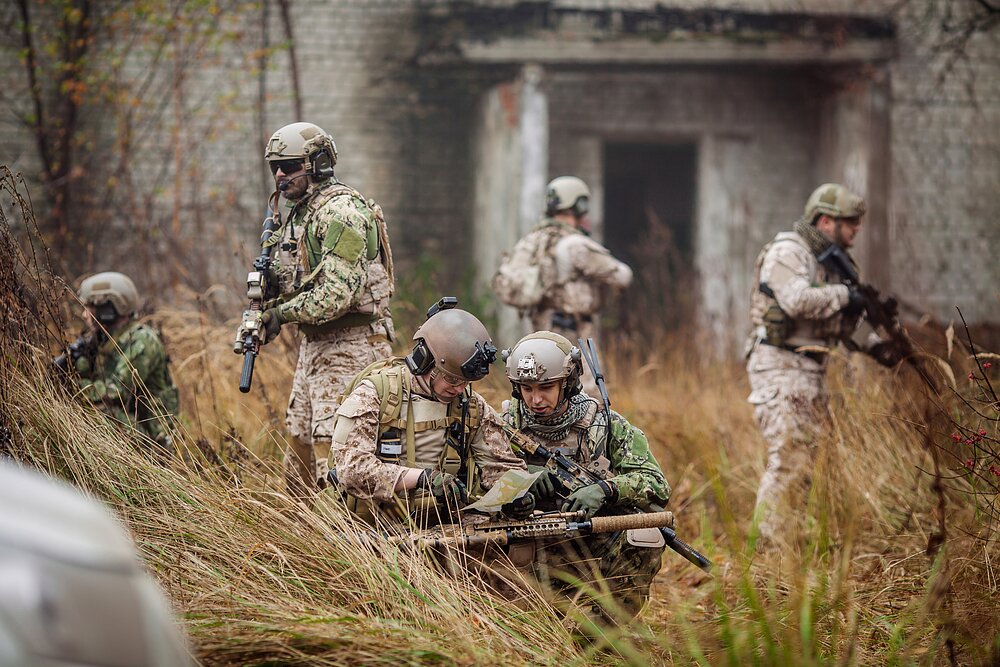
“There is currently no risk to deterrence and defence on the eastern flank,” Baltrėnas told the public broadcaster LRT Radio.
The United States has recently been adjusting its military presence across Europe. According to Baltrėnas, European NATO members are responding by accelerating defence spending and military procurement.
“There is a balance to this withdrawal,” he said. “I will not hide the fact that there are challenges and they must be addressed; we are addressing them. But at this moment, I return to the same point: there is no risk to deterrence and defence on the eastern flank.”
The The Wall Street Journal reported that the US has halted the deployment of more than 4,000 troops to Poland as part of a planned rotation, with some personnel and equipment already en route to Europe. Earlier Pentagon plans have also included the withdrawal of around 5,000 troops from Germany.
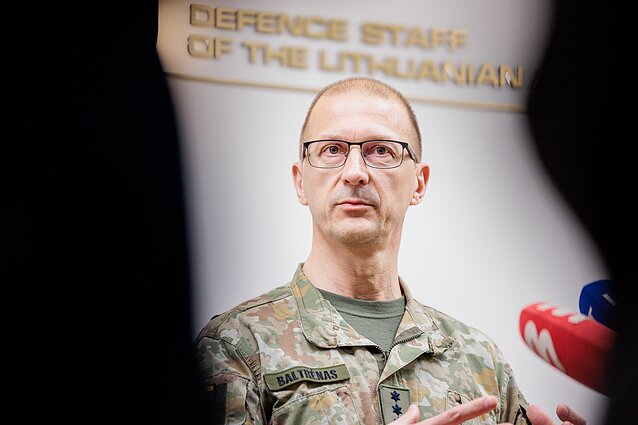
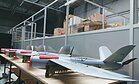
Turning to the war in Ukraine, Baltrėnas said Kyiv’s long-range strikes inside Russia are shifting the dynamics of the conflict.
“At the strategic level, we are seeing a stalemate where neither side appears to hold the initiative,” he said. “However, the Ukrainians have made significant progress with long-range strikes on Russian territory, which gives Ukraine leverage to try to turn the tide of the war.”
He said Russia is under growing internal pressure, citing economic strain, war fatigue and divisions within the political elite.
"Russia has serious internal problems and challenges, not only within the political elite – who are beginning to disagree and see that this long war has brought them massive losses – but also among Russian citizens themselves. They feel the tension, and long-range strikes from Ukraine only reinforce that tension," the NATO official said.
He added that responsibility now lay with Vladimir Putin, saying negotiations would depend on terms acceptable to both sides.
“For our part, we must continue to support Ukraine with the capabilities it requests,” he said. “That is what will allow Ukraine to sit at the negotiating table on favourable terms and negotiate some form of agreement.”

Newsletter
Every Friday morning.