














Children experimenting with and buying alcohol, pressure to drink at work, and rising addiction were defining features of Lithuania in the 1990s – trends that later led to serious problems.
After Lithuania won back independence from the Soviet Union in 1990, the country saw a sharp increase in suicides and alcohol-related deaths. In 1994, the country reached a peak of 239 alcohol-related deaths per 100,000 people – twice the European Union average at the time. Statistics show that the harm caused by alcohol was at its highest between 1994 and 2007.
Looking for the causes of the crisis, sociologists point to what they describe as an anomic situation in the 1990s – a period when old norms had collapsed, but new ones had not yet formed.
“People found themselves between two systems with different rules, and not everyone was able to adapt,” says Daumantas Stumbrys of the Lithuanian Centre for Social Sciences.
This uncertainty and insecurity particularly affected middle-aged men, who felt strong pressure to be the main breadwinners but often lacked the means to fulfil that role.
As factories closed and unemployment rose, many lost not only their income but also their social status.
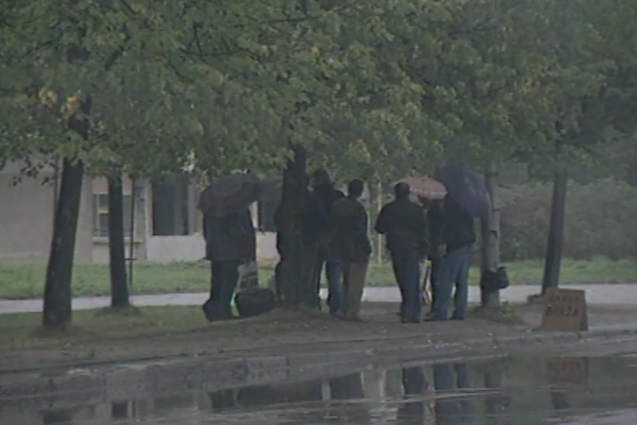
Archival reports from LRT show that in the early 1990s, cities had makeshift labour markets on the streets, where unemployed people gathered in the hope of finding day work.
“We are not degraded or drunk, but our positions have been taken by friends of friends, by people with diplomas,” one man, who had previously worked in a factory, told journalists at the time while hiding his face.
According to Stumbrys, while women who lost their jobs could take on the role of homemaker without facing social stigma, the situation for men was very different.
“Men who fail to meet the standard model of masculinity face not only financial challenges but also emotional suffering. If you are unemployed, you have nothing to boast about – especially at that time,” the sociologist says.
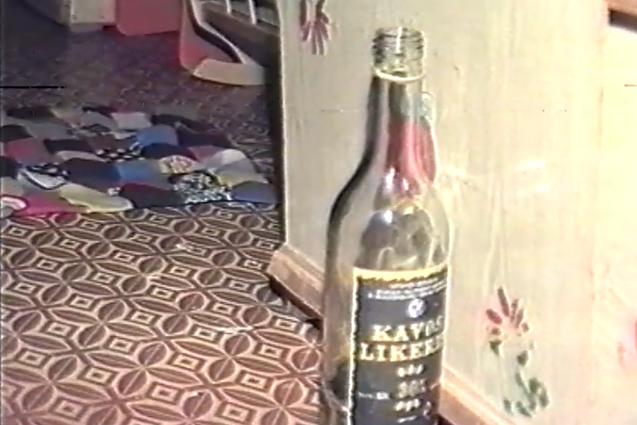
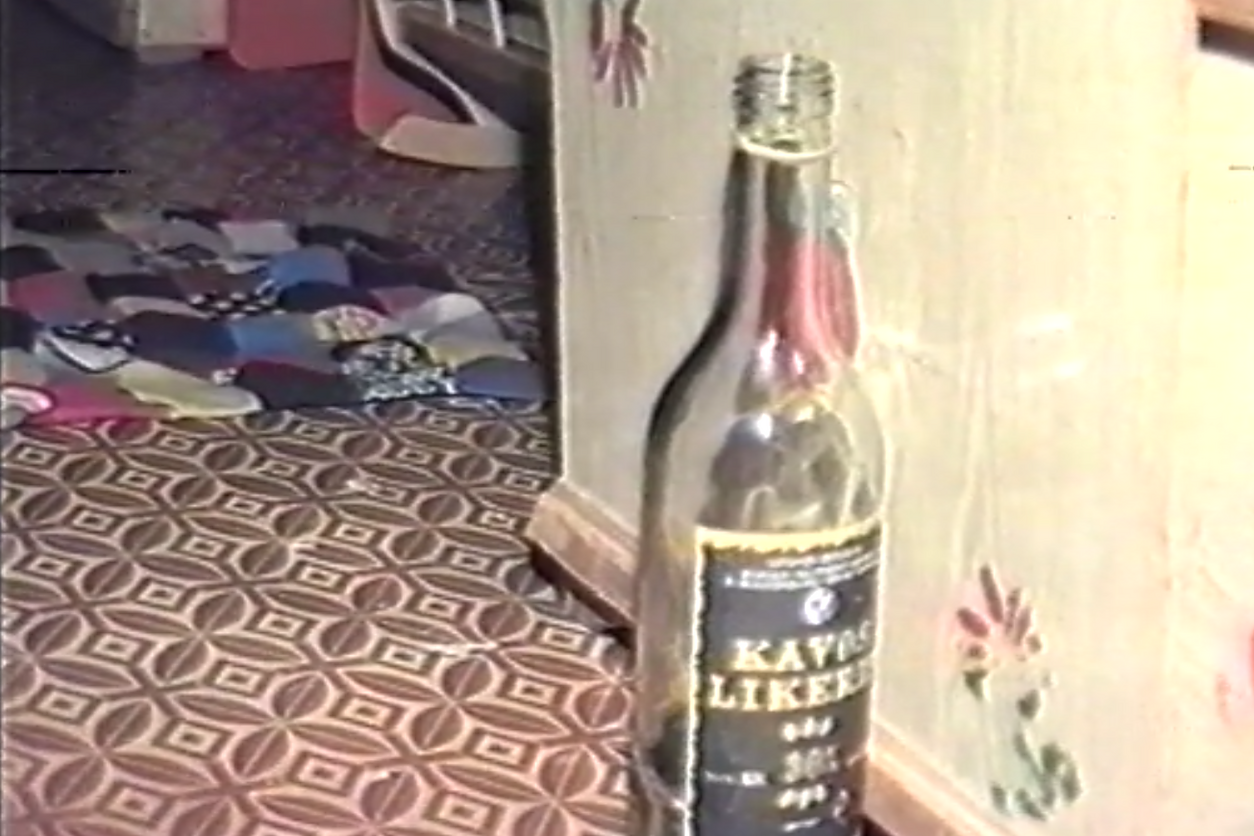
Men facing crisis often turned to alcohol. Research shows that while both men and women in Lithuania consume alcohol, men are far more likely to experience related problems.
Job loss, financial hardship and divorce are among the key triggers that lead to increased drinking and, eventually, addiction.
“Life suddenly changes. When you come home from work in the evening and drink two beers, there are no social consequences – you go back to work the next morning. When you lose your job, you might drink three or four beers, because you don’t have to get up for work the next day – or perhaps a whole bottle of spirits,” he says.
Studies also show a strong link between alcohol use and suicide. Post-mortem data indicate that many people who took their own lives were under the influence of alcohol.
Alcohol use is also associated with risky behaviour, crime, and both physical and mental health problems.
“On the one hand, people drink alcohol, and it negatively affects their mental health. On the other hand, people already have mental health problems, and alcohol becomes a kind of remedy or solution. It’s a two-way relationship,” Stumbrys says.
The researcher notes that alcohol was widely promoted in everyday life.
Advertising was liberal, alcohol featured prominently on television, and drinking with colleagues was often considered normal in many workplaces, regardless of whether the job was manual or highly skilled.
In one study, he describes a case where a worker who refused to drink with colleagues was ostracised and blamed for poor performance. Another man said he did not drink at home but regularly returned from work intoxicated.

“Alcohol is offered everywhere, all the time. If you refuse, you are seen as strange,” Stumbrys says, adding that only health reasons were generally accepted as an excuse not to drink.
Research and media archives show that even young children experimented with alcohol in the 1990s – not only teenagers, but those under 14. They either bought alcohol themselves or tried it with parents or teachers.
In 1997, it was estimated that 12% of schoolchildren could become dependent on alcohol in the future.
“This kind of culture – the normalisation of alcohol use from an early age – leads people to start drinking young, develop addiction and suffer far greater harm,” he says.
As one example of past practices, he points to so-called “children’s champagne” – soft drinks marketed to children in bottles resembling sparkling wine. Such products were banned in Lithuania in 2019.
“This is a way of teaching certain behaviours – imitating drinking as a process, even as a marker of masculinity. You are teaching a child to behave like an adult,” Stumbrys says.
Another painful issue was the impact on children growing up with parents who drank heavily – a topic frequently covered in news reports at the time. Statistics suggest a large proportion of Lithuanians may have been affected by alcohol use in their environment.
According to Stumbrys, exposure to irresponsible drinking among adults is harmful to children and may push them towards alcohol use themselves. More recently, protection orders against domestic violence have been introduced, which can help safeguard such families.
“In my view, we still do not talk enough about this publicly, even though the harm experienced by those around drinkers at the time continues today. In public discourse, alcohol is still often framed as only the drinker’s health problem,” he says.

Stricter laws and the end of sobering-up stations
Alcohol became an easily accessible way to cope with stress, and over time, Lithuania became one of the highest-consuming countries in Europe, with levels only beginning to fall in recent years.
Speaking about the early years of independence, Stumbrys says alcohol became more accessible in a free-market economy, with a more liberalised market. Policymakers tried various control measures, including the introduction of an alcohol control law in 1995.
“It was relatively liberal, but since 2007, we have been moving in a completely different direction,” he says.
For a time in the 1990s, Soviet-era practices such as compulsory treatment for alcoholism remained in place. In some cases, it was used as a punishment for people who had committed crimes.
Stumbrys is critical of such approaches.
“A person is sobered up for a month or two. Yes, the family gets a break from someone whose behaviour harms others, but it does not solve the problem,” he says.

Newsletter
Every Friday morning.