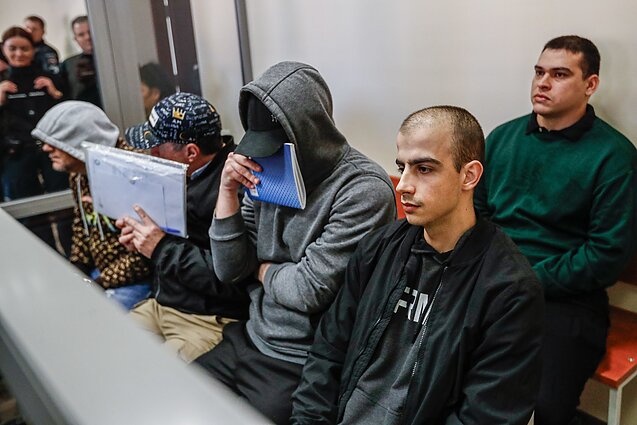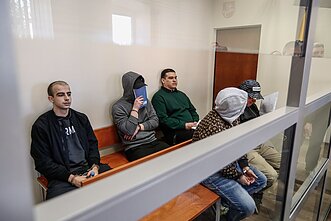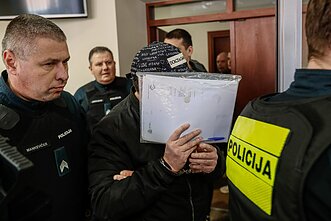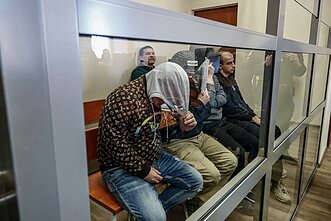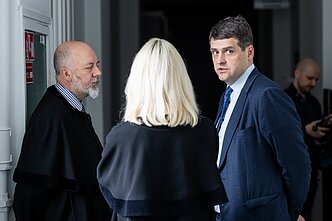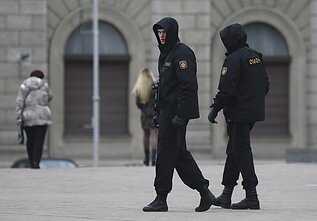













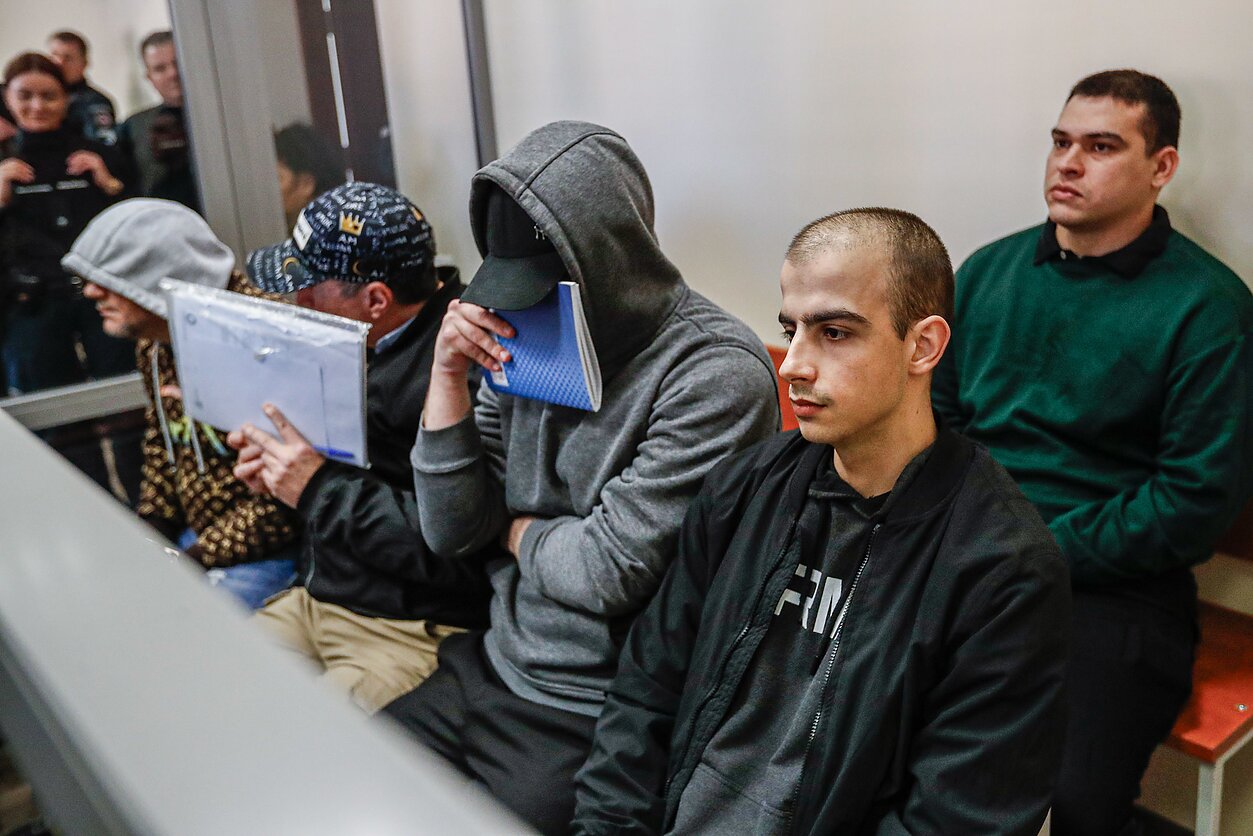
A court in the northern Lithuanian city of Šiauliai has begun hearing a terrorism case against six foreign nationals accused of plotting to set fire to military equipment destined for Ukraine.
The trial opened on Thursday as prosecutor Tomas Uldukis read the indictment. None of the six defendants – citizens of Belarus, Colombia, Spain, Cuba and Russia – have admitted guilt. All attended the hearing in person.
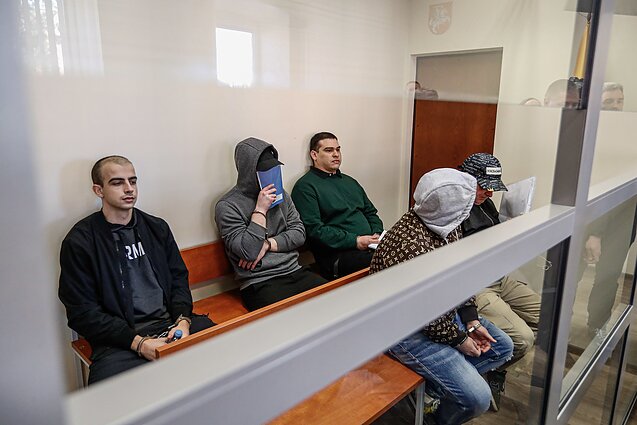
The next hearing, scheduled for May, will begin the questioning of ten witnesses. The proceedings are being conducted behind closed doors to protect official and commercial secrets, with some witnesses expected to be granted anonymity.
According to the indictment, the group made two arson attempts in September 2024 against the premises of Šiauliai-based firm TVC Solutions, which manufactures mobile radio spectrum analysis stations for the Ukrainian armed forces. The equipment, valued at up to €1.5 million, was targeted on the nights of September 17 and 22.
During the first attempt, two suspects brought incendiary materials to the site but fled when passers-by appeared. They were detained in Riga the same day in a joint Lithuanian-Latvian operation and transferred to Lithuania.
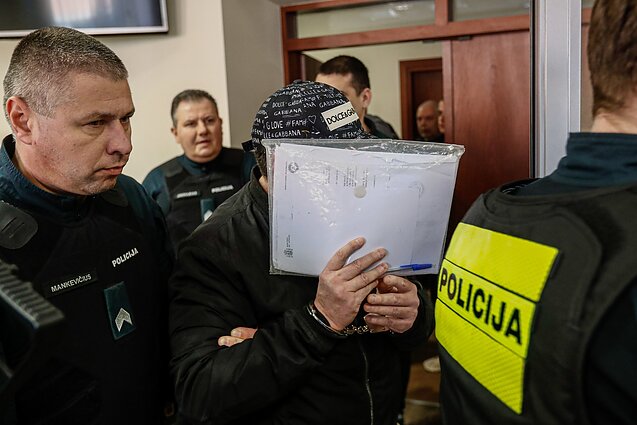
During the second attempt, a Russian and a Belarusian national believed they had succeeded – but investigators established that no damage was caused, as the materials failed to ignite the equipment.
A Cuban national who arrived the following day, allegedly to assess the damage, was arrested before leaving the country. A Colombian intermediary suspected of handling finances was extradited from Spain in May 2025. Four further suspects remain under investigation.
Investigators believe the operation was directed by Russia's GRU military intelligence.
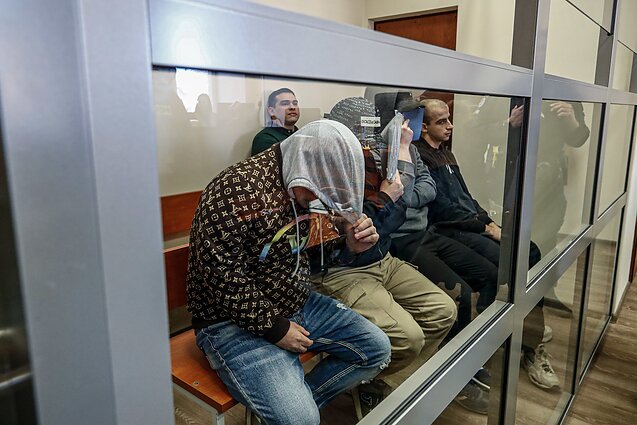
The maximum sentence under Lithuanian law for participation in a terrorist organisation is fifteen years in prison.
The case is one of several in the Baltic states and wider Europe in which individuals have been charged in connection with alleged Russian-directed sabotage operations since Moscow's full-scale invasion of Ukraine in 2022.
The initial hearing, scheduled for April 1, was postponed after it emerged that the indictment had not yet been translated into Spanish and Russian for the defendants.

Newsletter
Every Friday morning.