













Flooding is expected in Lithuania in the coming weeks, with the highest risk in Kaunas and Kėdainiai, the head of the National Crisis Management Centre said Wednesday.
“The flood could start in one to two weeks,” Vilmantas Vitkauskas, head of the National Crisis Management Centre, told BNS after a government meeting.
Vitkauskas said emergency services are prepared to respond and that an action plan is in place. Ground frost has reached its peak, he added, increasing the likelihood of rapid snowmelt runoff.
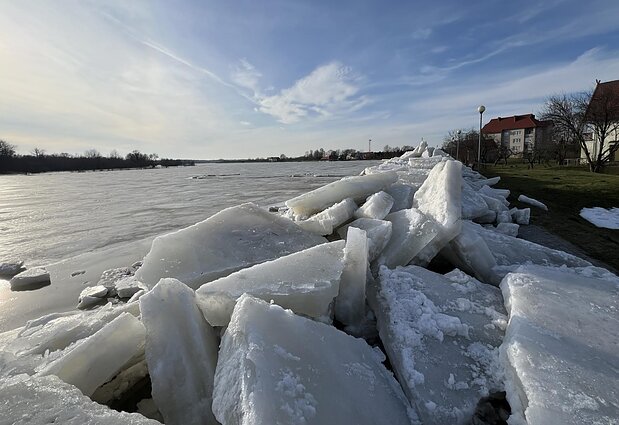
The greatest risk is in Kaunas and Kėdainiai. The most dangerous river is the Neris River, where ice jams could form in eight to 10 locations, potentially causing a sharp rise in water levels. The Nemunas River poses the second-highest risk, with swelling waters threatening coastal lowlands.
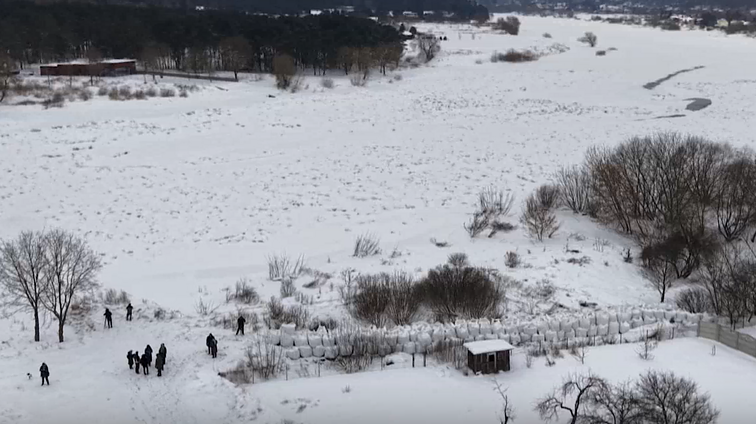
The Šventoji River and the Nevėžis River also present flood risks.
Decisions on blasting ice jams will be made on a case-by-case basis, Vitkauskas said, adding that the military stands ready to assist if needed.
Renatas Požėla, director of the Fire and Rescue Department, said authorities are prioritising preventive measures, including safe ice breaking, regulating water flows and preparing protective equipment.
Officials are also prepared to conduct rescue, evacuation, and water removal operations.

“Our service is already prepared to deploy vehicles capable of crossing water up to one and a half metres deep where roads become impassable for passenger vehicles,” Požėla said. “This allows us to ensure logistics and rapidly deploy emergency services, such as medics, to hard-to-reach areas and evacuate people.”
If roads become completely impassable or water levels rise further, authorities plan to use motorboats and other vessels.
Fire and rescue equipment has been pre-positioned in strategic locations including Šilutė, Pagėgiai and Klaipėda to minimize response times. Additional boats have been readied at other units in case flooding spreads.
In Kaunas, officials have prepared a sandbag-filling machine capable of filling four bags per minute as part of flood preparations.

Newsletter
Every Friday morning.