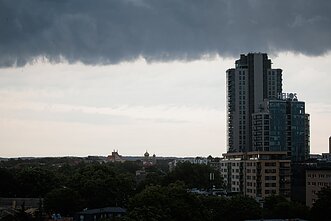














As Lithuania’s capital continues to grow, more residents are choosing to leave the city for nearby districts, drawn by lower housing costs and the flexibility of remote work.
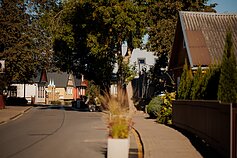
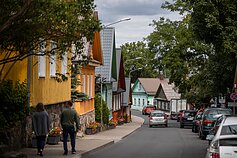
Last year, most people moving out of Vilnius registered their new residence in the two adjacent districts: Vilnius District, which lies to the north, east, and south of Vilnius City proper, and Trakai District to the west, according to municipal and registry data.
The Trakai District Municipality was the second most popular destination for former Vilnius residents, with more than 750 people registering there in 2024.
“The increase has been observed for five consecutive years,” Trakai District Mayor Andrius Šatevičius said. “Each year growth ranges between 10% and 17%. We can probably say there will be growth next year as well, as building permits have already been issued.”
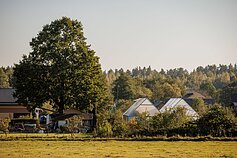
Vilnius District attracted the largest number of new residents from the capital, with more than 5,000 people registering there last year. The fastest-growing areas are those closest to the city, including Riešė, Avižieniai and Nemėžis.
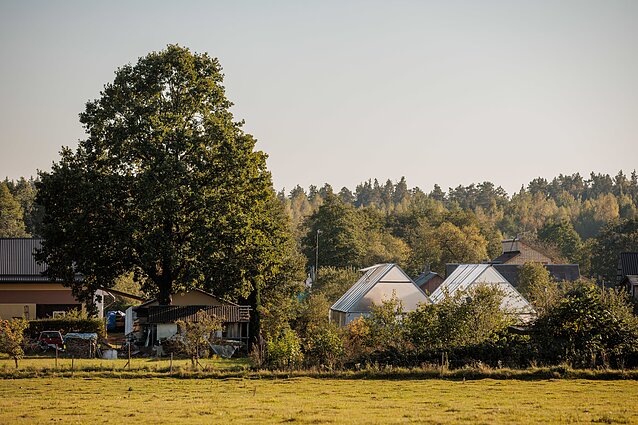
“People want to live near the city so they can come to work and enjoy the entertainment it offers, while also choosing nature, fresher air or a private house,” said Robert Duchnevič, the district’s mayor.
Data from the Centre of Registres show that between 2016 and 2020, up to 9,000 people per year declared their residence in another municipality or moved abroad. In recent years, that number has risen to about 12,000 annually.
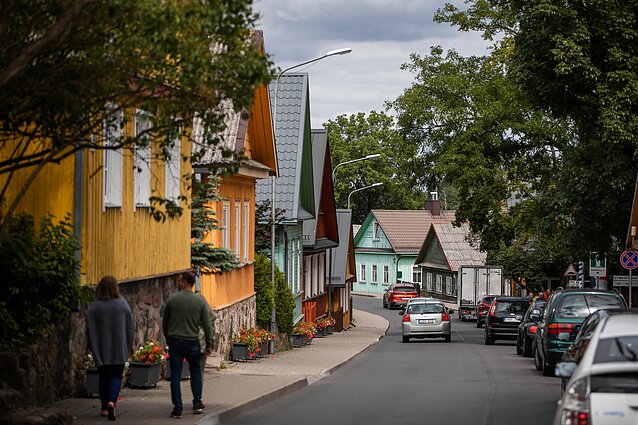
However, Vilnius city officials say the trend is not harmful to the capital’s growth.
“People most likely moved to sleep in neighbouring districts, but they work, study and probably spend most of their lives in the city,” said Julius Lukošius, a representative of Vilnius City Municipality.
Economist Greta Ilekytė said the trend of moving to the regions gained momentum after the Covid-19 pandemic, when many began reassessing their living conditions.
“After being locked in apartments between four walls, people decided they might need a second home or a larger home,” she said. In some counties, including Utena County, the number of residents aged 30 to 39 has increased by one-third over the past five years.

Analysts predict that more people will leave Vilnius and other major cities. Compared with other Baltic capitals, housing in Vilnius is the least affordable.
“A family earning average income in Vilnius can afford only a 64-square-meter apartment. That is quite small. As a result, residents may look for opportunities to live better and more comfortably elsewhere,” Ilekytė said.
Among the most popular destinations for former Vilnius residents are also Kaunas, Šiauliai and Klaipėda.

Newsletter
Every Friday morning.