











Soaring heating bills are straining churches across Lithuania, with some considering closing their doors during the cold season and others holding Mass in subzero temperatures. Clergy say the situation has been worsened by the loss of personal income tax support previously allocated to religious communities.
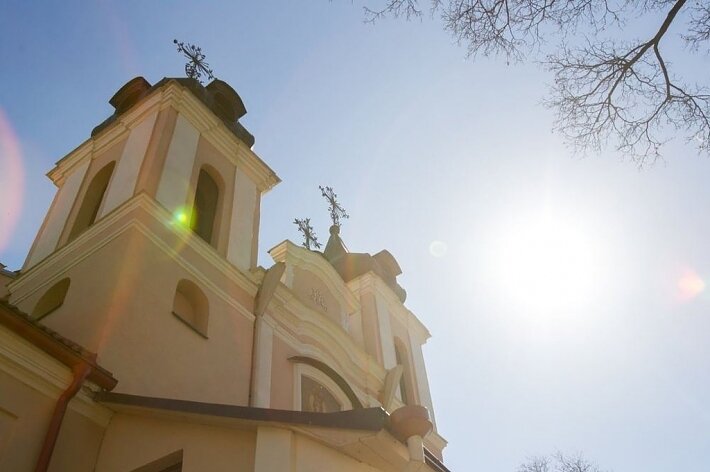
At the Krekenava Basilica of the Assumption of the Blessed Virgin Mary, the indoor temperature has hovered around 6 degrees Celsius, including throughout January. The heating bill for that level of warmth exceeded 4,000 euros, not including other utility costs.
Parish priest Gediminas Jankūnas said the parish will have to dip into savings, as donations collected over the past two months would not cover even half the bill.
“The Feast of the Assumption indulgence celebrations saved us, when many people came and donated to the church. I set those funds aside for winter,” Jankūnas said. “The donations we’ve collected now would not cover even half the amount. The situation is such that we will have to scale back. Some churches will likely close during the cold period, and people will travel to warmer ones or move to smaller premises.”

At the Kupiškis Church of the Ascension of Christ, services have not been held regularly in recent weeks. Temperatures inside the church have dropped to -9 C. The 1,500-square-metre building has no central heating system, and there are no plans to install one.
“The only heating we have is near the altar – infrared lamps just to prevent the water from freezing during Mass,” parish priest Mindaugas Šakinis said. “I doubt our church could bear those heating costs. The church is huge for a town of this size; to heat it entirely would probably be a luxury.”
Even in Utena, where heating prices are among the lowest in the country, churches face bills in the thousands of euros. The Divine Providence church is expected to pay more than 3,300 euros for heating in January, with a similar amount forecast for February.
Parish priest Remigijus Kavaliauskas said churches previously relied on allocations from residents’ personal income tax contributions – 1.2% of income tax that could be directed to nonprofit organisations, including religious communities. Since that support was discontinued, he said, it has become difficult to make ends meet.

“We used to receive roughly the same amount as our current heating bill – sometimes even more, between 4,000 and 5,000 euros – from the 1.2% support,” Kavaliauskas said. “Now we no longer receive it. That support was especially important for rural churches. At the moment, only a few village churches even have heating.”
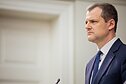
Linas Vodopjanovas, bishop of Panevėžys, said that without the tax support and with fewer parishioners attending and donating during cold spells, churches are struggling to survive. He urged parishioners to contribute according to their means, either by bank transfer or in person at parish offices.
“It is a very difficult time for everyone. In some places, heating bills have doubled or tripled, support is gone, and donations are very low because people themselves are facing large bills,” Vodopjanovas said. “We are grateful to those who contribute in this difficult time.”
The programme where people can allocate up to 1.2% of their personal income tax – which would otherwise go to government coffers – to NGOs initially allowed churches and publicly-funded institutions, such as kindergartens and schools, to access the funds. However, lawmakers later amended the law to exclude them, arguing they were not the intended beneficiaries of the measure aimed at supporting civil society.
However, now lawmakers in the Lithuanian parliament have begun considering reversing the exclusion.

Newsletter
Every Friday morning.