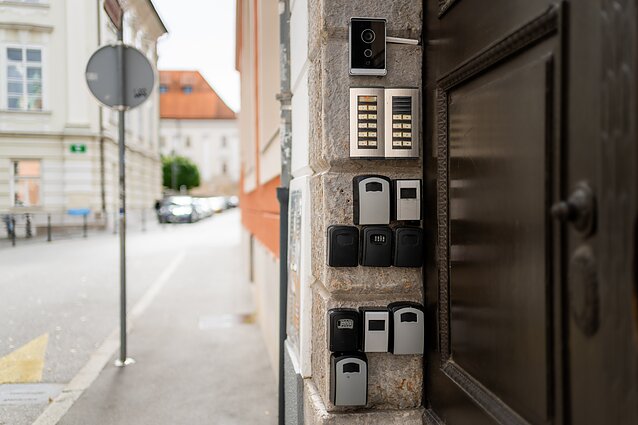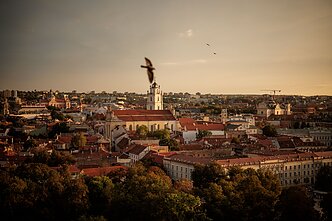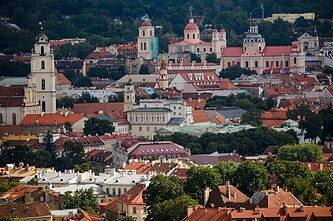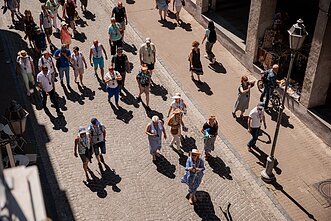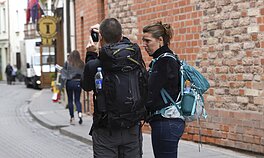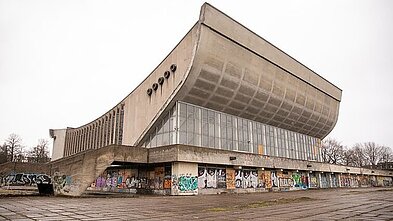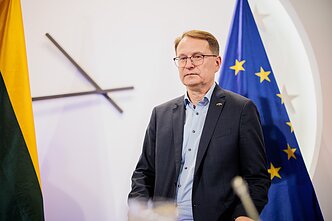















Vilnius is home to about 1,500 short-term rental properties, most of which cater to tourists, and their number continues to grow each year. But fines issued to some property owners for operating in residential premises have exposed legal grey areas, prompting the Environment Ministry to initiate changes to existing regulations.
Ignas Vanagas, founder of the apartment rental brand The Joseph, has operated short-term rentals in a residential building in central Vilnius for eight years and says he has hosted tens of thousands of guests. Despite holding a permit to provide accommodation services, he was fined by the municipality.
“The municipality fined us 350 euros for providing these services not in hotel-designated premises but in residential or administrative ones,” Vanagas said.
Vilnius city officials say the case is not unusual and inspections are carried out whenever potential violations are reported. In this instance, complaints were filed by residents of the building.
“Under current legislation, short-term accommodation services cannot be provided in residential premises, apartments or multi-unit buildings,” said Stasė Kvederienė, head of the Housing Administration Division at Vilnius municipality.

Officials from national ministries say holding a license alone does not exempt operators from other legal requirements.
“Currently, people obtain permits for short-term rentals but do not take into account other laws that restrict where such activities can be carried out,” said Guoda Burokienė, vice minister of economy. “Short-term rentals are allowed in rural areas, single homesteads and four-unit buildings, but this regulation no longer reflects reality and is being revised.”
Edvardas Minkevičius, a senior adviser at the Environment Ministry, said licensing institutions historically did not verify whether a building’s designated purpose matched the activity being licensed.

To continue operating legally under current rules, owners would need to change the designated use of their premises from residential to hotel, a process Vanagas says is often impossible.
“To qualify as hotel premises, you need a separate entrance from the street and specific corridor widths,” he said. “That might be feasible in new developments, but certainly not in Vilnius Old Town. You cannot create separate entrances for every apartment, and there are heritage facade restrictions. These requirements are excessive and unrealistic.”

The Environment Ministry has proposed amendments that would explicitly allow short-term accommodation services in residential premises.
“A draft government resolution is being prepared that would introduce an exception allowing short-term accommodation activities in residential buildings and residential premises,” Minkevičius said.
The ministry expects the changes to take effect later this year.
According to official figures, Vilnius has about 1,500 short-term accommodation units, compared with around 650 in Kaunas and about 1,000 in the resort town of Palanga. The State Tax Inspectorate says the number of individuals providing accommodation services increases every year.

Newsletter
Every Friday morning.