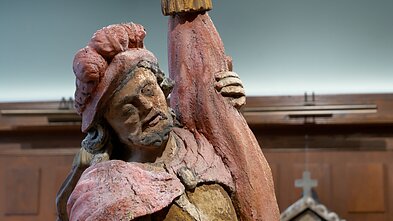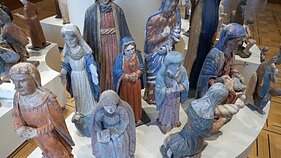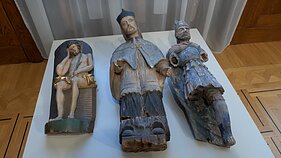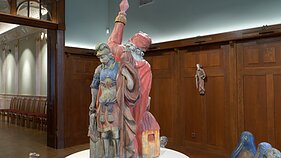










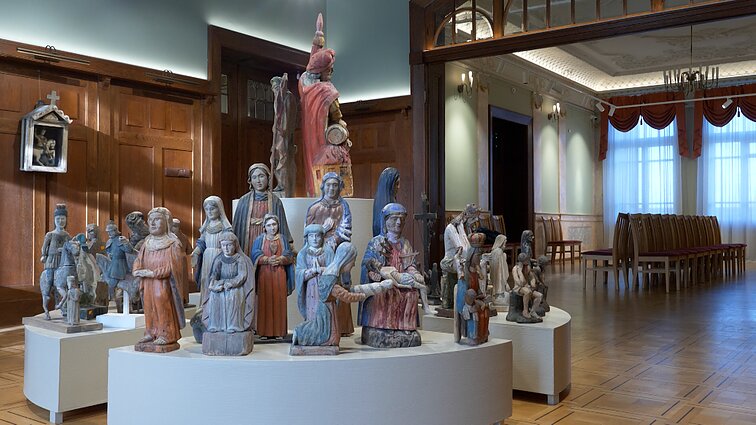
The Šiauliai Aušra Museum is presenting a rare and highly valuable collection of saint sculptures that it hopes to acquire from a private collector to expand its holdings.
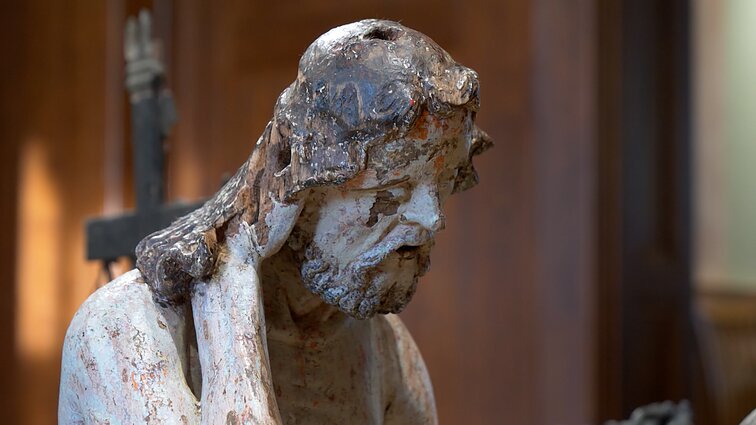
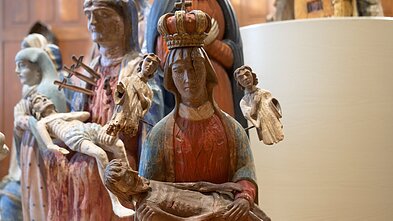
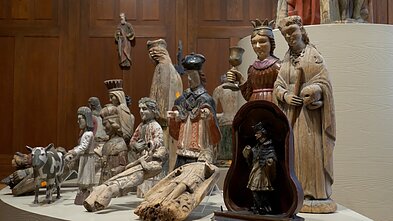
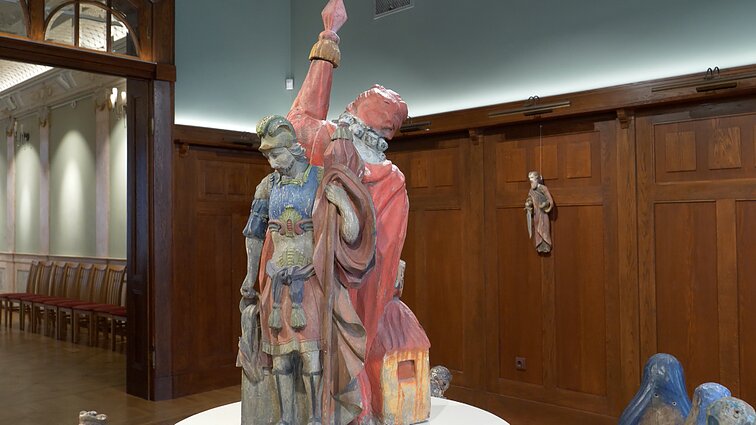
The sculptural compositions are on display at the Chaim Frenkel Villa in Šiauliai. Some of the works are believed to be 200 to 300 years old.
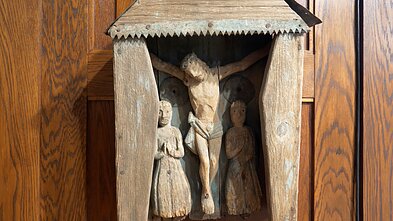
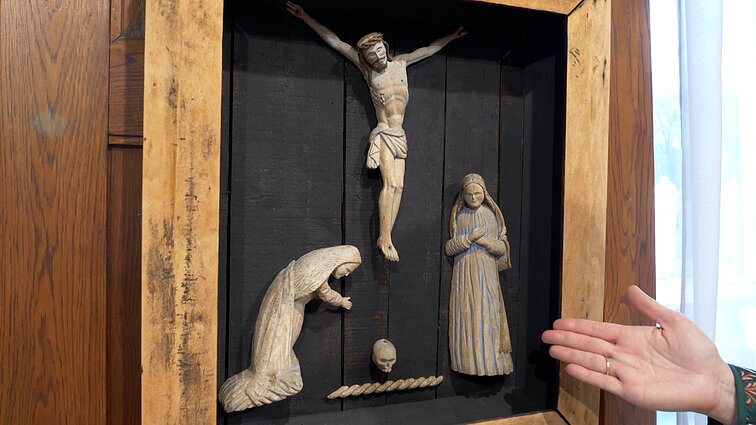
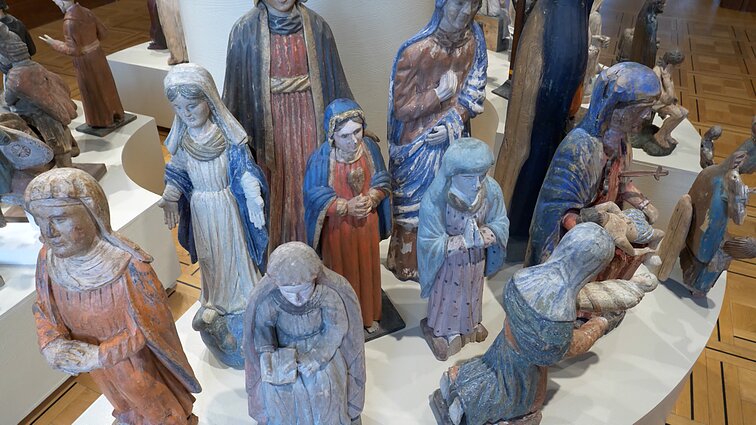
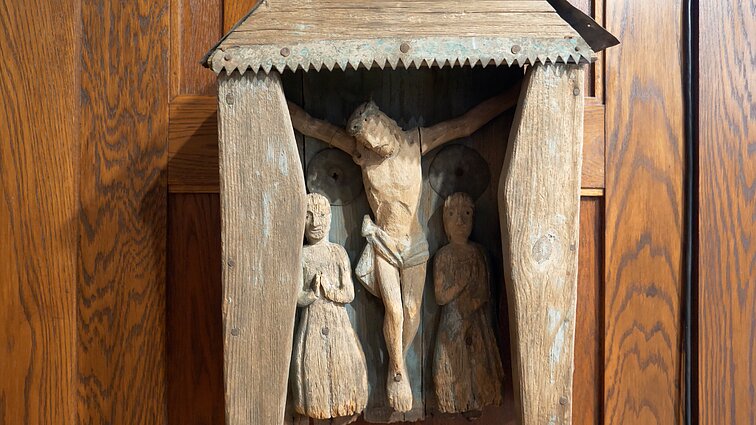
“Here we have the Nativity of Christ, the oldest sculpture, dating to the second half of the 18th century, and a chapel with a crucifixion scene,” said Odeta Stripinienė, head of the museum’s Art Department. “On one side there is the Virgin Mary, and on the other Mary Magdalene. Magdalene is most often depicted in sculpture and painting with a skull.”
Most of the works in the collection reflect the Samogitia region, though several sculptures originate from the Kaunas district.
“Cross-crafting and the creation of saints were most widespread in Samogitia. It is no coincidence that cross-crafting was inscribed in 2001 on UNESCO’s list of Masterpieces of the Oral and Intangible Heritage of Humanity,” Stripinienė said.
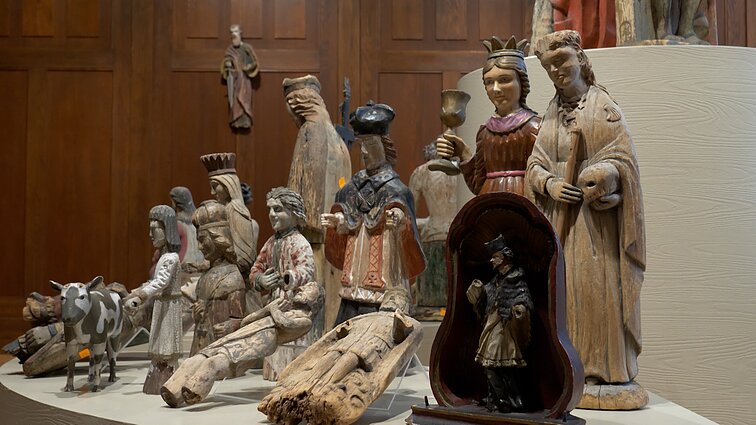
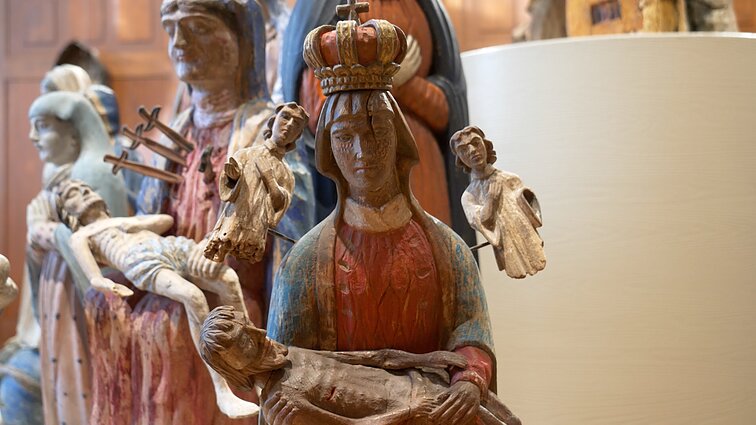
The authors of the sculptures are unknown. According to museum representatives, they were most likely self-taught villagers, folk craftsmen.
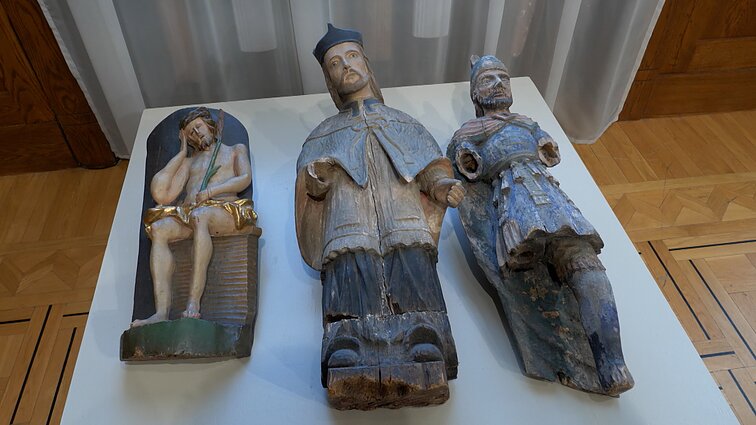
“These works reveal the understanding, faith and artistic outlook of people from a particular region,” Stripinienė said. “The sculptures were placed in homes, along roadsides and in town squares. Each saint was a patron of a certain sphere. St. Florian, for example, protected against fire and was therefore always placed in town squares.”
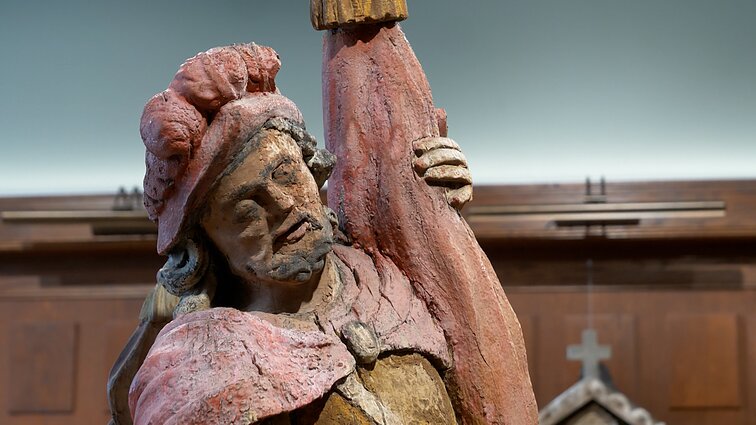
The exhibition is unusual in that it belongs to a single private collector, who has offered to sell it to the museum. Aušra Museum Director Raimundas Balza said the collection of about 60 sculptural compositions was assembled over roughly 30 years.
“It is a valuable collection, because collections of this size are rarely offered,” Balza said. “I believe this represents a disappearing episode of our cross-crafting tradition, as there are now very few masters who carve and produce such sculptures.”
The museum acquires artworks every year, but limited funding allows it to purchase only a small share of valuable items offered at auctions. In the future, acquisitions could become even more difficult if funding for the cultural sector declines further.
“Funding-related issues cause us concern,” Balza said. “To fulfil one of the museum’s core functions – collecting exhibits – we must constantly acquire and seek out items on various themes as they appear in Lithuania and abroad. We believe this funding should not decrease, but increase.”
The Aušra Museum currently holds about 2,000 saint sculptures, paintings and cross-sculpting works created by craftsmen from various regions in its collections.

Newsletter
Every Friday morning.